Daftar Isi
Trump Says Exxon and Chevron Are Profiting Too Much From Oil Prices
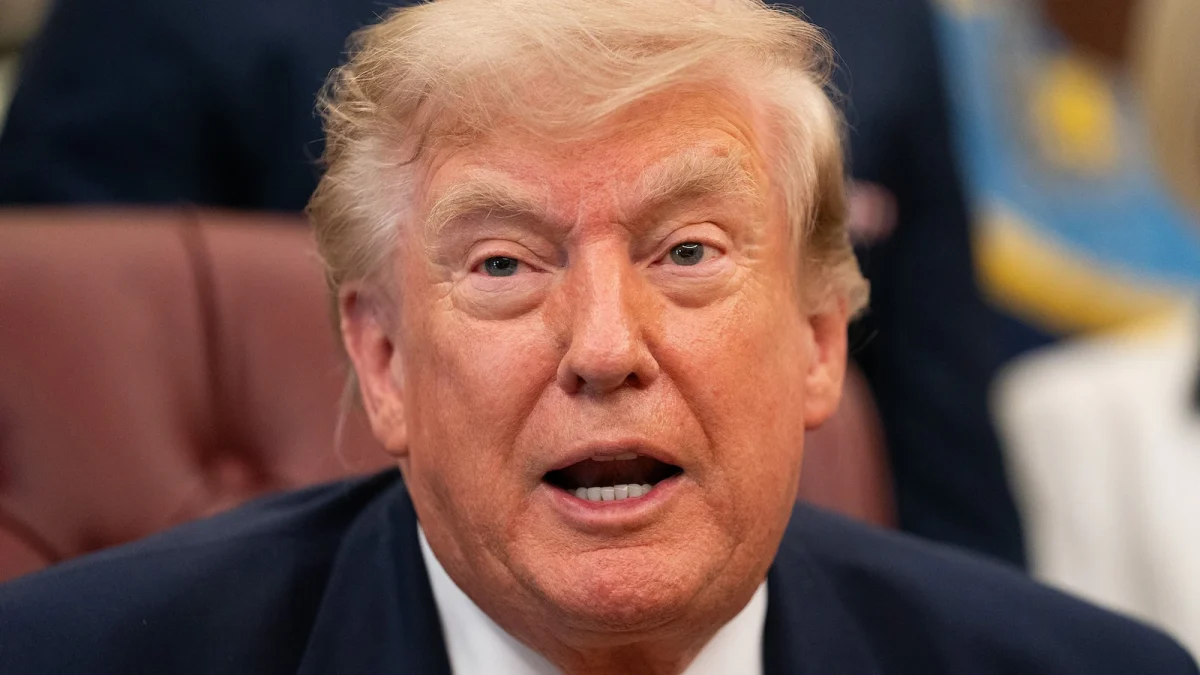
Tyunews.com – President Donald Trump has publicly criticized two major energy companies, stating that Exxon and Chevron are earning excessive profits as oil prices surge amid the ongoing Iran conflict. Speaking to reporters in the Oval Office on Monday, the president declared that the Texas-based firms are “making too much money” and urged them to reduce retail fuel costs for American consumers.
“[It’s] too much money. You’re surprised? I’m saying it. I’ll say it loud and clear,” Trump emphasized during his remarks. The president’s comments come as both companies report record-breaking earnings driven by elevated petroleum prices.
Record Earnings Amid Rising Fuel Costs
The Iran war, which commenced with coordinated attacks on February 28 by the United States and Israel, created a significant oil shortage that pushed petroleum prices to historic highs. Motorists have felt the impact at the pump, while energy corporations have reaped substantial financial rewards.
Chevron announced profits of $12 billion for the three-month period ending in June, representing a remarkable increase of nearly 400 percent compared to the same timeframe last year. Exxon reported even stronger results, with quarterly earnings reaching $14.5 billion—more than double its performance from the previous year’s corresponding quarter.
When asked about the president’s criticism, both Exxon and Chevron chose not to provide immediate responses to ABC News. However, company executives have acknowledged the favorable market conditions in their recent financial disclosures.
“Markets were supportive, but our performance reflected the strength of the portfolio and operating model we have built over many years,” said Darren Woods, Exxon’s chairman and CEO. “As conditions changed, we moved products where they were needed, optimized assets, and supported customers, leveraging our global integrated portfolio.”
Chevron’s leadership similarly highlighted the company’s resilience. “Chevron’s people remain focused on safely delivering reliable energy the world needs,” CEO Mike Wirth stated in the company’s latest earnings report. He credited disciplined investment and strong execution for driving record U.S. upstream production and exceptional reliability across key assets.
Oil Markets React to Geopolitical Developments
The conflict prompted Iran to effectively close the Strait of Hormuz, a vital shipping corridor that handles approximately one-fifth of worldwide oil supply. Brent crude futures climbed more than 60 percent above pre-war levels by late March, peaking at $119 per barrel. Prices subsequently retreated to $86 per barrel in mid-April following an Iranian official’s announcement that the strait had reopened.
Global oil prices have continued fluctuating in response to intermittent hostilities and White House indications that peace may be imminent. As of Tuesday afternoon, crude stood at $79.40 per barrel after Treasury Secretary Scott Bessent suggested a deal to reopen the Strait could materialize soon.
The average U.S. gasoline price currently reaches $4.08 per gallon, according to AAA data—a nearly 37 percent increase since the Iran war began. Oil costs represent a significant component of retail fuel pricing.
Frequently Asked Questions
Why are oil prices so high right now?
Oil prices have surged primarily due to the Iran war and the resulting closure of the Strait of Hormuz, which disrupted global oil supply chains and created shortages that pushed prices upward.
How much profit did Exxon and Chevron make?
Chevron earned $12 billion in profits over three months ending in June, while Exxon reported $14.5 billion in quarterly profits, both representing significant increases from the previous year.
What is Trump asking the oil companies to do?
President Trump has urged Exxon and Chevron to lower retail fuel prices, arguing that the companies are charging consumers too much during the wartime price surge.
Where are oil prices heading next?
Oil prices have remained elevated overall despite recent declines. Treasury Secretary Scott Bessent indicated that a deal to fully reopen the Strait of Hormuz could be announced soon, which may further reduce prices.