Trump Signs Executive Orders That Reshape Birthright Citizenship Policy
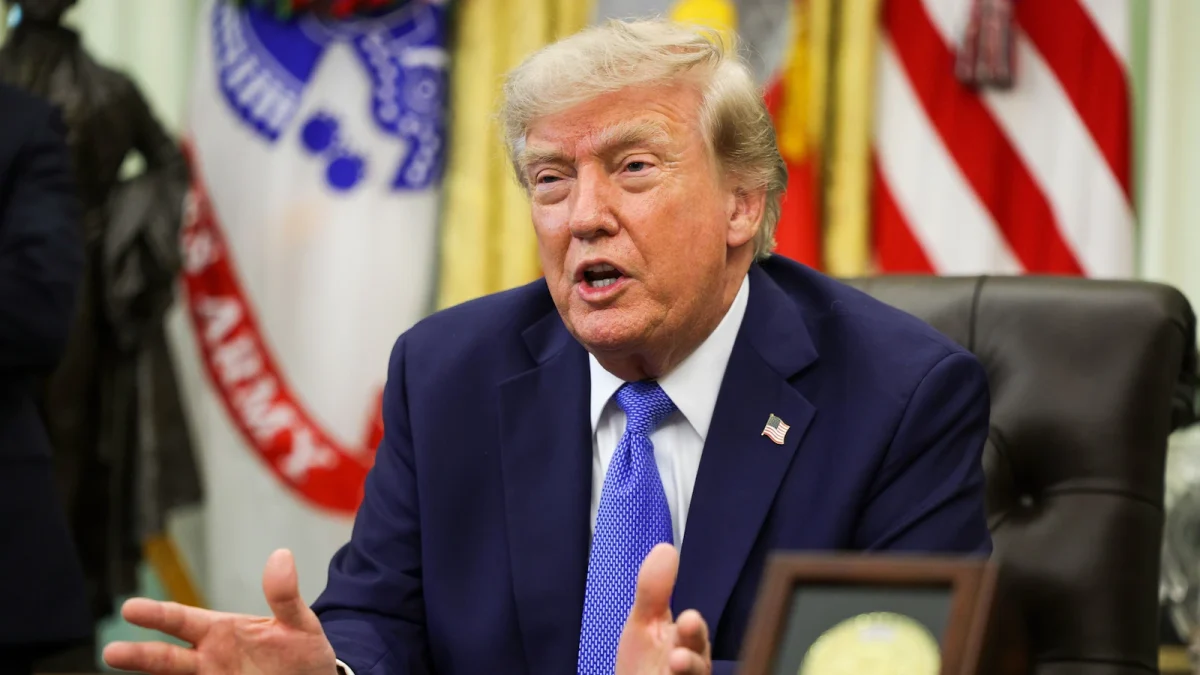
Tyunews.com – Trump signs executive orders that mark a significant shift in immigration policy as President Donald Trump on Thursday formally signed multiple executive orders targeting birthright citizenship. These landmark directives include measures designed to ban what the administration characterizes as “birth tourism,” a practice where foreign nationals travel to the United States specifically to give birth so their children can acquire American citizenship. This developing story continues to evolve as legal challenges and implementation details emerge. Please check back for updates as this policy transformation unfolds.
Understanding the Executive Orders and Their Scope
The executive orders signed by President Trump address long-standing debates about the interpretation of the 14th Amendment and its guarantee of citizenship to those born on American soil. Under the current legal framework, any child born within U.S. territory automatically becomes a citizen regardless of their parents’ immigration status. The new directives aim to modify this interpretation through administrative action rather than constitutional amendment.
One of the key components focuses on curbing what officials describe as an influx of foreign visitors seeking to utilize American hospitals for childbirth. These individuals, often referred to as birth tourists, travel from countries with limited healthcare access or restrictive citizenship laws to take advantage of the automatic citizenship provision. The administration argues this practice places unnecessary strain on public resources and creates opportunities for what they characterize as exploitation of the system.
The orders also establish new guidelines for federal agencies to review and potentially restrict certain benefits and services for children born to non-citizen parents under the modified interpretation. This represents a comprehensive approach that extends beyond simple policy changes to include enforcement mechanisms and interagency coordination.
Legal and Political Implications
Legal experts anticipate that these executive orders will face immediate challenges in federal courts. Critics argue that the President cannot unilaterally alter the meaning of the 14th Amendment through executive action, as constitutional interpretation ultimately rests with the judiciary. Supporters counter that the administration has the authority to direct how federal agencies implement and enforce existing constitutional provisions.
The political ramifications extend beyond the immediate legal battles. These orders reflect a broader immigration agenda that has been central to the current administration’s platform. They also signal potential changes to how the federal government approaches questions of nationality, residency, and the rights of individuals born within American borders.
“These executive orders represent a fundamental rethinking of how we approach citizenship for those born on American soil,” administration officials stated during the signing ceremony.
What This Means for Families and Communities
For immigrant families, particularly those from countries with high rates of birth tourism, these changes could significantly impact their future plans. The new policies may affect access to certain federal programs, educational benefits, and social services for children whose parents’ status falls under the revised interpretation.
Communities with large immigrant populations will likely see the most immediate effects as federal agencies begin implementing the new guidelines. Local governments may need to adjust their own policies to align with federal directives, creating a cascading effect throughout the system.
The timeline for full implementation remains uncertain, as various agencies work to develop detailed regulations and procedures. Some provisions may take effect immediately, while others could require months or even years to fully materialize depending on legal challenges and administrative processes.
Frequently Asked Questions
What is birthright citizenship? Birthright citizenship is the principle that anyone born within the territorial boundaries of the United States automatically becomes a U.S. citizen, regardless of their parents’ nationality or immigration status. This principle is rooted in the 14th Amendment to the Constitution.
What is birth tourism? Birth tourism refers to the practice where foreign nationals travel to the United States specifically to give birth in American hospitals. The primary motivation is to secure U.S. citizenship for their children through birthright provisions.
How will these executive orders be enforced? Federal agencies will develop new guidelines and procedures to implement the changes. This includes reviewing existing policies, updating regulations, and coordinating with state and local authorities to ensure consistent application across the country.
What legal challenges can be expected? Civil rights organizations and legal experts anticipate immediate lawsuits challenging the constitutionality of the executive orders. Courts will need to determine whether the President has the authority to modify the interpretation of the 14th Amendment through executive action.
When will these changes take effect? Some provisions may begin implementation immediately, while others will follow as agencies develop detailed regulations. The full timeline depends on legal proceedings and administrative processes.