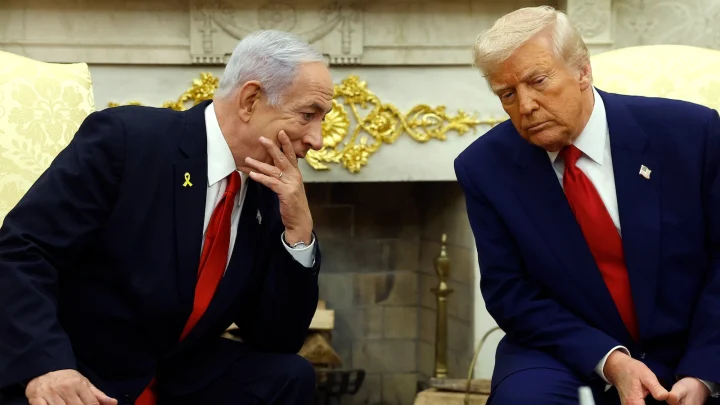
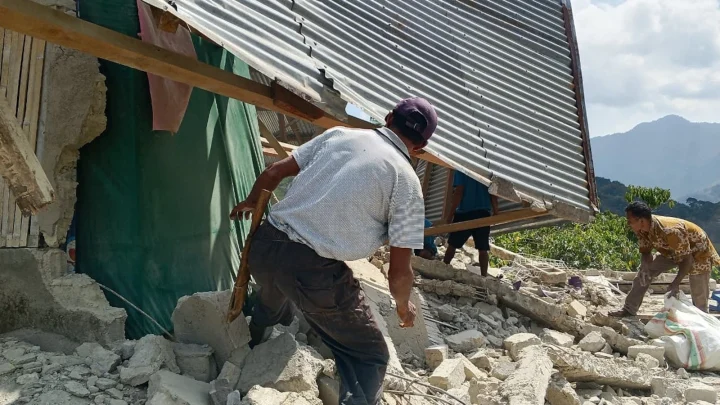
Iran live updates: US forces strike 2 Iranian rocket launch sites

Daftar Isi
U.S. and Iran Trade Strikes Even as Negotiations Take Shape
Tyunews.com – The Middle East’s most volatile corridor has once again become the stage for a direct confrontation between Washington and Tehran. What began as a coordinated military campaign launched in late February has evolved into a prolonged exchange of firepower, with both sides continuing to hit targets even as their diplomats sit across a table attempting to draft a framework for peace. The result is a region caught between the thunder of rockets and the quiet mechanics of back-channel diplomacy.
The February Escalation
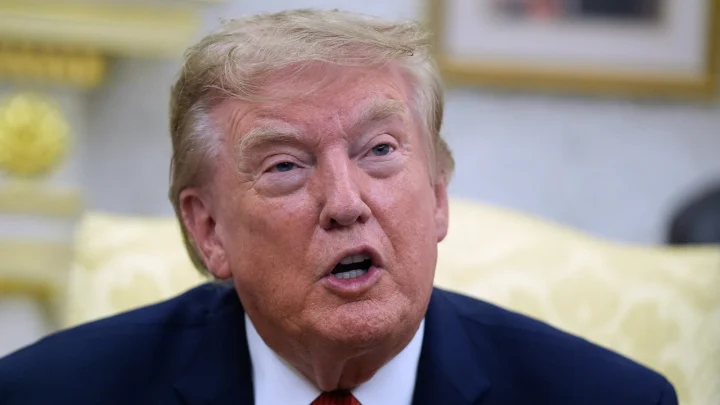
On February 28, President Donald Trump declared the start of what he termed “major combat operations” directed at Iran. The announcement marked a sharp escalation in a rivalry that has simmered for decades. In the hours and days that followed, American and Israeli forces carried out large-scale joint strikes aimed at a broad spectrum of Iranian targets: military installations, government buildings, and critical infrastructure nodes. The scope of the campaign signaled that the objective was not a single tactical objective but a sustained pressure campaign designed to degrade Iran’s capacity to project force and to govern.
“Major combat operations” — President Donald Trump, announcing the campaign on February 28.
The pairing of U.S. and Israeli airpower in a single operational arc is itself a significant development. While the two nations have long coordinated intelligence and occasionally conducted parallel strikes, a formally joint campaign of this scale underscores the depth of their military alignment and narrows the space in which Tehran can maneuver diplomatically.
The Diplomatic Counter-Track
By June, delegations from both Washington and Tehran had entered formal negotiations. The stated aim was a war-ending agreement built upon a memorandum of understanding that both governments had already signed. An MOU of this kind typically lays out broad principles — cease-fire parameters, verification mechanisms, timelines for de-escalation — without locking in every operational detail. It functions as a skeleton around which more granular terms can be negotiated.
Why the MOU Matters
The existence of a signed memorandum is not merely procedural. It represents a mutual acknowledgment that both sides believe a negotiated exit from the conflict is preferable to an open-ended exchange of strikes. For Tehran, it offers a face-saving architecture: the war does not end in unconditional surrender but in a structured transition. For Washington, it provides a verifiable roadmap that can be presented to Congress, to allied capitals, and to domestic audiences still processing the scale of the February operations.
Yet the continued exchange of strikes while talks proceed complicates that architecture. Each new salvo tests whether the memorandum’s principles are being honored in practice or merely invoked in rhetoric. Negotiators must reconcile the language of de-escalation with the reality of ongoing hostilities, a tension that has historically derailed similar efforts in the region.
The Strait of Hormuz: The Narrow Chokepoint
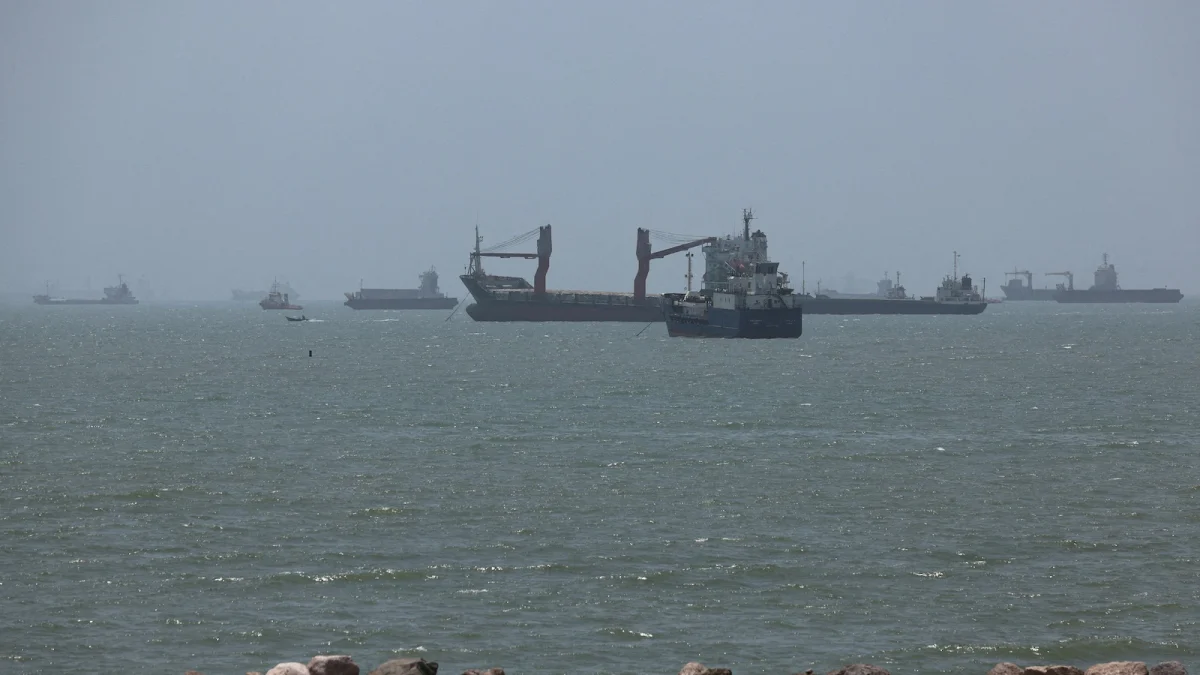
At the geographic heart of the current flashpoint lies the Strait of Hormuz, a waterway barely 33 nautical miles wide at its narrowest point. Roughly one-fifth of the world’s daily oil consumption transits this corridor, making it one of the most consequential maritime passages on the planet. For Iran, which borders the strait on its northern shore, the waterway is both a strategic asset and a bargaining chip. For the United States, which maintains a naval presence in the Persian Gulf to guarantee free passage, it is a core interest that few administrations have been willing to cede.
Implications for Global Energy Markets
When strikes fall near or within the strait’s operational envelope, shipping insurers raise premiums, tanker operators reroute around the Cape of Good Hope, and commodity traders price in the risk of a temporary closure. Even the credible threat of a mine-laying campaign or a missile engagement against commercial vessels can move crude benchmarks by several dollars per barrel within a single trading session. The economic stakes mean that the Strait of Hormuz is not merely a military flashpoint; it is a global macroeconomic variable that central banks, energy ministries, and commodity exchanges monitor in real time.
For the countries that depend on Gulf exports — Saudi Arabia, the United Arab Emirates, Qatar, Kuwait, and Iraq — the strait’s stability is an existential commercial concern. Any prolonged disruption would force them to seek alternative overland pipelines or to accept lower realized prices, reshaping the fiscal calculations that underpin their domestic budgets.
What the Next Phase Looks Like
The coexistence of active strikes and active negotiations creates a fragile equilibrium. Both sides have incentives to keep pressure high enough to improve their bargaining position while keeping it low enough to avoid a catastrophic escalation that would collapse the talks entirely. The memorandum of understanding, if it survives the next round of exchanges, would need to specify verification steps, timelines for stand-down, and consequences for violations. Without those operational details, the document risks becoming a shared aspiration rather than a binding constraint.
For readers tracking the situation, the key indicators to watch are: whether the frequency and intensity of strikes decline in tandem with negotiation sessions; whether naval incidents in the strait are de-escalated through existing communication channels; and whether both governments publicly reaffirm the memorandum’s terms after each round of talks. The gap between rhetoric and action in this conflict has been wide since February. Closing that gap is the central task of the diplomatic track now underway.
Related Reading
Frequently Asked Questions
What is Iran live updates?
Iran live updates is the main topic of this guide. The article explains the context, practical details, and next steps readers should understand.
Why does Iran live updates matter?
Iran live updates matters because readers are looking for a useful answer, not just a short summary. Good content should match search intent and help them decide what to do next.