Ranked choice voting explained as voters in 2 states rank congressional picks

Daftar Isi
Ranked-Choice Voting Returns to the Spotlight in Maine and Alaska
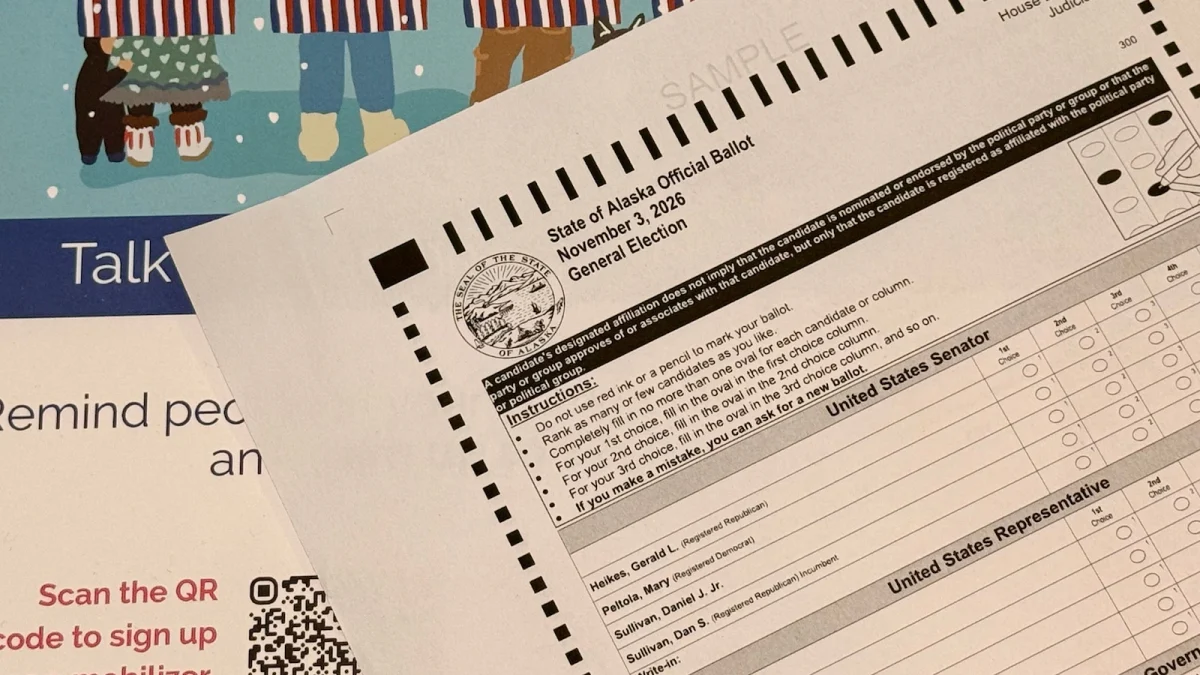
Tyunews.com – Control of Congress could hinge on contests in two states that use a ballot system designed to give voters more than one meaningful preference. Maine and Alaska will again use ranked-choice voting in congressional and state races, allowing voters to list candidates in order rather than selecting only a single name.
The method is often compared with choosing favorite ice cream flavors: voters identify their first choice, then can continue with a second, third and additional choices. Supporters say that approach lets people back a preferred independent or third-party candidate without necessarily losing influence if that candidate is eliminated.
Ranked-choice voting has been used in Maine since 2018 and in Alaska for four years. Its expansion has also fueled a sharp political and legal debate. Nineteen states have prohibited the practice, and Alaska voters will consider a Nov. 3 ballot measure that could determine whether their state remains among the jurisdictions using it.
How the Ballots Are Counted
In a conventional election, each voter chooses one candidate. Ranked-choice voting gives voters the option to rank contenders from first through later preferences. They may also stop after selecting one candidate; ranking every available candidate is not required.
If a candidate receives more than half of all first-choice votes, the race ends immediately and that candidate wins. When no one clears that majority threshold, election officials conduct an instant runoff.
During that process, the candidate with the fewest first-place votes is removed from contention. Ballots naming that eliminated candidate as their top choice are then reviewed for the voter’s next ranked candidate. Those votes are transferred to the second choice, or a later choice if necessary.
A voter who marked only an eliminated candidate does not have a vote transferred in later rounds. The ballot remains valid, and the original selection remains part of the official record, but it cannot be reassigned because no additional preference was provided.
Eliminations and transfers continue round by round until one remaining candidate gains a majority. Election systems using ranked-choice voting generally rely on computer programs to tabulate the successive rounds, with runoff results often calculated the same night.
Why Supporters Focus on the “Spoiler” Question
One central argument for ranked-choice voting concerns candidates outside the two major parties. David McCune, a mathematics professor at William Jewell College who has studied the system for a decade, has highlighted its potential to reduce the influence of a so-called spoiler candidate.
Maine’s 2014 governor’s race is frequently used to illustrate that concern. Republican Paul LePage won with less than 50% of the vote in a three-way contest that also included Democrat Mike Michaud and independent Eliot Cutler. Under a ranked ballot, a voter could place an independent candidate first while still ranking a major-party alternative later on the ballot.
That design can allow voters to express their first preference while retaining a role in the final choice between candidates who remain in the race. McCune has said the outcome can produce a winner supported by a broader share of participating voters.
“The evidence points to the fact that elections become more competitive when you switch to RCV,” McCune said.
Ismar Volić, director of the Institute for Mathematics and Democracy at Wellesley College, has described the voter rationale in practical terms: a person can support a favorite candidate even when that candidate is unlikely to prevail, while also identifying another candidate they consider acceptable.
“The thinking is that even if my favorite candidate has no chance of winning, I can put my support and vote for someone who I also think is good,” Volić said.
Campaigns Must Seek More Than First Choices
The system can change the incentives facing candidates as well as voters. David Kimball, a political science professor at the University of Missouri–St. Louis who has researched ranked-choice voting, has noted that campaigns have reason to compete for second- and third-choice rankings in addition to first-place support.
That may matter in a closely divided contest. A candidate who cannot initially lead the field might still remain competitive by attracting enough later-preference support as other candidates are eliminated. By the same logic, harsh attacks can carry a cost if they alienate voters whose later rankings may decide the final runoff.
For voters, the key practical point is simple: a first-choice ranking is not replaced merely because additional choices are listed. The first choice is counted at the start. Later rankings become relevant only if the voter’s higher-ranked candidate is eliminated before the race is decided.
A Continuing Debate Over Ease and Effectiveness
Despite its use in Maine and Alaska, ranked-choice voting remains controversial. Critics have raised questions about whether voters find the system easy to understand and whether it produces the intended benefits. Supporters argue that the method gives the electorate a fuller way to show its preferences and can help ensure that the winner emerges with majority support among ballots still active in the final round.
The disagreement is likely to remain prominent as Alaska considers its ballot question and as states continue to debate voting rules. For residents of Maine and Alaska, the immediate task is to understand the ballot: rank candidates in genuine order of preference, include additional choices if desired, and recognize that the count may involve more than one round before a winner is declared.
Related Reading
Frequently Asked Questions
What is Ranked choice voting explained as voters?
Ranked choice voting explained as voters is the main topic of this guide. The article explains the context, practical details, and next steps readers should understand.
Why does Ranked choice voting explained as voters matter?
Ranked choice voting explained as voters matters because readers are looking for a useful answer, not just a short summary. Good content should match search intent and help them decide what to do next.