Supreme Court rejects Trump administration’s attempt to restrict mail-in voting

Supreme Court Rejects Trump Administration Mail Voting Bid
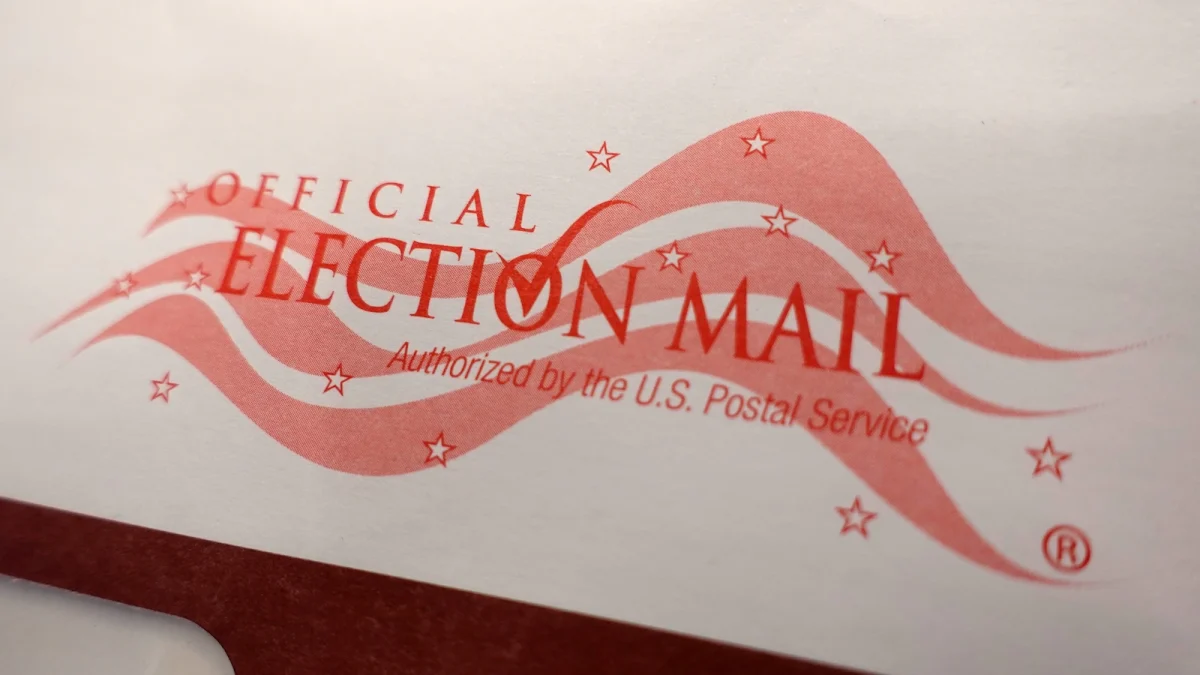
Tyunews.com – The Supreme Court rejects Trump administration efforts to immediately enforce new U.S. Postal Service requirements affecting mail-in ballots, leaving a lower-court injunction in place while the legal challenge continues.
As a result, states may continue planned ballot-mailing programs without first adopting the disputed federal requirements. Election officials will not be required to make last-minute changes to established mail-ballot procedures while the case remains unresolved.
The proposed policy would require states to give the Postal Service information for every intended mail-ballot recipient, including a voter’s name, home address and a unique barcode linked to each ballot. Postal employees would deliver ballots only if the recipient appeared on the list provided by the state.
The Government is unlikely to succeed on the merits of its challenge to the District Court’s preliminary injunction.
Why the Mail-In Voting Rules Remain Blocked
The Supreme Court rejects Trump administration arguments that the policy should take effect before the courts decide its legality. The ruling does not permanently invalidate the requirements; it addresses whether they can be enforced during the underlying litigation.
Democratic-led states and voting-rights organizations argued that the requirements would interfere with state authority over elections and make voting by mail harder for voters. They also warned that changing ballot-delivery procedures close to an election could disrupt printing, voter-record maintenance, envelope preparation and mailing schedules.
The administration maintained that the proposal amounted to limited postal standards and that providing names, addresses and barcode information would not impose a major burden on election systems. Its position rests on the Postal Service’s authority to regulate the mail, even when postal rules affect election materials.
Alito and Thomas Dissent
Justices Samuel Alito and Clarence Thomas would have allowed the administration to proceed with the regulations while the lawsuit moved forward. Alito wrote an eight-page dissent describing the effort to stop the policy as a “Hail Mary pass.”
That Hail Mary pass is unlikely to be successfully completed here. The Postal Service has broad authority to regulate the mail.
Alito said the Postal Service has broad authority over mail regulations and concluded that the plaintiffs lacked standing. He and Thomas also found that the challengers had not met the demanding standard for blocking a policy before a final decision on its legality.
Justice Brett Kavanaugh joined the result but emphasized the election calendar. He wrote that, based on the briefing at this interim stage, there was at least a fair prospect that the final rule fell within the Postal Service’s statutory authority.
What the Decision Means for Mail Ballots
The Supreme Court rejects Trump administration requests for immediate enforcement, meaning election officials can continue using their existing procedures for now. The broader dispute over whether the Postal Service may impose these standards remains pending.
For voters, the immediate effect is that states do not have to implement the proposed recipient-list and barcode requirements before mailing ballots. Voters should still rely on their state or local election office for ballot deadlines, tracking options and return instructions.
FAQ: Mail-In Voting and the Court’s Order
Does the ruling end the case? No. The decision leaves the preliminary injunction in place while the courts continue considering the policy’s legality.
Do states have to change their mail-ballot systems now? No. The blocked requirements cannot be enforced while the injunction remains in effect.
Should voters change how they return a ballot? Voters should follow the instructions issued by their state or local election office and allow sufficient time for mailing or delivery.