Trump admin sees escalating risk from Houthis, prompting unprecedented wave of warnings


Daftar Isi
U.S. Expands Security Warnings as Houthi Threat Spreads Across Middle East
Tyunews.com – American citizens across much of the Middle East are being urged to reassess their security as the Trump administration views the danger from Yemen’s Houthi movement as wider and more volatile than before.
In a coordinated action, U.S. diplomatic posts in Bahrain, Iraq, Israel, Jordan, Kuwait, Lebanon, Oman, Qatar and the United Arab Emirates issued security messages Sunday. The U.S. mission to Yemen and the virtual embassy for Iran released matching notices. The alerts warned that fighting involving Houthi militants could quickly extend beyond the locations already hit by the conflict.
Saudi Arabia had already received repeated guidance for weeks, with the U.S. Embassy issuing frequent notices to Americans in the kingdom. The broader regional outreach marks an unusually expansive effort to flag the risks posed by the Iranian-backed group to U.S. nationals.
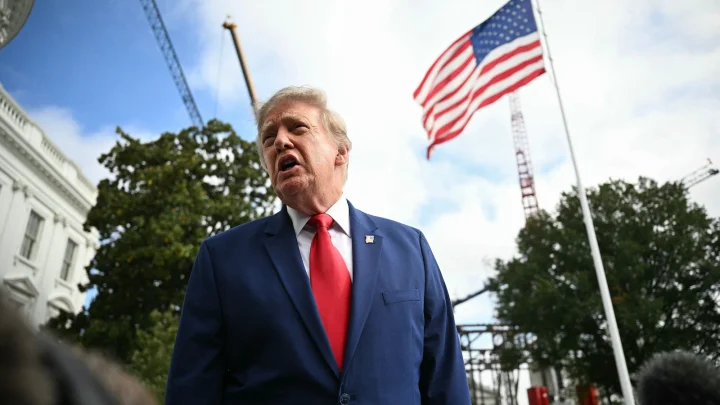
“We are actively warning U.S. citizens about the very real threat the Houthis pose and urging them to heed official guidance. These alerts are part of a proactive effort by the Trump administration to ensure Americans are aware of potential risks,” State Department Deputy Assistant Secretary for Press Edgar Vasquez said.
Airport attack heightens concern
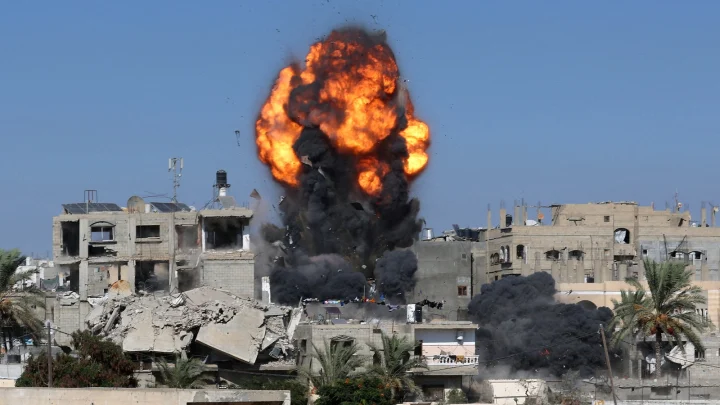
The new warnings follow a series of missile and drone attacks that have strained Saudi Arabia’s defenses and underscored the potential danger to civilian infrastructure. Energy facilities and aviation sites have been among the targets.
An early-October strike on Riyadh’s main international airport killed 13 people, including one U.S. citizen. Images released after the attack showed passengers taking cover while flames and smoke filled part of King Khalid International Airport.
For travelers, the immediate concern is not limited to physical attacks. The U.S. Embassy in Saudi Arabia cautioned Monday that potential threats could lead to airport disruptions, airspace restrictions, canceled flights and broader travel complications.
Americans were advised to “be aware of potential attacks on airports, airspace closures, flight cancellations, and travel disruptions” and to “take extreme caution if you choose to use airports in Saudi Arabia.”
The warnings reflect the way attacks on transportation hubs can affect people well beyond the direct target area. A strike or security response can interrupt commercial air travel, change flight routes and complicate movement between countries throughout the Gulf and surrounding region.
Saudi Arabia seeks greater regional backing
Riyadh has shown increasing concern about the security climate. Saudi Arabia postponed a major annual investment gathering, often called “Davos in the Desert,” because of the situation. The decision illustrated the extent to which the conflict is affecting both public safety and major economic events.
Saudi-led forces have conducted substantial air and ground campaigns against the Houthis inside Yemen. Those operations, however, have not stopped incoming missile and drone strikes. On Monday, a spokesperson for the group said it had carried out several attacks on Saudi targets.
Saudi Crown Prince Mohammad bin Salman has sought regional support for the fight against the Houthis and previously appealed to President Trump for help. The United States has provided Saudi Arabia with considerable intelligence and targeting assistance, but Trump has not ordered direct U.S. military action against the group.
The administration has been reluctant to open another military front in the Middle East while tensions and conflict involving Iran remain unresolved. Last week, Trump described the Houthis as “behaving very badly,” without indicating whether he intended to authorize strikes against them.
Who the Houthis are
The Houthis are a Shiite political and armed organization that emerged as an opposition movement to Yemen’s government. They played a significant role in the 2011 Yemeni Revolution, part of the wider Arab Spring wave of protests and uprisings across the region.
That revolution led to a transfer of power, but the group rejected the leaders who followed. In 2014, the Houthis seized Sanaa, Yemen’s capital, setting off a civil war that has devastated the country. A Saudi-led coalition intervened in 2015, turning the conflict into a wider regional confrontation.
Yemen’s location adds to the stakes. The country sits near strategically important waterways and regional trade routes, while its conflict has repeatedly drawn in neighboring states and international powers. Houthi attacks on Saudi territory have therefore become a concern not only for the kingdom, but also for foreign residents, travelers and diplomatic missions across the Middle East.
For Americans in the affected countries, the central message from U.S. officials is to monitor embassy guidance closely, remain alert to changing conditions and prepare for abrupt interruptions to travel or local security conditions. The coordinated embassy notices signal that Washington believes the risk can shift quickly across borders as the confrontation continues.
Related Reading
Frequently Asked Questions
What is Trump admin sees escalating risk?
Trump admin sees escalating risk is the main topic of this guide. The article explains the context, practical details, and next steps readers should understand.
Why does Trump admin sees escalating risk matter?
Trump admin sees escalating risk matters because readers are looking for a useful answer, not just a short summary. Good content should match search intent and help them decide what to do next.