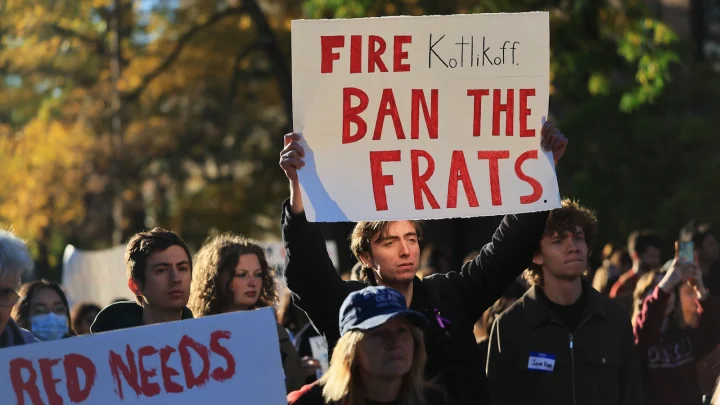
Jane Doe in Cornell lawsuit to remain anonymous as judge warns against threats

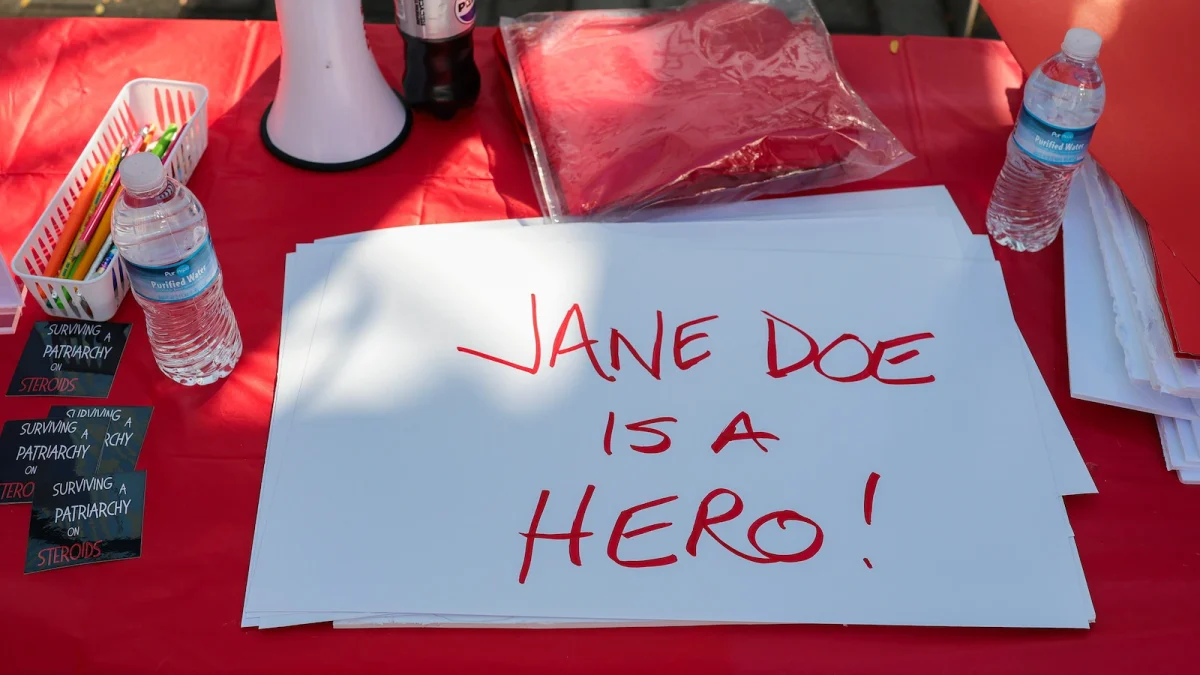
Jane Doe in Cornell Lawsuit May Remain Anonymous, Judge Rules
Tyunews.com – Jane Doe in Cornell lawsuit may continue using a pseudonym while pursuing her civil sexual assault case, a New York judge has ruled. The plaintiff alleges that she was drugged and gang-raped at Cornell University’s Chi Phi fraternity house in October 2024.
The lawsuit names Cornell University and seven fraternity members. All seven men have denied wrongdoing, and no criminal charges have been brought in connection with the allegations.
Judge Cites Sensitive Allegations and Public Attention
Judge Phaedra Perry-Bond ruled that the former Cornell student had shown sufficient reason to keep her identity private. Civil litigants do not automatically receive anonymity, but courts may permit it when disclosure could create substantial harm or when highly sensitive matters are involved.
In this case, the judge considered both the nature of the allegations and the public attention surrounding them. The ruling allows the plaintiff to move forward as Jane Doe, rather than requiring her name to appear publicly in the case.
The decision does not establish anonymity as a blanket rule for similar lawsuits. Instead, it reflects the specific circumstances presented in the Cornell litigation.
Warning Against Threats and Online Harassment
The judge also addressed reports that people had tried to identify Jane Doe and had used a purported identity to harass or threaten people allegedly connected to her.
“Cyberstalking and engaging in or encouraging threats across state lines, whether it be of Jane Doe, any of the named defendants, or their attorneys, can be considered a federal crime and perpetrators of those acts may be subjecting themselves to prosecution,” Judge Phaedra Perry-Bond wrote.
The warning applies to conduct directed at the plaintiff, defendants, and their attorneys. It emphasizes that online harassment, doxxing, threats, or encouraging threats can have serious legal consequences.
Jane Doe’s attorney, Thomas Giuffra, has previously said that his client and her family faced threats, doxxing, and other harassment. Doxxing generally refers to publishing someone’s personal information online in a way that can expose them to unwanted contact or intimidation.
Cornell and New York Reviews Continue
The Jane Doe in Cornell lawsuit is separate from other reviews of the allegations. New York Attorney General Letitia James, who was appointed by Gov. Kathy Hochul, is investigating the incident. Cornell has also said it is reviewing its response.
Cornell has said it takes allegations of sexual violence extremely seriously and that it investigated and adjudicated the allegations under university policies. The university has expressed support for appointing a special prosecutor and has said it plans further action intended to improve campus safety.
Criminal investigations, civil lawsuits, and university disciplinary processes serve different purposes. Prosecutors decide whether to bring criminal charges, while a civil plaintiff seeks legal relief. A university review examines whether school policies were followed. The lack of criminal charges does not determine the result of a civil case or an internal campus process.
FAQ: What the Cornell Case Means in Ithaca, New York
Why can Jane Doe remain anonymous?
The judge found that the sensitive allegations and reported efforts to identify or harass the plaintiff supported the use of a pseudonym. The permission is specific to this case and does not mean every civil plaintiff may remain anonymous.
What has Cornell University said?
Cornell has said it investigated the allegations under its policies, takes claims of sexual violence seriously, and intends to pursue additional campus-safety measures.
Have criminal charges been filed?
No criminal charges have been brought in connection with the allegations. The civil lawsuit and reviews by Cornell and the New York attorney general remain separate matters.