Iran Live Updates: Trump Calls ‘All the Shots’ as Israel and Iran Trade Strikes
Tyunews.com – Iran live updates continue to highlight the escalating tensions between the United States and Iran, with recent developments showcasing a dramatic exchange of military strikes and diplomatic maneuvering. President Donald Trump, who has consistently emphasized his dominance in shaping foreign policy, reiterated his authority over the situation, stating he would “call all the shots” in the ongoing conflict. The latest episodes of hostilities between Israel and Iran have drawn significant international attention, underscoring the complex web of alliances and rivalries in the Middle East. As the situation unfolds in real-time, the focus remains on how Trump’s strategic decisions influence the trajectory of this volatile standoff.
The Escalation of Military Actions
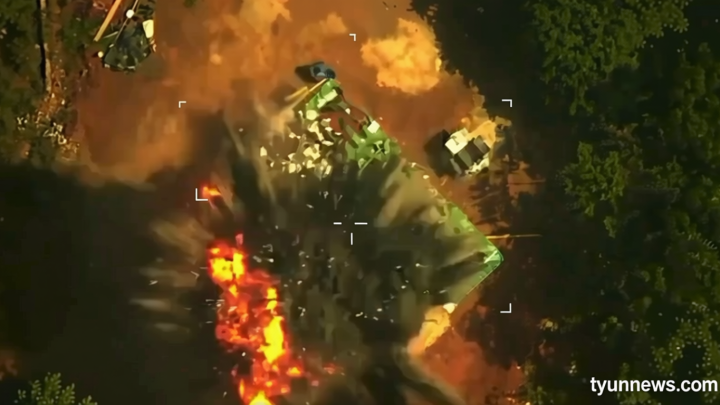
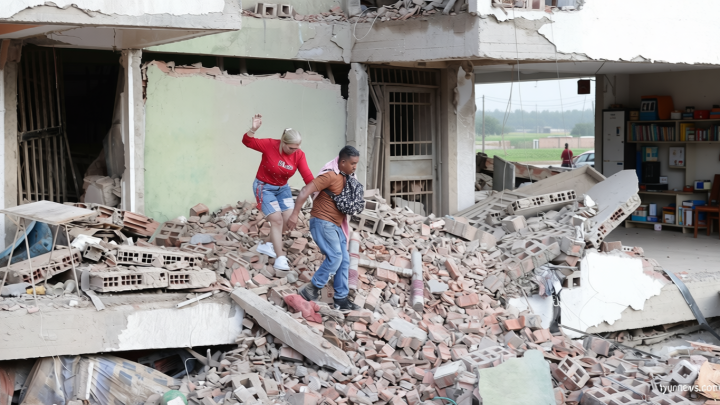
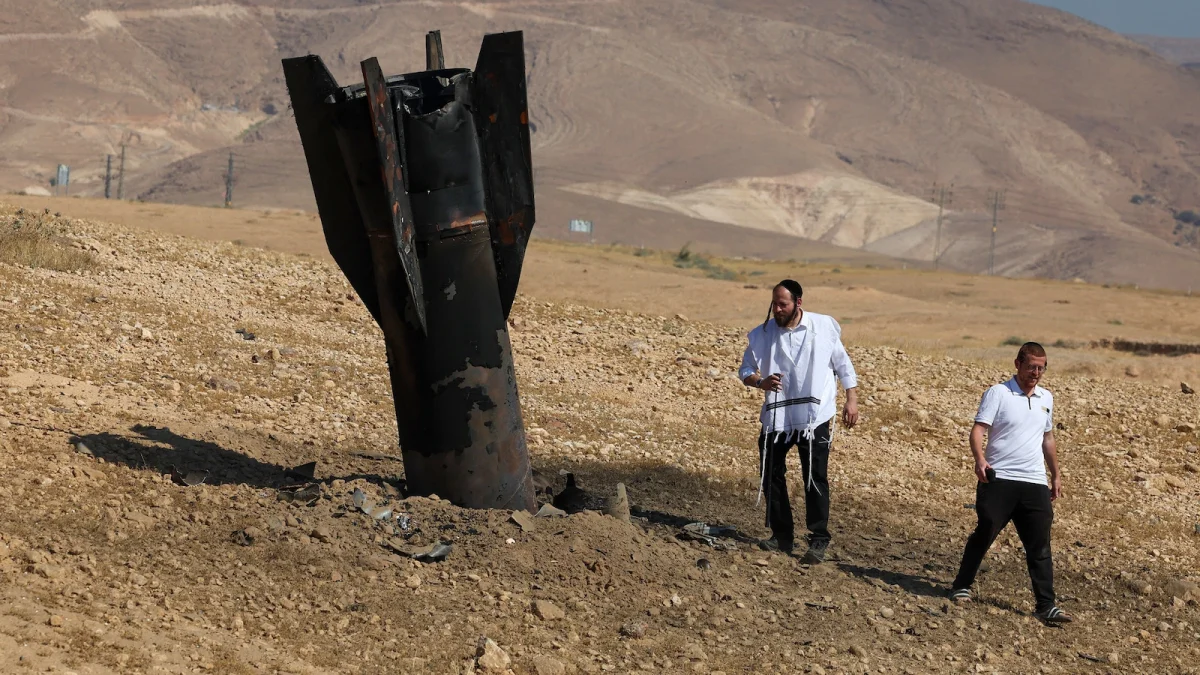
The recent strikes by Israel on Iranian targets have intensified the already high-stakes environment in the region. According to reports, Israeli forces launched coordinated attacks on military installations and infrastructure sites in Iran, targeting key facilities believed to be involved in the development of ballistic missiles and nuclear programs. These strikes were part of a broader effort to disrupt Iran’s military capabilities and signal a willingness to retaliate against perceived threats. In response, Iran retaliated with its own missile launches, targeting Israeli positions in Syria and Israel itself. This cycle of retaliation has been a recurring theme in the U.S.-Iran conflict, with both sides using military force to assert their positions.
“We are not going to let Iran continue its aggression without consequence,” stated a U.S. official in a statement released during the live updates. The official added that the strikes were a direct response to Iran’s growing influence in the region and its nuclear ambitions.
While the initial attacks were swift, the subsequent retaliation by Iran has raised concerns about the potential for a larger regional war. Analysts suggest that the strikes were not only a display of military power but also a test of international resolve. The U.S. has been closely monitoring the situation, with reports indicating that the Trump administration has taken a firm stance, ensuring that Iran faces the consequences of its actions. This hands-on approach has become a hallmark of Trump’s foreign policy, as he continues to make decisions that shape the course of the conflict.
Trump’s Role in the Ceasefire and Blockade
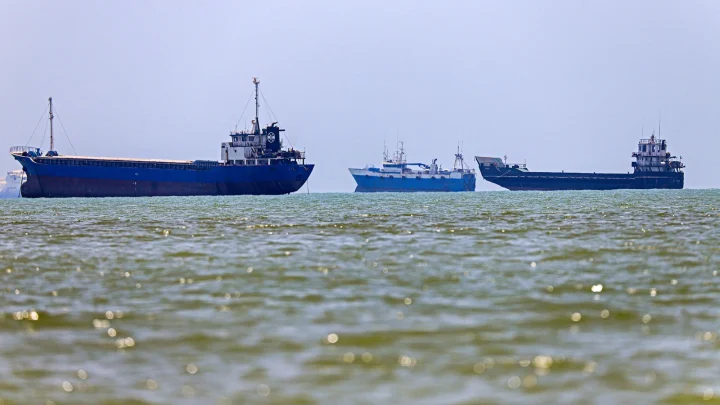
Following the initial strikes, Trump extended a two-week ceasefire, aiming to create a window for diplomatic discussions. However, the ceasefire was described as open-ended, allowing for flexibility in negotiations while maintaining pressure on Iran. During the live updates, Trump emphasized the importance of the U.S. blockade, which has been a central component of his strategy to weaken Iran’s economy and force concessions. The blockade, which includes restrictions on oil exports and financial transactions, has been a tool of economic warfare, intended to isolate Iran and undermine its ability to fund its military and nuclear programs.
Trump’s decision to extend the ceasefire was met with mixed reactions. Some allies praised the move as a necessary pause to prevent further escalation, while others questioned its effectiveness. The U.S. delegation, including senior officials, has been actively engaged in talks with Iranian representatives, with the goal of reaching a comprehensive agreement. Despite the initial failure of the April talks in Pakistan, the administration remains committed to the negotiations, even as the threat of renewed hostilities looms.
“The blockade is a powerful instrument to change the game,” said Trump in a recent address. “We are willing to go as far as it takes to ensure Iran complies with our demands.” This statement reflects the administration’s determination to use economic pressure as a means of achieving strategic objectives.
As the live updates progress, the focus shifts to the broader implications of these actions. The U.S.-Iran conflict has been a defining issue of Trump’s presidency, with his policies aimed at reining in Iran’s influence and securing national interests. The recent strikes and the continuation of the blockade are seen as key elements in this strategy, with the potential to reshape the regional balance of power. However, the success of these measures depends on the ability to maintain international cooperation and prevent a full-scale war.
International Reactions and Regional Impact
Global reactions to the Israel-Iran strikes have been varied, with allies in the Gulf region expressing concern over the potential for wider conflict. Saudi Arabia, which has long been wary of Iranian influence in the region, has called for a unified approach among Arab nations to counter Iranian aggression. Meanwhile, European countries have urged caution, emphasizing the need for diplomacy over military action. The live updates have provided a platform for these diverse perspectives, highlighting the geopolitical stakes of the ongoing conflict.
Regional leaders have also weighed in, with some expressing support for Israel’s actions while others advocate for a more measured response. The United Nations has been monitoring the situation, with reports indicating that the conflict could impact global oil markets and international security. As the live updates continue, the world watches closely to see how the U.S. and its allies navigate the challenges posed by Iran’s defiance and the potential for further escalation.
Iran live updates are not just a reflection of current events but also a lens through which the broader geopolitical landscape can be understood. The Trump administration’s approach to the conflict has been characterized by bold moves and a willingness to take risks, with the ultimate goal of securing long-term stability in the Middle East. The recent strikes and the ongoing negotiations underscore the complexities of this conflict, where military action and diplomacy are intertwined in a delicate dance of power and strategy.