World Cup Referee from Somalia Denied Entry to the U.S. Over Vetting Concerns
Tyunews.com – A World Cup referee from Somalia recently faced entry denial into the United States, raising questions about the vetting process for international officials. The incident occurred over the weekend when the referee, who is set to oversee matches during the 2026 FIFA World Cup, arrived at Miami International Airport from Istanbul and underwent additional scrutiny by U.S. Customs and Border Protection (CBP). The decision was made based on “vetting concerns,” though specific details about the nature of these concerns have not been fully disclosed. This event highlights the ongoing security measures applied to foreign nationals entering the U.S., even those associated with high-profile global sporting events.
CBP’s Vetting Process and the Referee’s Admissibility
“Additional inspection was performed to confirm information and determine admissibility,” stated a CBP representative in an official statement. The referee was found “inadmissible due to vetting concerns,” with the agency emphasizing that such decisions are made through a case-by-case review. CBP officials confirmed the process involved cross-checking the referee’s travel history, documentation, and any potential security risks. While no explicit reasons were provided, the agency noted that the additional evaluation was part of its standard protocol for travelers entering the U.S. under the current immigration framework.
This incident underscores the rigorous checks applied to individuals entering the U.S., particularly those from countries under heightened security scrutiny. The Somali World Cup referee’s case has sparked discussions about the balance between national security and the inclusion of international athletes and officials in major sporting events. CBP’s statement suggested that the process was thorough but not overly burdensome, as it is designed to ensure all individuals meet the required criteria for entry.
Context of Trump-Era Travel Restrictions
The Somali World Cup referee’s denial comes amid the lingering effects of the Trump-era travel restrictions, which targeted individuals from several nations, including Somalia, for enhanced scrutiny. These policies, introduced in 2017, aimed to prevent the entry of individuals deemed a security risk, often based on their nationality and travel history. While the current administration has relaxed some of these measures, the Somali case illustrates how the U.S. continues to apply selective vetting protocols for key international figures.
FIFA had previously announced the selection of 52 referees and 88 assistant referees for the 2026 World Cup, which will be co-hosted by the U.S., Mexico, and Canada. The tournament, scheduled to begin on June 1, 2026, represents a significant global event, with teams and officials from across the world participating. The Somali referee’s denial adds a layer of complexity to the logistics of the event, as it may affect the scheduling or coordination of matches. CBP has not specified whether the referee will be granted entry through alternative means or if the decision is final.
Meanwhile, the contrast between the Somali referee’s denial and the recent approval of Iranian World Cup players for U.S. visas has drawn attention to the variability in visa decisions. Iranian athletes were recently granted entry, demonstrating that CBP’s admissibility criteria can differ based on the individual’s profile and the context of their visit. This divergence has raised questions about the consistency of the vetting process and whether it is influenced by geopolitical factors.
Implications for the 2026 World Cup
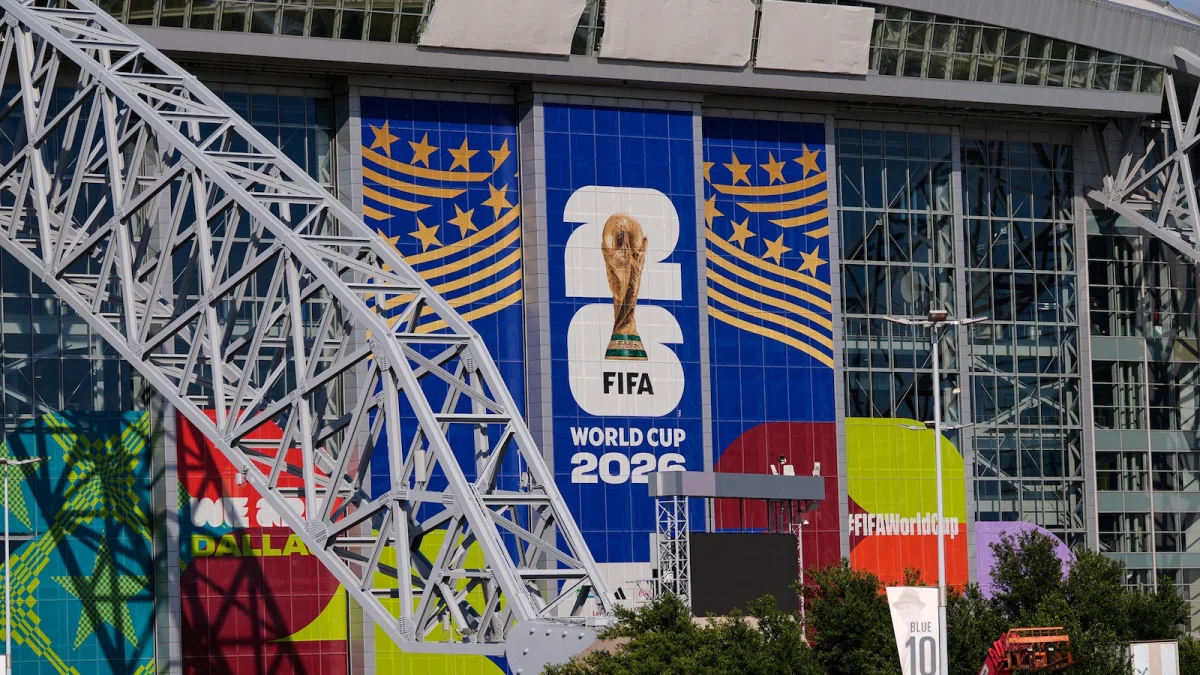
The Somali World Cup referee’s entry denial may have broader implications for the tournament’s operations. With matches set to take place in multiple U.S. cities, including Arlington, Texas, at AT&T Stadium, the referee’s presence is critical to ensuring the smooth execution of games. If the referee cannot enter, FIFA may need to assign an alternate official, which could create logistical challenges. However, the situation also highlights the importance of international collaboration in securing global sporting events, as it requires coordination between FIFA, the U.S. government, and other nations.
CBP has reiterated that admissibility decisions are based on a comprehensive evaluation of available data, including law enforcement records, immigration history, and security assessments. While the Somali referee’s case is unique, it reflects the broader trend of applying strict scrutiny to foreign nationals, especially those in roles that could impact national security. The U.S. has maintained these procedures as a necessary measure to address potential threats, even as the World Cup represents a platform for cultural exchange and international unity.
FIFA has not yet released a statement confirming whether the Somali referee will be allowed entry through a different process or if they will be reassigned to another match. The organization is working closely with CBP to resolve the issue, emphasizing its commitment to ensuring the World Cup proceeds without disruption. This incident serves as a reminder of the challenges faced by international sports events in navigating U.S. immigration policies, even as they aim to showcase global participation and diversity.