Senate Votes to Confirm Jay Clayton as Director of National Intelligence
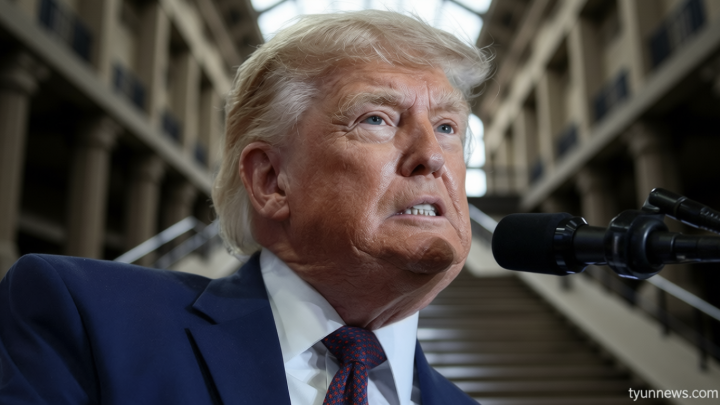
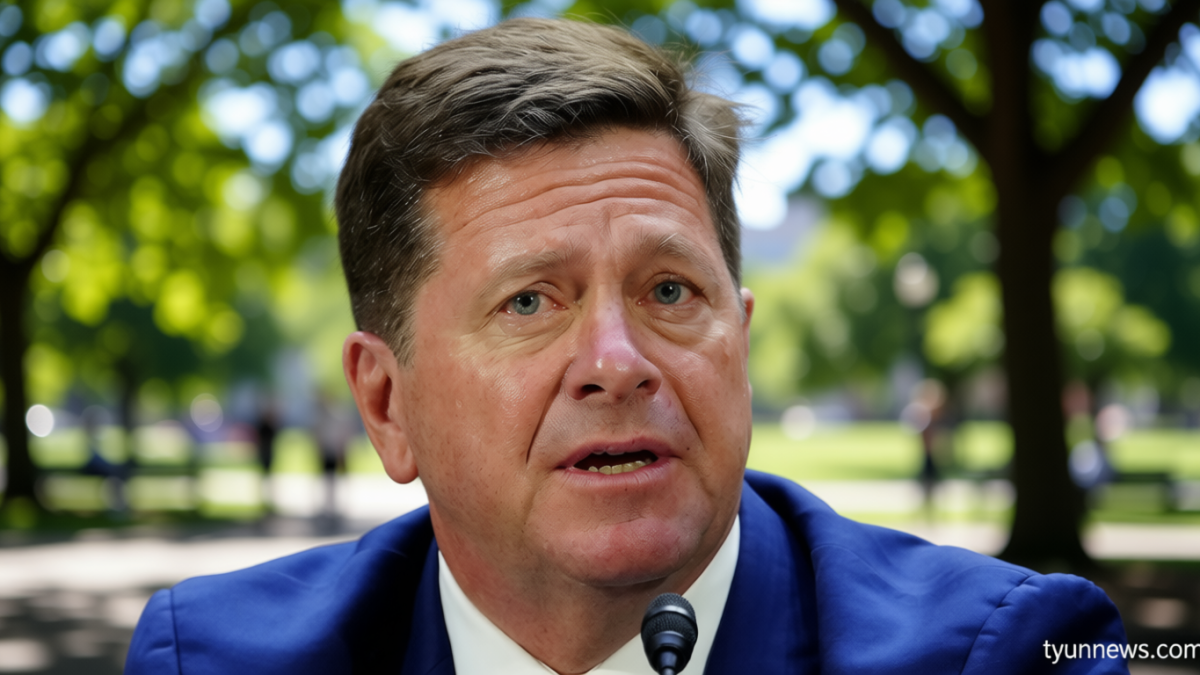
Tyunews.com – The U.S. Senate has officially moved forward with confirming Jay Clayton as the nation’s next director of national intelligence after months of political deliberation. The confirmation came through a closely divided 51-47 vote that largely followed party lines, marking a significant step in filling one of the most critical positions in American intelligence. This development arrives at a crucial moment as Congress works to extend the Foreign Intelligence Surveillance Act, commonly referred to as FISA, which has faced uncertainty following Democratic resistance to its extension.
Political Context and Timing Challenges
Clayton’s path to the DNI position has been marked by several procedural hurdles and political considerations. He appeared before the Senate Intelligence Committee on July 15, 2026, for his confirmation hearing on Capitol Hill in Washington, D.C. The proceedings followed the unexpected departure of Tulsi Gabbard, who stepped down from her role as DNI in May, creating a leadership vacuum that required immediate attention.
President Donald Trump initially selected Bill Pulte, then head of the Federal Housing Finance Agency, to serve as acting DNI despite Pulte having no prior intelligence background. This decision generated considerable discussion among lawmakers and intelligence professionals alike.
“There have been timing issues around several things that they’ve done in the last few weeks,” Thune said of the administration in early June. “I’m sure that’s the, you know, that’s the conclusion Democrats have drawn, but I still think that, not withstanding their feelings on that, that it’s irresponsible not to keep this agency going.”
The appointment of Pulte created notable friction across the political aisle. Nearly all Democratic senators opposed advancing FISA authorization, though some—including Intelligence Committee Vice Chair Mark Warner—had previously expressed support for the legislation. Only Sen. John Fetterman broke ranks to vote in favor of the measure. Among Republicans, Majority Leader John Thune voiced frustration, noting that the reauthorization effort had bipartisan momentum but suffered from poor timing in Trump’s announcement.
Confirmation Hearing and Key Questions
Trump’s handling of the nomination process drew additional scrutiny when he suddenly postponed Clayton’s hearing just one morning before the scheduled appearance. The president indicated the session would not resume until James McDonald, his choice to replace Clayton at the Southern District of New York, received confirmation from the Senate.
During his eventual appearance before the committee, Clayton faced pointed questioning regarding his stance on the 2020 presidential election. Rather than directly affirming that Joe Biden won, Clayton stated the results had been certified through proper channels. He also addressed concerns about issuing subpoenas to multiple New York Times reporters covering security matters related to Trump’s newly gifted Air Force One from Qatar.
“I was very disappointed with a number of Mr. Clayton’s answers — it’s not in many ways reflective of the person that I’ve worked with over the years,” Warner said as he left the hearing. “Some of my initial questions, Clayton said what I wanted to hear in terms of the importance of classification of information, speaking truth to power,” Warner began, but then said, “But I was very disappointed.”
Despite mixed reactions from senators, Clayton progressed through the committee on a party-line vote and cleared a procedural hurdle on Monday to reach the Senate floor for final consideration. Republicans remain optimistic that his confirmation could generate the Democratic backing needed to extend FISA Section 702, which expired in mid-June and left surveillance capabilities in limbo.
With the House already on recess, the Senate may attempt action before its own August break, though the surveillance program is expected to remain inactive through at least September. Clayton’s confirmation represents not only a personal achievement but also a potential catalyst for resolving broader intelligence community challenges that have persisted throughout the year.