Iran executes protesters in public as regime expands postwar repression, human rights groups say

Daftar Isi
Iran Intensifies Post-War Crackdown with Public Hangings
Tyunews.com – The Islamic Republic has brought public executions back to its streets, marking a significant escalation in repression following an extended period of conflict with the United States and widespread demonstrations throughout January. According to family members and human rights organizations, the regime is systematically targeting dissenters.
Public Hanging in Isfahan
Three young demonstrators were hanged in Isfahan, a central Iranian city, after cranes were deployed to suspend heavy ropes for the spectacle. The victims—Amirhossein Safari, aged 27; Abolfazl Sepahi, 23; and Alirez Sepahi, 25—were transported by van to Alikhani Street to face their fate for alleged offenses connected to the January anti-regime protests.
The execution took place during the early hours of Tuesday, July 28. Witnesses reported that scaffolding had been erected at Alikhani Square while security personnel assembled around the area. A crane was positioned at the site, heightening concerns that the hangings would occur openly before the public. A crowd of citizens soon gathered to observe.
According to eyewitness accounts provided to ABC News, the van carrying the defendants arrived escorted by a truck equipped with a mounted machine gun, designed to intimidate any potential protesters. The condemned men reached the location just before dawn, aligning with the traditional time for carrying out execution orders under Iranian law, which coincides with the morning prayer call.
While Safari and Abolfazl Sepahi were successfully hanged, Alireza Sepahi did not survive the procedure. He collapsed at the gallows and was rushed to a hospital, where human rights groups stated he suffered either heatstroke or a heart attack.
Wider Pattern of Repression
Volker Türk, the United Nations High Commissioner for Human Rights, announced on Wednesday that the Iranian government has executed at least 56 individuals on national security grounds since March 19. Of these, 27 cases are directly connected to the nationwide protests that erupted in January. Türk cautioned that more than 100 additional people face potential execution on comparable charges.
Iranian attorneys operating within the country informed ABC News that the actual number of individuals threatened with execution over protest-related accusations may exceed official figures. In the specific Alikhani case alone, twelve young men received death sentences, while several others were handed prison terms ranging from five to ten years.
Of those twelve condemned to die, four have already been hanged, leaving eight others awaiting their turn. Many Iranians have expressed distress on social media platforms, noting that the morning prayer call—which traditionally signals the start of the day—has now become a dreaded “death song” for citizens.
Allegations of Torture and Procedural Violations
Relatives and friends of the defendants in the Alikhani case revealed to ABC News that authorities compelled their children to confess under duress. The families stated that the prisoners endured severe physical and psychological torture over several days and were denied the right to select their own legal representation.
“They have tortured them for days to confess to murder,” one family member explained.
The families requested anonymity to protect their security and to avoid placing further pressure on their sons who remain on death row. In certain instances, courts rejected evidence demonstrating that the defendants were not present at the alleged crime scenes when the incidents occurred.
Furthermore, the pro bono lawyer appointed by the judiciary to represent one of the defendants was denied access to the case files during the trial proceedings. This restriction continued even after the death sentence was handed down. According to the family member, both the attorney and the defendant’s parents only learned of the death penalty after it had already been officially issued by the court.
Image caption: A delivery person rides a motorcycle near an image of Iran’s Supreme Leader Mojtaba Khamenei at Valiasr Square in central Tehran on Aug. 8, 2026. (Atta Kenare/AFP via Getty Images)
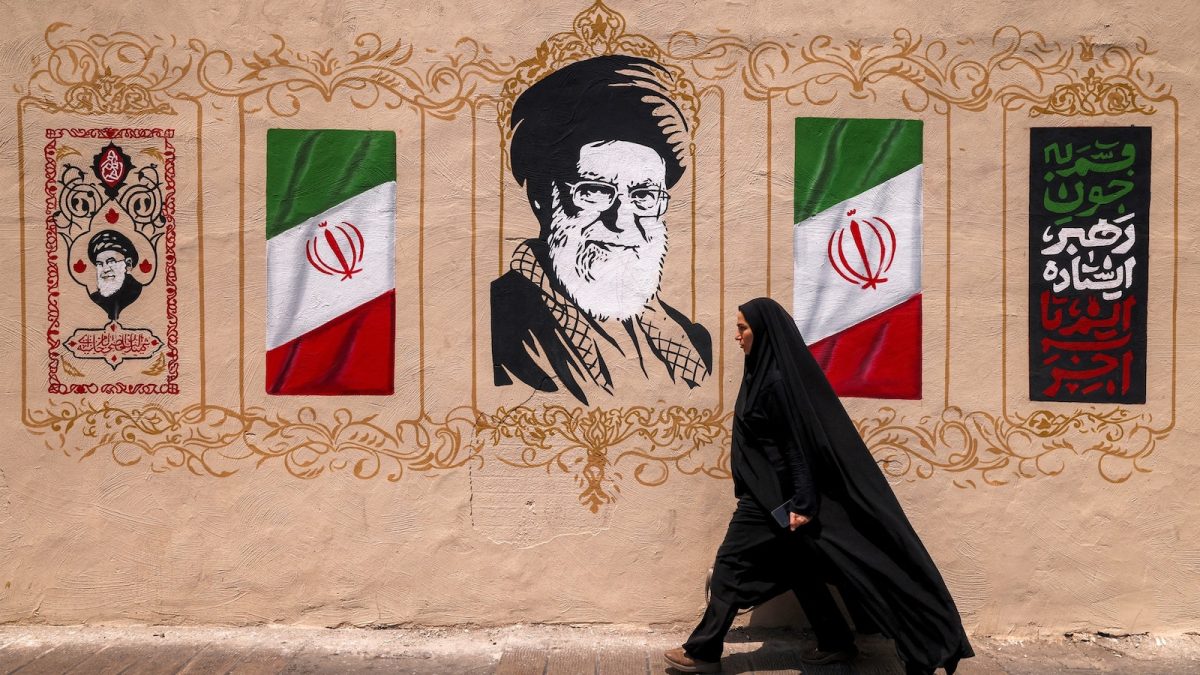
Image caption: A woman walks past a mural depicting Iran’s late supreme leader Ali Khamenei at Valiasr Square in central Tehran on Aug. 8, 2026. (Atta Kenare/AFP via Getty Images)
Related Reading
Frequently Asked Questions
What is Iran executes protesters in public as regime?
Iran executes protesters in public as regime is the main topic of this guide. The article explains the context, practical details, and next steps readers should understand.
Why does Iran executes protesters in public as regime matter?
Iran executes protesters in public as regime matters because readers are looking for a useful answer, not just a short summary. Good content should match search intent and help them decide what to do next.