Backlash to data centers could cost GOP a Senate seat in Ohio, Republicans warn

Daftar Isi
GOP Senate Campaign Committee Sounds Alarm Over Data Center Backlash in Ohio Race
Tyunews.com – The National Republican Senatorial Committee has issued an internal memo warning that public anger over data centers could undermine the party’s ability to hold onto Sen. John Husted’s Ohio seat come November. The memo, addressed to artificial intelligence firms operating in the state and obtained by ABC News, describes the contest between Husted and his Democratic challenger, former Sen. Sherrod Brown, as a “dead heat” based on private polling data.
The Memo’s Central Warning
According to the document, Ohio ranks among the nation’s leading states in constructing what the memo calls “AI factories.” Brown has positioned his opposition to these facilities as the core pillar of his campaign against Husted, and the committee concedes the strategy is effective.
“More than any other thing in race, data centers are the anchor hanging around Husted’s neck. If he loses and data centers get the blame, politicians across the country will take notice — and they will not go near the next one.”
The memo further notes that Brown has sought to link Husted—who served as Ohio’s lieutenant governor before his Senate appointment—to the tax incentives granted under Republican Gov. Mike DeWine’s administration.
Democratic Response and Policy Moves
Tony Wen, spokesman for the Ohio Democratic Party, told reporters that Ohioans “will hold [Husted] accountable” for rising utility costs tied to data center operations.
In May, DeWine suspended new tax exemptions for data center projects. Separately, Husted introduced legislation in the Senate that would oblige states to establish standards ensuring data centers fund their own power generation and that costs for new transmission or infrastructure are not shifted onto consumers.
Industry Spending and Public Sentiment
AI companies have poured millions of dollars into congressional races and primaries, backing or opposing candidates depending on their stance toward artificial intelligence regulation. The industry is heavily invested in the 2026 midterms as government regulatory questions loom.
A Gallup poll conducted this spring found that 71% of Americans oppose building AI data centers in their own communities. Respondents cited worries about quality of life, local economies, resource depletion, pollution, water consumption, electricity bills, and AI broadly.
Ohio itself hosts more than 200 data centers—the fifth-largest concentration in the country, per the Ohio Consumers’ Counsel. These facilities house thousands of computer servers and demand vast quantities of land, cooling water, and electricity, potentially overloading local grids while generating relatively few long-term jobs relative to their physical footprint.
Trump Weighs In
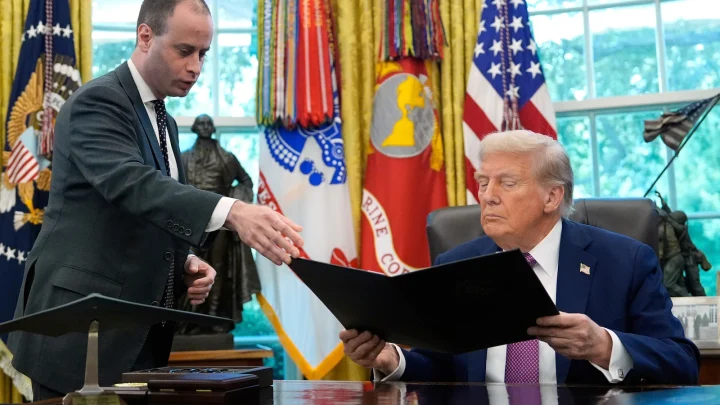
At a cryptocurrency event at the White House on Wednesday, President Donald Trump urged local leaders to welcome data centers, though he acknowledged they might benefit from “a little public relations help.”
“And I can say, if I were the mayor of a town or the governor of a state, and I had a chance to get a big plant in an AI plant or a data center, I would absolutely want it because the jobs are enormous and the money paid, the taxes paid are just enormous.”
“And if you don’t take it, you’re going to be left behind because there are plenty of places that want it.”
Context and Recent Events
The new GOP memo emphasizes construction-related concerns and points to recent Trump administration policies encouraging developers to commit to self-generated power so that consumer utility rates do not spike.
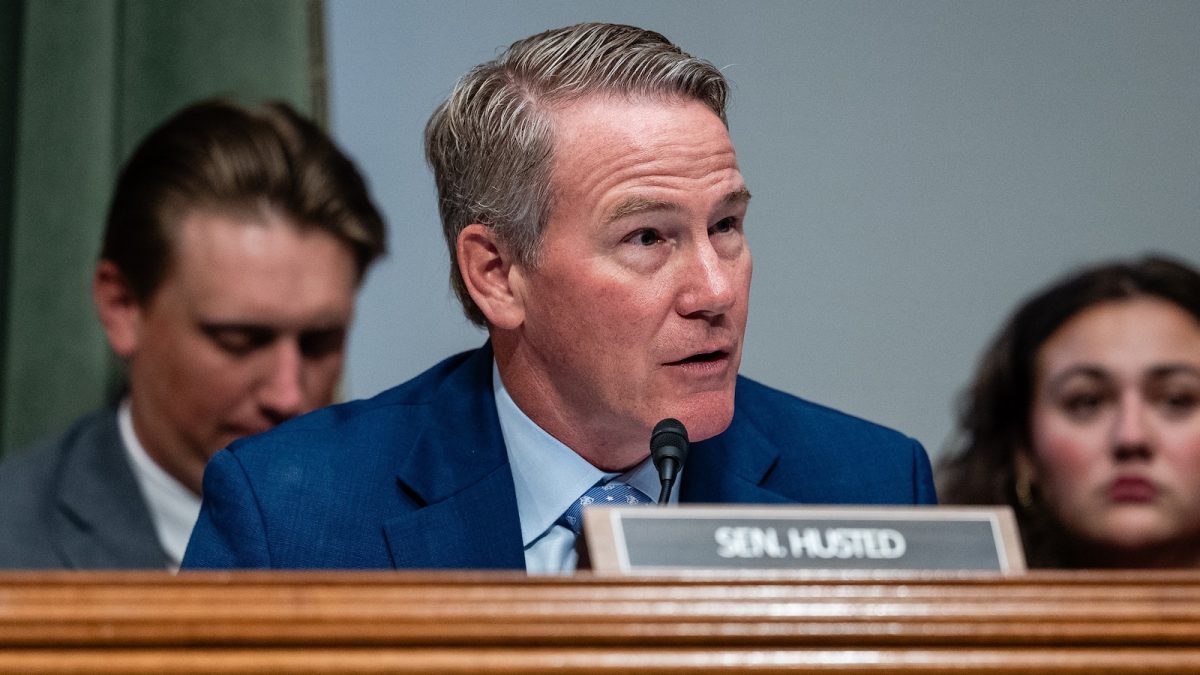
The political stakes were underscored by a December 2025 fire at the Bitdeer Technologies Group cryptocurrency mining data center under construction in Massillon, Ohio. Meanwhile, Husted appeared before the Senate Health, Education, Labor and Pensions Committee on July 16, 2026, for the confirmation hearing of Keith Sonderling as acting U.S. Secretary of Labor. Brown, for his part, was photographed at an election-night event in Cleveland on May 5, 2026, during a primary contest.
Related Reading
Frequently Asked Questions
What is Backlash to data centers could cost?
Backlash to data centers could cost is the main topic of this guide. The article explains the context, practical details, and next steps readers should understand.
Why does Backlash to data centers could cost matter?
Backlash to data centers could cost matters because readers are looking for a useful answer, not just a short summary. Good content should match search intent and help them decide what to do next.