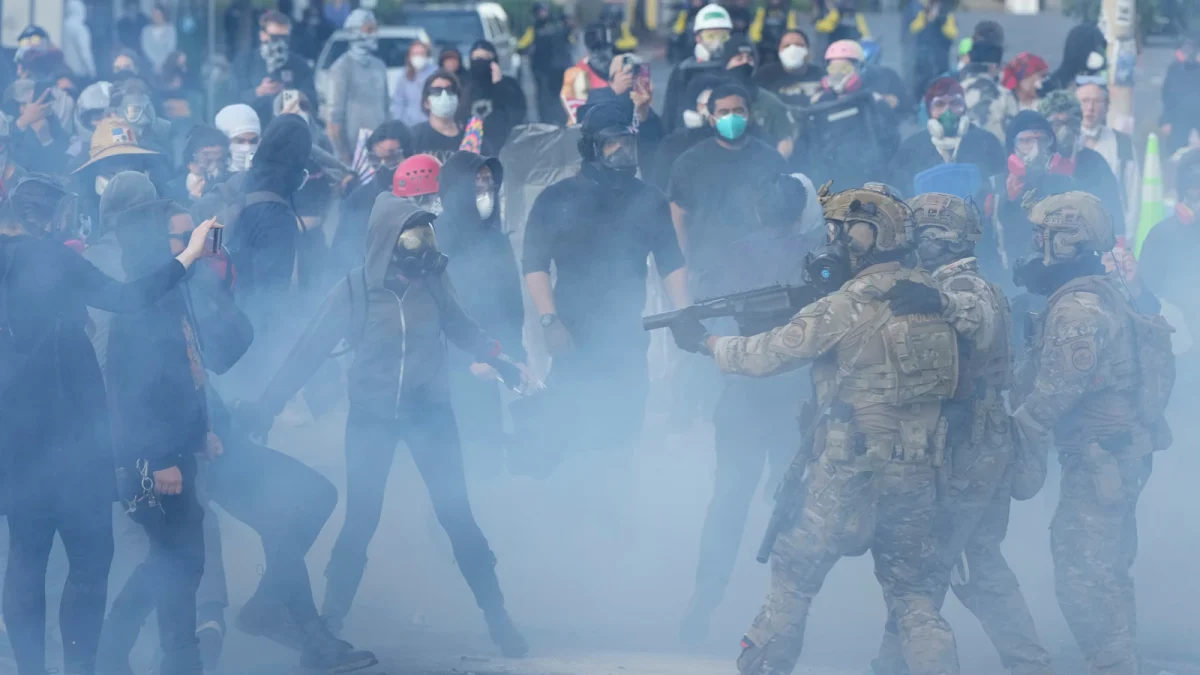
Anti-ICE Protester Sentenced to 30 Months in Prison
Tyunews.com – Robert Jacob Hoopes, an anti-ICE protester, has been sentenced to 30 months in prison for assaulting a federal officer during demonstrations at the U.S. Immigration and Customs Enforcement (ICE) facility in Portland, Oregon. The ruling, delivered on Thursday, came after Hoopes pleaded guilty to aggravated assault using a dangerous weapon, a charge tied to his actions during a June protest. This marks a significant moment in the ongoing conflict between protesters and federal authorities in the city, which has been a focal point for opposition to Trump-era immigration policies.
Details of the Assault and Legal Consequences
According to court records, Hoopes hurled a rock at an ICE officer during a protest, striking the officer’s head and causing a wound above their eye. The incident, which occurred in June, led to a plea agreement and a conviction for aggravated assault. As part of his sentence, Hoopes will serve three years of supervised probation and is required to pay over $8,000 in compensation for damages caused. This outcome underscores the legal repercussions faced by those who engage in confrontational actions during anti-ICE protests, particularly when targeting federal personnel.
Broader Context of Portland Protests
Portland has become a hub for anti-ICE activism, with protests against the agency’s strict deportation policies drawing large crowds since last fall. The city’s ICE building has been a frequent site of demonstrations, often marked by clashes with law enforcement. While some protesters have been arrested, others have faced charges related to their actions. The recent sentencing of Hoopes adds to a growing list of individuals who have been held accountable for aggressive tactics during these rallies.
“Today’s message is clear — violence is not a protest,” remarked Scott Bradford, the U.S. Attorney for the District of Oregon. “When you cross the line and assault a federal officer, you will be prosecuted.”
The U.S. Justice Department has been actively pursuing cases involving anti-ICE protesters, particularly those who use physical force against federal agents. This strategy has led to charges in multiple cities, including Chicago and Los Angeles, where similar incidents have occurred. Hoopes’s case highlights the department’s commitment to enforcing laws against individuals who disrupt immigration operations through confrontational behavior.
Earlier this year, another Portland protester, Trenten Edward Barker, received an 18-month prison sentence for burning a federal building. Barker admitted to throwing a lit flare onto debris near the ICE facility, causing thousands of dollars in damage. This incident, while not involving direct assault on an officer, demonstrates the varied tactics employed by anti-ICE activists and the legal responses they face.
Other Portland protesters have also been charged with assaulting federal officers, though not all have received convictions. Three individuals among four others faced such charges but were dismissed by the court. Two trials have taken place, with one concluding in a mistrial and another involving a defendant challenging a one-year probation sentence due to non-compliance and causing a commotion. These cases reflect the complex legal landscape surrounding anti-ICE protests and the challenges in proving guilt in contentious situations.
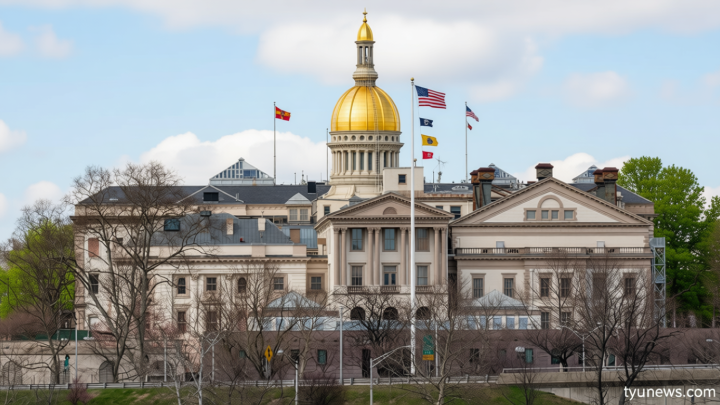
Meanwhile, the struggle between protesters and law enforcement continues to spread beyond Portland. In New Jersey, an immigration detention center recently became a new battleground, resulting in multiple arrests. These incidents indicate a nationwide pattern of heightened tensions between anti-ICE advocates and federal authorities, as protests intensify in response to policies perceived as harsh or unjust. Hoopes’s sentence serves as a reminder of the consequences for those who take to the streets with intent to challenge ICE through direct action.