Iran Live Updates: Israel to Stay in Lebanon Amid U.S.-Iran MOU
Tyunews.com – Following the announcement of a new U.S.-Iran agreement, the country’s minister has clarified that Israel will not be compelled to withdraw its military forces from Lebanon, despite the deal’s potential to ease regional tensions. The agreement, finalized after weeks of intense negotiations, aims to reduce hostilities and establish a framework for diplomatic engagement between the U.S. and Iran. However, its terms have not addressed Israel’s continued presence in southern Lebanon, raising concerns among regional observers and signaling that the conflict may persist. This development has sparked renewed discussions about the strategic implications of the MOU and its role in shaping the Middle East’s geopolitical landscape.
Key Provisions of the U.S.-Iran MOU and Regional Impact
The Memorandum of Understanding (MOU) between the U.S. and Iran outlines several commitments, including reduced sanctions on key Iranian sectors and a commitment to limit military operations in Syria. While the deal is seen as a major diplomatic achievement, it leaves critical questions unanswered regarding Israel’s operations in Lebanon. The minister’s statement underscores that the agreement is not a binding pact but rather a framework for cooperation, which may allow both sides to maneuver strategically. Analysts suggest that the U.S. sought to secure a deal that would ease pressure on Israel while maintaining leverage over Iran’s nuclear program. However, the absence of a clause forcing Israel to withdraw its forces from Lebanon has raised eyebrows, particularly in Lebanon and among Arab allies.
“The U.S. and Iran have reached a great deal,” Trump stated, signaling a shift in diplomatic efforts. However, the agreement does not compel Israel to depart Lebanon, according to the minister’s clarification. This omission has led to speculation that the deal was crafted to accommodate Israel’s strategic interests while appeasing U.S. allies in the region.
Israel’s Military Presence and the Role of the MOU
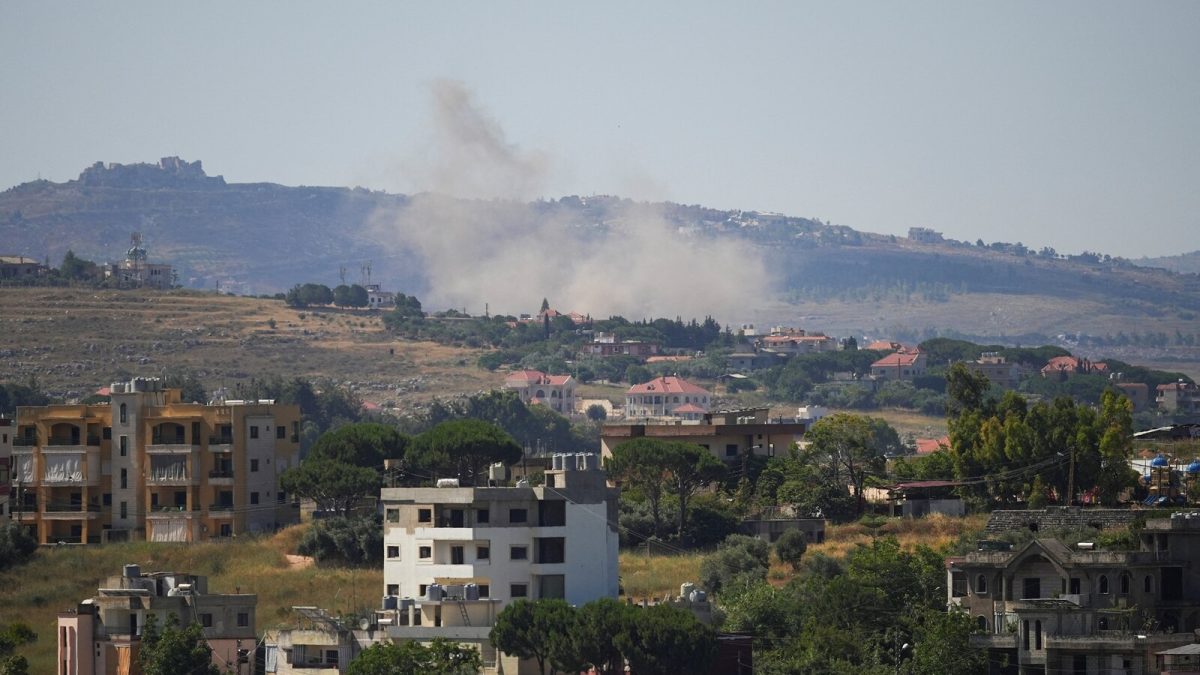
Israel’s military operations in Lebanon have been a longstanding point of contention, with the country maintaining a significant presence in the south to deter Hezbollah and ensure regional security. The MOU, however, has not mandated a reduction in this presence, leaving the status quo intact. This decision has been criticized by some as a strategic compromise, as it allows Israel to retain its foothold in Lebanon while the U.S. pursues broader diplomatic goals. The agreement also includes provisions for increased dialogue between the U.S. and Iran, which could pave the way for future cooperation on issues such as nuclear proliferation and regional conflicts. Yet, the lack of progress on Israel’s military posture has drawn criticism from Lebanese officials and neighboring countries.
Meanwhile, the MOU has been met with mixed reactions. While some view it as a step toward de-escalation, others argue that it may inadvertently embolden Iran to continue its influence in the region. The U.S. and Iran have emphasized their shared interest in stabilizing the Middle East, but the continued Israeli presence in Lebanon has raised concerns about the deal’s effectiveness. As the agreement takes effect, its long-term implications will be closely watched by diplomats, military analysts, and regional leaders, all of whom are eager to see whether it will lead to lasting peace or further complications.
Historical Context and Ongoing Tensions
The U.S.-Iran MOU comes at a critical juncture in the region, where tensions have been high for years. Since the 2015 Iran nuclear deal, Israel has maintained a cautious but active stance in the region, particularly in southern Lebanon, to counter Iranian-backed groups like Hezbollah. The agreement’s terms, which include a pause in U.S. sanctions and a commitment to limit Iranian military activities, have been praised as a diplomatic breakthrough. However, the minister’s statement highlights that the deal does not resolve the issue of Israel’s military operations, which remain a key sticking point for Lebanon and its allies. This suggests that while the MOU addresses some concerns, it does not fully satisfy all parties, leaving the potential for renewed conflict.
Additionally, the agreement has been viewed as a strategic move by the U.S. to reassert its influence in the Middle East and to provide Israel with a measure of reassurance. Despite the deal, the region continues to face challenges, including the ongoing conflict in Syria and the potential for further tensions with Iran. As the U.S. and Iran work to implement the MOU, the international community will be monitoring its impact on regional stability and the broader geopolitical balance.