Democratic Socialists Capitalize on Political Fatigue for Midterm Wins
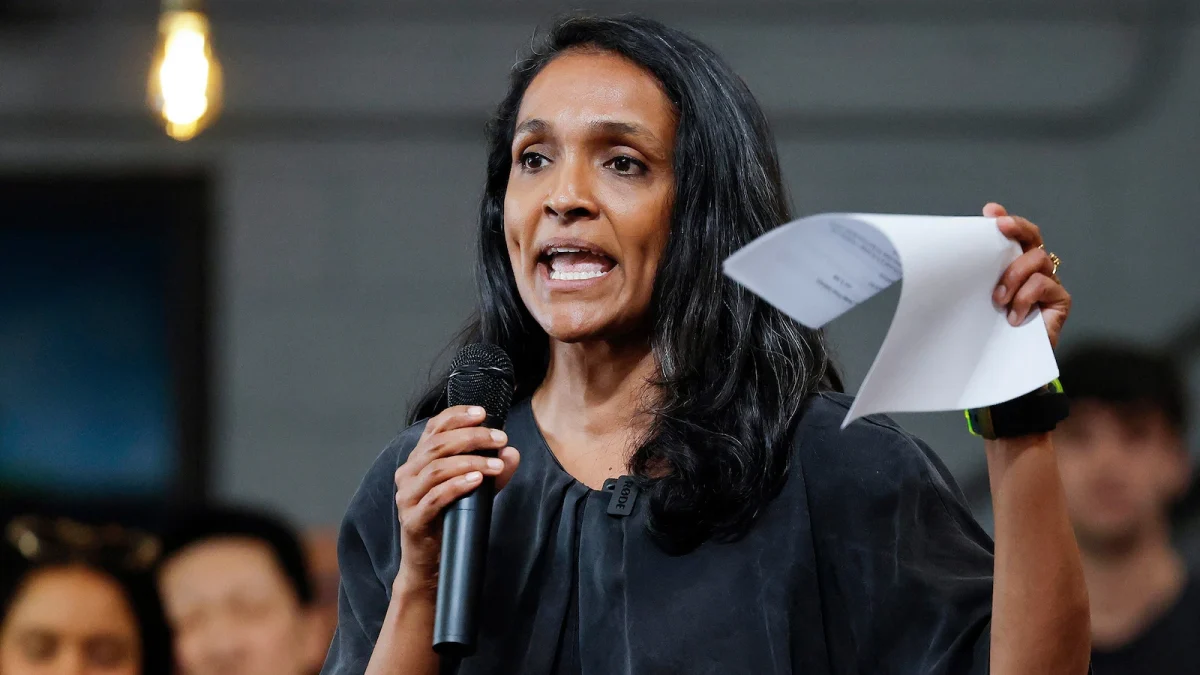
Tyunews.com – Amid growing public disillusionment with traditional political structures, democratic socialists are positioning themselves as potential contenders for key midterm victories. The movement’s focus on economic inequality and systemic change has gained traction as voters seek alternatives to mainstream parties. This sentiment is underscored by recent developments, such as Janeese Lewis George’s primary win in Washington, D.C., which has sparked conversations about how political fatigue could reshape electoral outcomes. Democratic socialists think fatigue with mainstream politics has created an opening for their ideas to resonate more strongly than ever, especially in races where established candidates face scrutiny over their policies and performance.
Survey Data Reflects Growing Support for Socialist Ideals
Recent polling data reinforces the movement’s increasing appeal. A Fox News survey found that 38% of voters now support moving toward socialism, a six-point rise from 2022 and the highest recorded figure to date. This shift is notable, as it aligns with a broader pattern of public sentiment toward capitalism. Nearly half of respondents indicated that capitalism is not functioning well, suggesting a critical view of the current economic system. The survey also highlighted generational divides, with 53% of voters under 30 expressing a preference for socialism over capitalism, driven by concerns about healthcare, housing, and income disparity.
While these numbers signal optimism, some analysts caution that voters may not fully grasp the nuances of socialist policies. Emily Ekins, a Cato Institute researcher, noted that young people often associate socialism with bold solutions but may lack detailed knowledge of its implementation. “They want a fair economy, but don’t fully grasp the implications,” Ekins said, emphasizing the need for clearer communication. As democratic socialists think fatigue with mainstream politics could drive more support, they face the challenge of translating abstract ideals into relatable platforms.
Historical Momentum and Recent Setbacks
The Democratic Socialists of America (DSA) experienced a significant surge in 2018, when progressive figures like Alexandria Ocasio-Cortez and Ilhan Omar captured congressional seats. This momentum, however, has faced challenges in recent years, including Bernie Sanders’ second consecutive loss in the Democratic presidential race and the defeat of prominent DSA members such as Cori Bush and Jamaal Bowman. Despite these setbacks, the movement has maintained its foothold in local elections, with candidates like Chris Rabb in Pennsylvania and Nithya Raman in Los Angeles demonstrating resilience.
Democratic socialists think fatigue with mainstream politics has led to a realignment in electoral strategies. While some lawmakers remain cautious, others are embracing the movement’s message. For instance, Francesca Hong, a democratic socialist running for Wisconsin governor, has emphasized the importance of connecting with younger voters who are increasingly vocal about economic inequality. “We’re showing there’s a path,” Hong stated, highlighting how the movement’s focus on social justice and public ownership could attract a broader base. Yet, skepticism from figures like Senate Minority Leader Chuck Schumer and Maryland Senator Angela Alsobrooks underscores the ongoing debate over the movement’s viability in the general election.
Adapting Strategies to Reach New Voters
To broaden their appeal, democratic socialists are refining their messaging to address both policy and public perception. Francesca Hong, for example, has stressed the need to engage new demographics by highlighting practical benefits of socialist policies, such as universal healthcare and affordable housing. Similarly, Janeese Lewis George has framed her campaign as a response to the growing dissatisfaction with the status quo. “The socialist label isn’t a barrier—it’s a platform,” she said, pointing to the movement’s ability to tap into voter frustrations.
These efforts are part of a larger strategy to leverage public fatigue with mainstream politics. By focusing on issues like job creation, climate action, and racial equity, democratic socialists aim to present themselves as the alternative to partisan gridlock. Their success in primary elections has also demonstrated their ability to mobilize grassroots support, which could translate into greater visibility in the general election. As the midterm landscape unfolds, the movement’s ability to sustain this momentum will be key to their long-term influence.
Political Climate and Electoral Opportunities
The current political climate has created an environment where democratic socialists can thrive. With voters increasingly critical of both major parties for their handling of economic crises and social issues, the movement’s emphasis on systemic change offers a compelling message. In districts where candidates from the Democratic establishment face challenges, such as corruption or policy rigidity, democratic socialists think fatigue with mainstream politics could open new doors. This is particularly evident in cities like Washington, D.C., where Janeese Lewis George’s victory has ignited discussions about the potential for socialist representation at the federal level.
Experts note that the movement’s growth is not just about ideology but also about addressing real-world problems. “Democratic socialists are tapping into a desire for concrete solutions,” said one political analyst, who pointed to the recent push for public infrastructure investment and progressive tax reforms. As the midterms approach, the intersection of public fatigue and policy innovation could determine the movement’s impact on national politics. Their ability to bridge grassroots activism with electoral strategy will be crucial in translating momentum into tangible results.
Broader Implications for the 2024 Midterms
The rise of democratic socialists in the political arena has broader implications for the 2024 midterms. If they can maintain their momentum, they could reshape the balance of power in key states and cities. The movement’s focus on social welfare and economic equity aligns with the concerns of many voters, particularly in urban areas where progressive policies have gained traction. However, challenges remain, including the need to build coalition support and counter perceptions of socialism as a radical or impractical alternative.
As democratic socialists think fatigue with mainstream politics could open paths to victories, their strategies will need to evolve to meet the demands of a diverse electorate. By emphasizing both ideological clarity and pragmatic solutions, they aim to position themselves as a viable option in the upcoming elections. The success of their message will ultimately depend on their ability to connect with voters at a time of heightened political uncertainty and economic anxiety.