Judge Orders Pentagon to Lift NYT Escort Policy
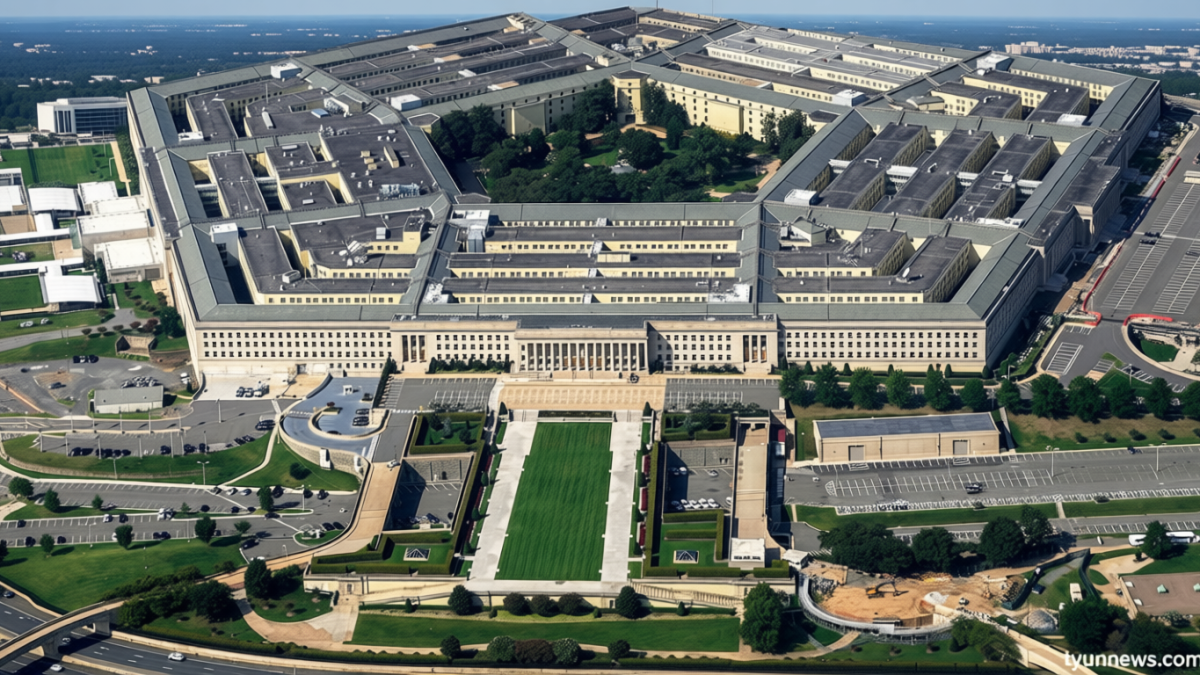
Tyunews.com – U.S. District Judge Paul L. Friedman has mandated the Pentagon to halt its rule requiring The New York Times journalists to be accompanied by an official escort, marking a significant victory for press freedom. The decision, issued on Tuesday, temporarily suspends the policy as part of the ongoing legal battle between the newspaper and the Defense Department. This move aligns with the judge’s earlier rulings that challenged the Trump administration’s attempts to restrict media access. By ordering the Pentagon to lift the escort requirement, the court has opened the door for journalists to cover military activities without additional oversight.
First Amendment at the Heart of the Dispute
Friedman’s ruling highlights the constitutional debate over government control of media access. The policy, enacted in March, was criticized for limiting the ability of reporters to move freely within the Pentagon. In a statement, The New York Times spokesperson Charlie Stadtlander emphasized the importance of the decision. “Today’s ruling reinforces the First Amendment rights of journalists to report on military operations without unnecessary barriers,” Stadtlander said. The judge argued that the policy was an overreach, infringing on the public’s right to know by requiring escorts for coverage.
“The court recognized that the Pentagon’s hastily implemented escort policy directly contradicted the freedom of the press to operate independently,” Stadtlander added.
Pentagon’s Defense of Security Measures
The Pentagon has defended the escort policy, asserting that it is necessary to protect sensitive information. Pentagon spokesman Sean Parnell criticized the ruling, stating, “This decision undermines critical security protocols that ensure classified data remains secure.” While the judge’s order temporarily lifts the requirement, the appeals process is still in motion. The department plans to challenge the ruling, arguing that the policy is essential for maintaining order and preventing potential leaks. The battle between media freedom and security concerns continues as the case moves forward.
Legal Timeline and Key Developments
The dispute began in December when The New York Times sued the Pentagon over restrictions imposed by then-Defense Secretary Pete Hegseth. The lawsuit highlighted concerns about the administration’s efforts to limit media access during high-profile events. In March, the Pentagon introduced a new policy requiring journalists to be escorted by military personnel, which was later contested in court. By April, the judge ruled that the interim policy violated his earlier order, but the requirement persisted after an appeals court temporarily blocked part of his decision. The current ruling marks a pivotal moment in this legal saga.
The Times and other news outlets have adjusted their strategies, staging coverage outside the Pentagon to avoid the escort mandate. Meanwhile, the Pentagon has approved a new press corps, allowing selected journalists to enter the facility without additional constraints. This shift reflects the ongoing tension between the military’s need for security and the press’s right to operate independently. The outcome of this case may set a precedent for future media access policies under the Trump administration.