Lindsay Clancy trial puts spotlight on defense attorneys, prosecutors

Daftar Isi
After the Mistrial: The Three Lawyers Who Became Faces of a National Story
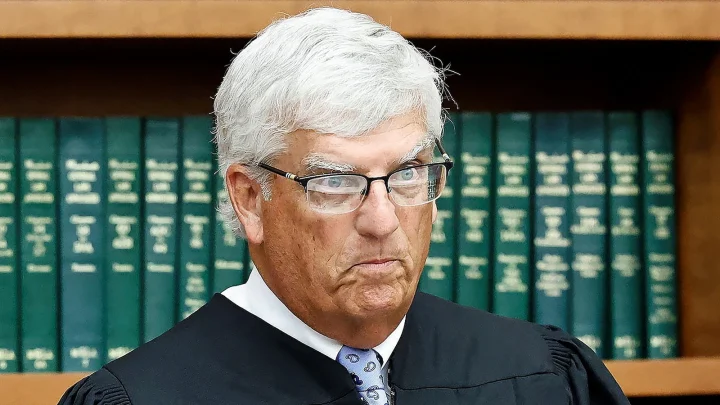
Tyunews.com – When Judge William Sullivan called for a recess on September 4, 2026, and announced that the jury could not reach a verdict after seven days of deliberation, the courtroom at Plymouth Superior Court fell silent. But outside those walls, a very different kind of noise erupted. Millions of viewers who had followed every minute of the nearly six-week Lindsay Clancy trial on television and streaming platforms suddenly found themselves fixated not on the defendant, but on the three attorneys who had spent weeks building their cases before the jury.
The mistrial — a procedural reset that sends the case back to square one without assigning blame to either side — left Plymouth County District Attorney Timothy Cruz deliberately quiet. He declined, on the day of the verdict announcement, to say whether his office would seek a retrial. All three lawyers are expected back before the court on September 29 to discuss what happens next. Until then, the public’s gaze remains locked on the legal teams themselves.
The Case at the Center of the Storm
Clancy, a mother from Duxbury — a Boston suburb roughly twenty miles southwest of the city center — pleaded not guilty to three counts of murder. The charges stem from the deaths of her five-year-old daughter Cora, three-year-old son Dawson, and infant son Callan, all found at the family home on January 24, 2023. The case drew extraordinary national attention in part because every proceeding was broadcast live, turning a suburban Massachusetts courtroom into a de facto national event.
The central legal question was whether Clancy’s mental state at the time of the killings excused criminal liability. The defense contended she was in the grip of postpartum psychosis, a rare but severe psychiatric condition that can emerge in the weeks following childbirth and may involve hallucinations, confusion, and loss of contact with reality. The prosecution maintained that Clancy acted with sufficient intent and awareness to bear full criminal responsibility for her children’s deaths.
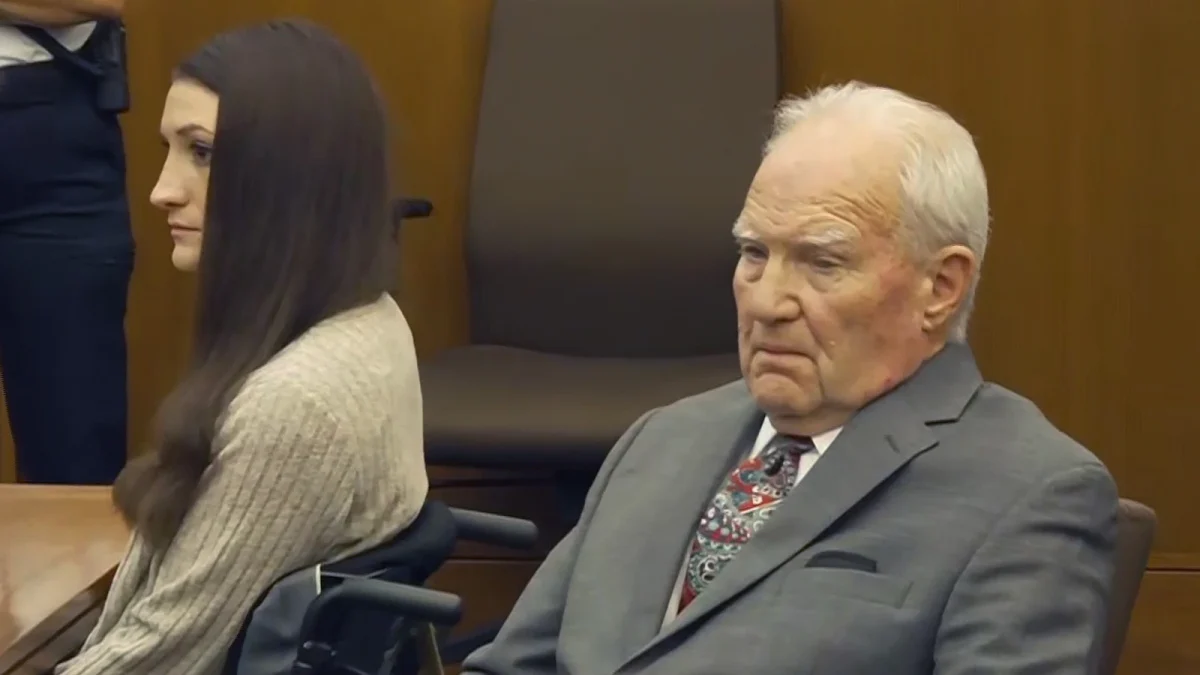
Kevin Reddington: The Defense Architect
Seated beside Clancy at the defense table throughout the trial, Reddington carried the burden of the postpartum-psychosis argument largely on his own. A criminal defense attorney in private practice based in Brockton, Massachusetts — a town approximately thirty-seven miles south of Boston — he has built a career spanning more than five decades. He earned his degree from Suffolk University Law School in 1975, and his client roster, as reflected in publicly available biographical material, stretches from high-profile organized-crime figures to ordinary citizens facing serious charges. Among his past clients is Catherine Greig, the longtime companion of former Boston mob boss Whitey Bulger.
Reddington acknowledged that his son, Patrick Reddington, also a practicing attorney, assisted on the case behind the scenes. Yet in the courtroom, it was the elder Reddington who spoke, who cross-examined, who framed the psychiatric narrative for twelve jurors.
In the hours following the mistrial declaration, surrounded by a dense cluster of reporters and onlookers, Reddington expressed genuine surprise at the scale of public fascination.
“I figured it would have some connection with people dealing with postpartum depression, postpartum psychosis, and the medical and psychiatric care. I didn’t realize it would be like this,” he said, gesturing toward the media swarm.
Jennifer Sprague: The Prosecution’s Closing Voice
On the other side of the well, Second Assistant District Attorney Jennifer Sprague has anchored the Plymouth County office’s homicide docket since joining in 2003. Her profile within the district attorney’s organization describes a supervisory role over every homicide investigation in the county, alongside all firearm and narcotics prosecutions. Over her career she has tried twenty-eight homicide cases to verdict, handled more than forty Superior Court trials, and managed what her own profile characterizes as “hundreds” of district-court matters.
Sprague graduated from New England Law Boston in 2003. In the Clancy trial she delivered the prosecution’s closing arguments, asking the jury to find Clancy guilty on all three counts. Her presence in the case elevated her visibility far beyond the usual boundaries of a county prosecutor’s work, particularly given the trial’s continuous broadcast.
Shanan Buckingham: The Family-Protection Specialist
Working alongside Sprague was Shanan Buckingham, who leads the Family Protection Unit within the Plymouth County District Attorney’s office. She has served in that office since 2011. Before joining the prosecution side, Buckingham spent three months in a prior role — details of which were cut short in available reporting — before transitioning into her current position focused on domestic and family-related criminal matters.
Her assignment on the Clancy trial placed her at the intersection of two of the office’s most sensitive caseloads: homicide and family-protection law. Together with Sprague, she constructed the prosecution’s theory that Clancy’s actions were deliberate and criminally culpable, countering the defense’s psychiatric-exculpation framework.
What Comes After September 29
A mistrial does not end a case; it suspends it. The jury’s inability to agree after seven days of deliberation means the state must decide whether to re-try the charges, negotiate a plea, or pursue some other procedural path. The September 29 court date will be the first formal opportunity for all three attorneys — Reddington, Sprague, and Buckingham — to appear before Judge Sullivan and lay out their positions. For a community in Duxbury still processing the loss of three young children, and for a national audience that watched the trial unfold in real time, that date will carry weight well beyond the four walls of Plymouth Superior Court.
Related Reading
Frequently Asked Questions
What is Lindsay Clancy trial puts spotlight on defense?
Lindsay Clancy trial puts spotlight on defense is the main topic of this guide. The article explains the context, practical details, and next steps readers should understand.
Why does Lindsay Clancy trial puts spotlight on defense matter?
Lindsay Clancy trial puts spotlight on defense matters because readers are looking for a useful answer, not just a short summary. Good content should match search intent and help them decide what to do next.