Federal judge extends block on new USPS mail ballot rules

Daftar Isi
Federal Judge Extends Block on New USPS Mail Ballot Rules
Tyunews.com – Federal judge extends block on new U.S. Postal Service mail ballot rules indefinitely, keeping the Trump administration’s contested postal regulations frozen ahead of the November midterm elections. Judge Indira Talwani issued a temporary order on Friday, finding the rules likely unconstitutional and warning that their immediate enforcement would threaten the voting rights of millions of Americans who rely on mail ballots to participate in the democratic process.
The temporary order had been scheduled to lapse on September 10, but Talwani’s ruling now remains in effect indefinitely unless a higher court grants the administration permission to implement the regulations. In her opinion, the judge described the timing as particularly dangerous: with ballots already being mailed in several states for the fall election, any disruption to the delivery process could disenfranchise voters who have no other practical means of casting their ballots.
What the Court Ordered and Why It Matters
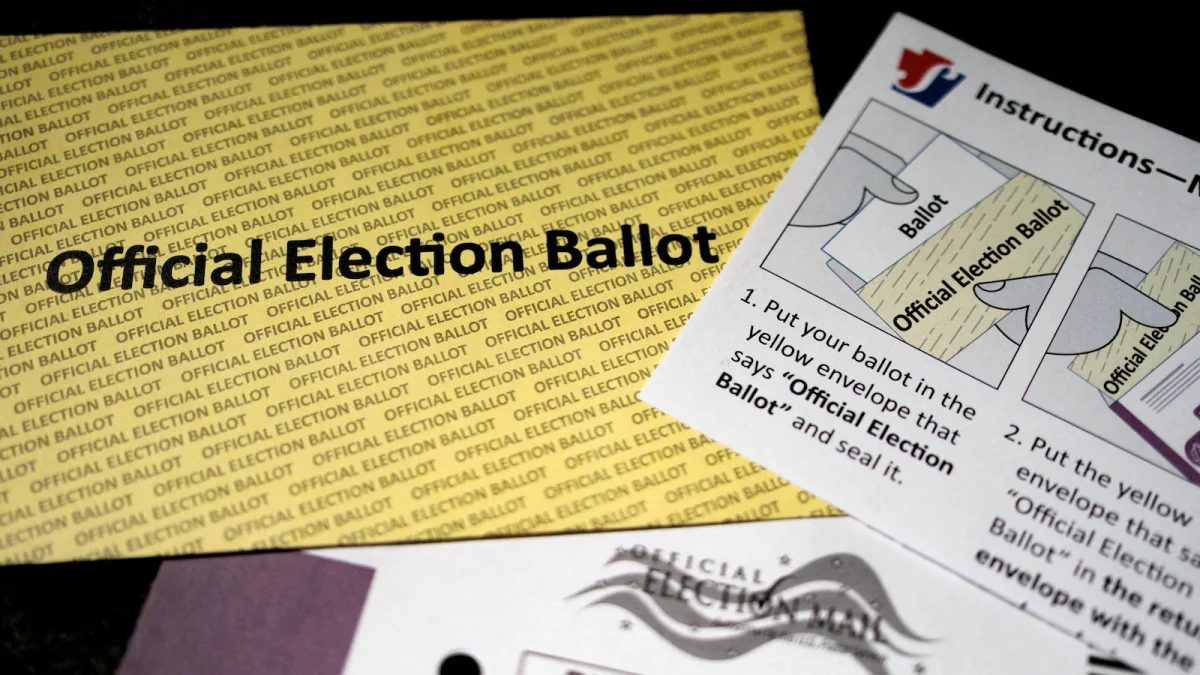
The regulations at issue would impose a uniform nationwide mail ballot design, require states to submit a voter information database to the U.S. Postal Service, and mandate that postal workers verify each recipient’s name and address against a state-provided list before delivering a ballot. Each ballot would carry a unique barcode linking it to the voter’s record. President Donald Trump’s executive order, which prompted the rules, was framed as a measure to tighten access to mail ballots and curb what the administration described as widespread mail ballot fraud.
“Nothing is hypothetical,” Judge Talwani wrote in her Friday opinion, addressing the alleged harm to states, voters, and voter advocacy groups ahead of the November election.
Dozens of Democratic state attorneys general filed suit after the regulations were published last month. An earlier challenge had been dismissed by the Supreme Court as premature because the rules had not yet been finalized. Now that the regulations are in force, Talwani determined the dispute was ripe for judicial intervention. She concluded that the rules are “unconstitutional where [they] intrude not only on Congress’s Elections Clause powers but also that power left to the States.” The ruling sharply raises the stakes for the Supreme Court, which had already been asked to weigh in on Talwani’s preliminary injunction.
The Trump administration has filed an urgent appeal with the Supreme Court, arguing the rules impose only “modest” design and review requirements and that the barcode-and-verification process is neither onerous nor intrusive. The states challenging the regulations had until Tuesday, September 8, at 10 a.m. to file formal responses before the justices rule. A decision could come as early as the following week, making every day of delay consequential for states already in the ballot-mailing window.
State officials and voter advocacy groups maintain that the new USPS regulations represent an attempt to federalize elections, which have historically been administered by individual states under the Constitution. They argue the rules would make it harder for everyday citizens to vote by mail while giving the federal government unprecedented oversight of ballot distribution and voter identity verification.
Frequently Asked Questions
What exactly does the extended block prevent? The temporary order stops the USPS from enforcing the new mail ballot design standards, the state voter-database submission requirement, and the barcode verification process until a higher court rules on the administration’s appeal. Existing state procedures for ballot production and delivery continue uninterrupted.
When will the Supreme Court decide the case? The Court has not set a firm date, but a ruling is expected within days of the states’ September 8 response deadline. Given that some states have already begun mailing ballots for the November election, timing is critical and the justices are likely to move quickly.
Does this affect voters who have already received a mail ballot? Under the extended block, ballots continue to be processed and delivered under existing state procedures. The contested federal requirements are simply not in effect while the injunction stands, so voters should expect no change to their ballot-arrival schedule.
What happens if the Supreme Court sides with the administration? If the justices lift the injunction, the USPS would be authorized to enforce the design, database, and verification requirements immediately, potentially altering how ballots are produced and delivered in the remaining weeks before Election Day.