Midterm candidates dumping debates: ‘There’s no reason to get up there and argue about differences of opinion’

Daftar Isi
Why Major Candidates Are Skipping Midterm Debates
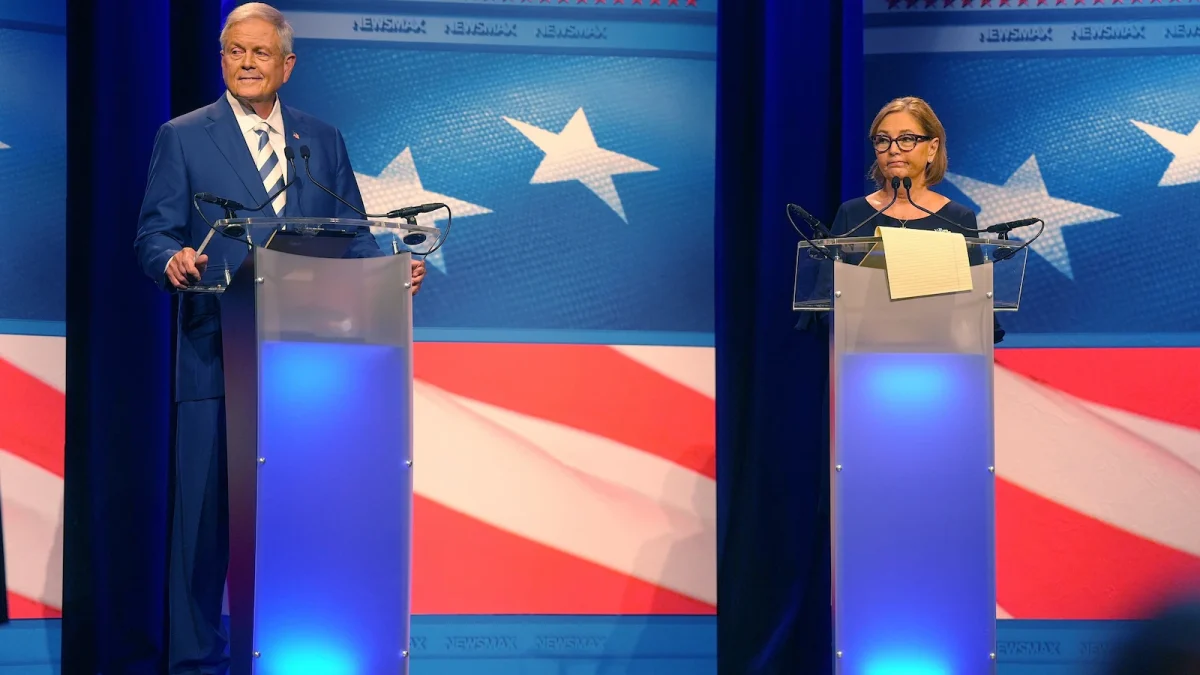
Tyunews.com – Midterm candidates dumping debates are reshaping several prominent races, potentially leaving voters without a traditional side-by-side comparison before Election Day. In contests for governor and the U.S. Senate, leading candidates are increasingly declining invitations to share a stage with their opponents.
Thirty-six governorships are being contested, and 21 races have no debate scheduled between the major-party nominees. The list includes closely watched contests in Georgia, Nevada and Ohio. The pattern also extends to Senate races: 21 of the 35 seats being decided currently have no scheduled debate involving the principal candidates, including high-profile contests in Ohio and Texas.
A More Noticeable Break From Past Elections
The decline marks a significant change from recent midterm cycles. In 2018, only two of 36 gubernatorial races proceeded without a debate, while eight governor’s races lacked one in 2022. Senate contests have followed a similar trajectory, with nine of 34 races without a major-candidate debate in 2024 and 14 of 35 without one in 2022.
Campaigns may view the decision as a way to avoid an unscripted mistake, a contentious exchange or a viral moment that distracts from their message. Critics argue that debates remain one of the few opportunities for voters to hear candidates answer the same questions under the same conditions.
Different Rationales, Similar Results
In Ohio’s governor’s race, Democrat Amy Acton has declined to debate Republican Vivek Ramaswamy. Acton said she did not want to provide a platform for what she called his “baseless lies,” referring to claims she said were false in some of his advertising. Ramaswamy has called on Acton to debate him.
In Alabama, Republican Sen. Tommy Tuberville, who is running for governor, has chosen not to debate Democrat Doug Jones. Tuberville described the candidates as having fundamentally different views, while Jones has continued to press for debates.
“There’s so much difference between us. I mean, there’s no reason to get up there and argue about differences of opinion.”
In Texas, Republican Ken Paxton and Democratic state Sen. James Talarico have not yet settled plans for a Senate debate. Paxton had previously committed to debate Talarico, but WFAA had not received a response from Paxton’s campaign about hosting an event. Talarico later challenged Paxton to debate on Fox News.
Arizona Renews a Familiar Dispute
Arizona Gov. Katie Hobbs is again declining to debate in her reelection campaign. In 2022, Hobbs proposed separate televised interviews for herself and Republican Kari Lake; Lake rejected that approach, and Hobbs did not participate in a debate. This cycle, Hobbs’ campaign has argued that direct meetings with voters are more valuable than an event centered on brief exchanges and political theater.
“Face-to-face engagement with Arizonans is more effective than a stage designed for short soundbites and political theater.”
Midterm candidates dumping debates can still appear at town halls, forums, interviews and campaign events. Those formats may give voters useful information, but they do not always create the same direct contrast offered by a debate, where opponents address identical questions in real time.
FAQ: What Skipped Debates Mean for Voters
Why do candidates choose not to debate?
Candidates may believe the risks outweigh the benefits. A debate can produce difficult exchanges, unplanned answers and moments that quickly spread online, while other campaign appearances allow greater control over messaging.
How can voters compare candidates without a debate?
Voters can review candidate interviews, policy statements, public forums, local news coverage, town halls and official campaign materials. Comparing each candidate’s positions on the same issues can help replace some of the direct contrast normally provided by a debate.
Are debates required in statewide races?
No. Debates are generally voluntary campaign events arranged through agreements among candidates, campaigns and sponsoring organizations. A candidate’s refusal can prevent a traditional head-to-head event from taking place.