25 years later, Michael Strahan recalls days after 9/11

Daftar Isi
Michael Strahan Reflects on New York’s Resolve 25 Years After 9/11
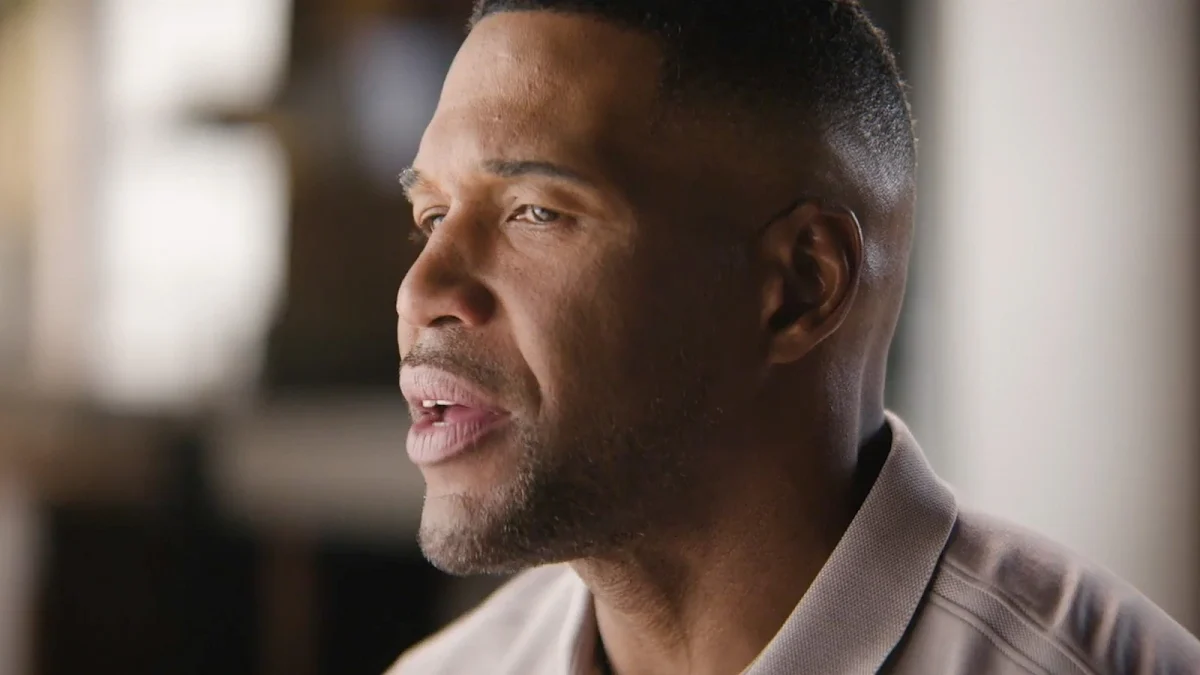
Tyunews.com – For Michael Strahan, the memory of Sept. 11, 2001 remains rooted in a view from his home in Montclair, New Jersey. Looking toward Manhattan that morning, he saw the first World Trade Center tower burning—an image that permanently changed the way many New Yorkers understood their city and their lives.
Strahan, who later became a co-anchor of “Good Morning America,” had already built a deep connection with New York through football. Drafted by the New York Giants, he spent all 15 seasons of his NFL career with the franchise. He has said he did not anticipate making New York City his home, but the city became central to his life after he arrived as a young player.
His recollections are part of “9/11: United We Stand — 25 Years Later,” a television special examining the ways sports, music and entertainment figures responded in the aftermath of the attacks. The program is scheduled to air Tuesday, Sept. 1, at 9 p.m. ET, with streaming availability the following day on Disney+ and Hulu.
Football’s Response in a Time of Grief
In the immediate aftermath of the attacks, professional football faced a difficult question: whether games should go forward during a period of national mourning. Strahan was among the NFL players who favored canceling that weekend’s schedule as a gesture of respect for those killed.
The league’s response extended beyond the decision to pause games. Players and teams took part in a wider effort to provide relief and support to victims, survivors and families affected by the disaster. For Strahan, the instinct was to act collectively rather than remain apart from the suffering unfolding nearby.
“What were we gonna do? Sit at home? No, we wanted to collectively get together and offer whatever kind of assistance that we could at Ground Zero,” Strahan said. “That’s the biggest show that we wanted to give them, was a show of respect.”
That sense of responsibility was shared across professional sports. Athletes and coaches were suddenly operating in a public space shaped by grief, uncertainty and a need for reassurance. Their games could not erase the loss, but their visibility gave leagues an opportunity to support communities and demonstrate solidarity.
The Yankees and a City Seeking Relief
Baseball became one of the most visible expressions of that shared resolve during the fall of 2001. The New York Yankees reached the World Series little more than a month after the attacks. Although the team did not win the championship, its postseason run carried meaning that reached beyond the field for many people in the city.
Derek Jeter, then the Yankees’ shortstop, described the role of the team in simple terms: offering a moment of happiness to a city still struggling with the trauma of Sept. 11.
“It became more than just playing baseball,” Jeter said. “Our job was to bring joy, especially to New York at that time.”
Sports columnist Selena Roberts, who was working at The New York Times at the time, said players and coaches understood that their public role had changed after the attacks. In her view, the major leagues recognized that their audiences were looking for more than competition.
“After Sept. 11, players and coaches absolutely knew that they had a platform and a responsibility to be there for the public, and I think in so many ways, really did help heal people,” Roberts said.
The period illustrated why sports can carry unusual emotional weight during a crisis. Stadiums and arenas are often places where strangers gather around a common experience. In 2001, that collective ritual offered New Yorkers occasions to mourn, remember and briefly reconnect with ordinary life.
Music Brings Artists Together at Madison Square Garden
Music also became a vehicle for remembrance and fundraising. On Oct. 20, 2001, Madison Square Garden hosted The Concert for New York City, a major benefit organized by Paul McCartney to honor victims of the World Trade Center attacks and support first responders.
The event assembled an unusually broad group of performers, including David Bowie, Mick Jagger, Jon Bon Jovi, Billy Joel and McCartney. At a moment when the country was searching for words equal to its grief, familiar songs and performances created a space for public emotion and support.
Bon Jovi later reflected on why “Livin’ on a Prayer” resonated in that setting. Its message of people enduring hardship together took on a deeper meaning for an audience confronting collective loss.
“‘We got each other and that’s a lot.’ That’s what it is, right?” Bon Jovi said. “In that moment in time, when you felt helpless, to have a lyric that is about just simple unity and faith.”
The concert’s fundraising purpose was matched by its symbolic importance. It brought artists, emergency responders and New Yorkers into a shared public setting at a time when many people were still attempting to process what had happened.
Entertainment’s Return and the Value of Art
Television personalities also faced the question of when it was appropriate to return to normal programming. David Letterman, whose CBS program became the first late-night show to resume after the attacks, used his first broadcast back to address the national mood directly.
“There’s only one requirement of all of us, and that is to be courageous,” Letterman said.
For audiences, the return of late-night television, sports and live music did not signal that the tragedy had been forgotten. Instead, those moments helped reestablish familiar forms of connection while preserving room for mourning.
Author and music critic Anthony DeCurtis recalled that, in the days after 9/11, people wondered whether listening to music or attending the theater still made sense. He argued that art matters especially when people are trying to confront experiences that feel overwhelming.
“At moments like that, you know, you want artists who are going to help us understand and come to terms with the things in our lives that are the most frightening things,” DeCurtis said.
Twenty-five years later, Strahan’s memory of the burning tower reflects both the personal and public dimensions of Sept. 11. The response from athletes, performers and broadcasters did not lessen the scale of the tragedy. But through charity, public gatherings, competition and art, they helped create moments of unity for a city and a nation seeking a path forward.
Related Reading
Frequently Asked Questions
What is 25 years later Michael Strahan recalls?
25 years later Michael Strahan recalls is the main topic of this guide. The article explains the context, practical details, and next steps readers should understand.
Why does 25 years later Michael Strahan recalls matter?
25 years later Michael Strahan recalls matters because readers are looking for a useful answer, not just a short summary. Good content should match search intent and help them decide what to do next.