Lindsay Clancy murder trial: Judge denies request to question holdout juror

Daftar Isi
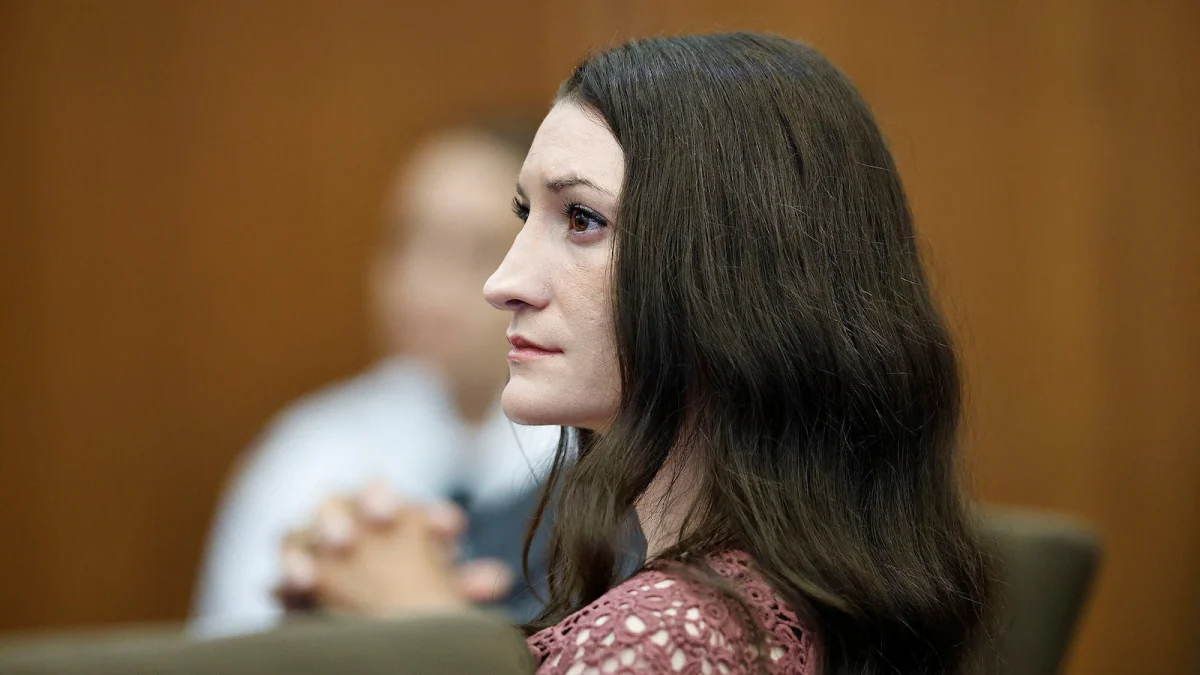
Judge Denies Request to Question Holdout Juror in Lindsay Clancy Murder Trial
Tyunews.com – A Massachusetts judge has denied a defense request to question the juror identified as the holdout after the first Lindsay Clancy murder trial ended in a mistrial. The ruling leaves the criminal case unresolved and limits the defense’s planned inquiry ahead of Clancy’s next scheduled court appearance on Nov. 2.
Judge William Sullivan issued the decision Wednesday, declining to allow Clancy’s attorneys to question the juror at the upcoming hearing. The defense had sought an opportunity to examine the juror’s conduct after the panel was unable to reach a unanimous verdict in the triple-murder case.
First Trial Ended Without a Verdict
The prior trial concluded in a mistrial after jurors failed to agree unanimously on a final outcome. In a criminal trial, jurors generally must reach a unanimous decision before a defendant can be convicted or acquitted. When a jury remains deadlocked, the court can declare a mistrial rather than require a verdict that the full panel does not support.
Clancy faces allegations that she killed her three children. The mistrial did not dismiss the charges, establish guilt, or clear Clancy of the accusations. Instead, it brought the first phase of the proceedings to an end without a legally binding verdict.
The result means the case remains pending. Prosecutors and defense attorneys can continue addressing the legal issues that follow a mistrial, including how and when the matter may proceed in court. The judge’s latest ruling concerns the requested questioning of a juror, not the underlying allegations or the evidence presented during the first trial.
Why the Defense Sought to Question a Juror
Defense lawyers asked to question the juror whose position reportedly prevented the jury from reaching unanimity. Their request was expected to be considered in connection with Clancy’s Nov. 2 court date, but Sullivan rejected the proposed inquiry.
Courts are generally cautious about allowing post-trial questions involving jury deliberations. Jurors must be able to discuss evidence, express disagreement, and reconsider competing views without fearing outside pressure or routine scrutiny after a trial. A juror’s disagreement with other members of the panel does not by itself show misconduct.
In the Lindsay Clancy murder trial, the judge’s decision means the defense will not be permitted to pursue the requested questioning at the scheduled hearing. The ruling does not alter the fact that the first jury could not reach the unanimous decision required to resolve the charges.
What Happens After a Mistrial
A mistrial can leave a criminal case in an uncertain but active legal position. Because no verdict was returned, the allegations remain unresolved. The prosecution may decide how it wishes to move forward, while the defense continues to represent a defendant who has not been convicted or acquitted in the completed trial.
The next court hearing may address procedural matters connected to the case’s future. A hearing after a mistrial does not necessarily mean a new trial will begin immediately. The court and the parties may first need to consider schedules, motions, and other steps required before the case can advance.
For the families and community following the case, the absence of a verdict means that major questions remain unanswered. The jury heard evidence but did not produce a final decision, and the court must now manage what follows under Massachusetts criminal procedure.
Lindsay Clancy Murder Trial FAQ
What did the judge decide?
Judge William Sullivan denied the defense request to question the juror described as the holdout following the mistrial.
Does the mistrial mean the case has been dismissed?
No. A mistrial means the jury did not reach a unanimous verdict. It does not dismiss the charges or decide whether the defendant is guilty or not guilty.
When is the next hearing?
Clancy is scheduled to return to court on Nov. 2. The case remains pending following the first trial’s mistrial.
Why are courts careful about questioning jurors?
Jury deliberations are typically protected so jurors can evaluate evidence and debate their views freely. A deadlock alone does not establish that a juror acted improperly.
For now, the central development in the Lindsay Clancy murder trial is clear: the first jury did not reach a unanimous verdict, and the judge has denied the defense request to question the juror whose stance contributed to that deadlock.
Related Reading
Frequently Asked Questions
What is Lindsay Clancy murder trial?
Lindsay Clancy murder trial is the main topic of this guide. The article explains the context, practical details, and next steps readers should understand.
Why does Lindsay Clancy murder trial matter?
Lindsay Clancy murder trial matters because readers are looking for a useful answer, not just a short summary. Good content should match search intent and help them decide what to do next.