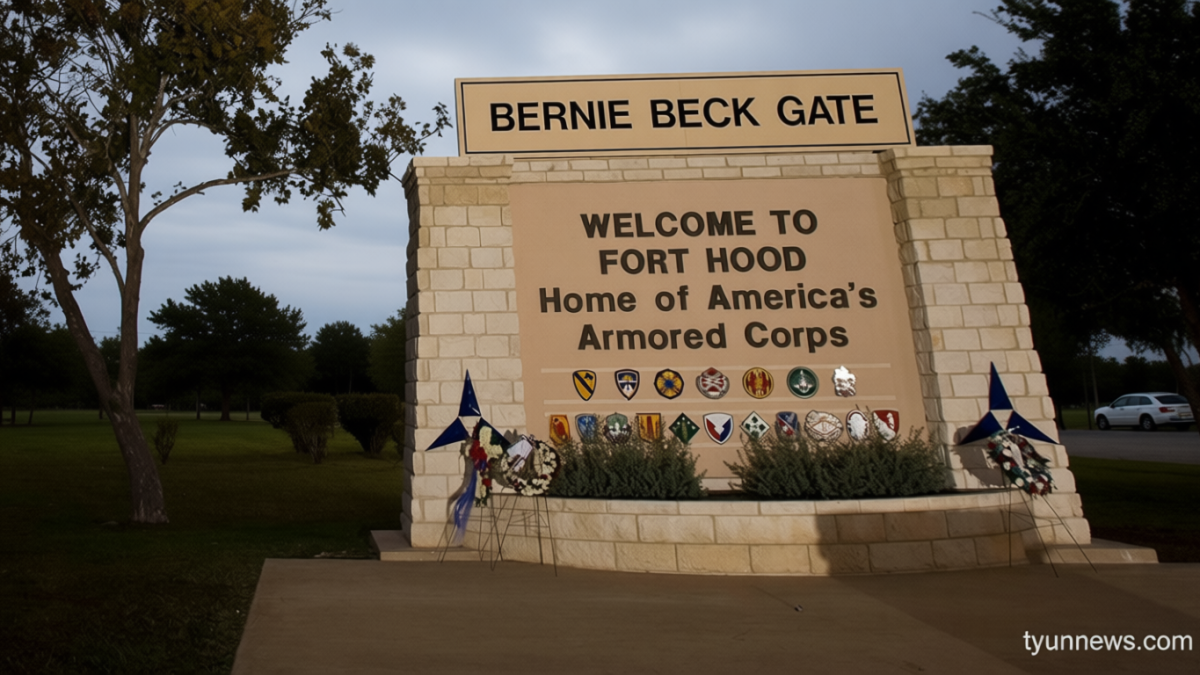
Fort Hood Dining Facility Closes After Roach Infestation
Tyunews.com – One of the Army s largest military installations is dealing with a significant dining issue. Fort Hood, which stands as one of the Army s largest bases in the nation, has temporarily shut down a major dining facility following a widespread roach infestation. A viral video that captured numerous cockroaches crawling along kitchen walls prompted officials to close the Operation Iraqi Freedom dining hall immediately. The footage, which quickly spread across social media platforms, showed disturbing images of pests moving along walls and surfaces in the facility’s kitchen area.
The video was shared by “U.S Army W.T.F! moments,” a widely followed online community that regularly highlights challenges facing active-duty personnel and veterans. This popular gathering spot for military members has become a go-to source for exposing problems at various installations across the country. The community’s post about Fort Hood drew immediate attention from both military personnel and civilian observers alike.
“Effective immediately, we are closing the Operation Iraqi Freedom dining facility to correct the situation,” Lt. Col. Joey Payton, a spokesperson for III Armored Corps and Fort Hood, said in a statement in response to the video. “The dining facility will remain closed until the problem is remediated.”
While officials have not disclosed the exact timeline of the pest problem, the incident has brought renewed focus to meal service challenges throughout the military. A still image from the social media video, dated July 22, 2026, clearly depicts cockroaches within the Fort Hood kitchen area. The image has been shared thousands of times, amplifying concerns about food safety at military installations.
Troop Impact and Systemic Challenges
Fort Hood houses approximately 34,000 soldiers and serves as the home base for the Army’s 1st Cavalry Division. As one of the Army s largest bases, the installation provides extensive dining options for its massive population. Many service members rely heavily on on-post dining facilities for their daily nutrition needs. Even though several other dining halls continue operating normally, the base’s extensive size can complicate travel between locations for troops seeking meals.
Additionally, staggered operating hours at various facilities mean that closures create particularly significant disruptions for troops. Soldiers with different schedules may find themselves unable to access dining options during their available time windows. The temporary shutdown of one major facility forces many to adjust their routines or travel to alternative locations for meals.
The Army has faced persistent challenges in delivering adequate meal services to its personnel for years. Staffing deficits, inconsistent availability of nutritious options, and scheduling misalignments have all contributed to the difficulties. Rob Evans, an Army veteran who created the Hots & Cots application, explained to ABC News that these problems extend well beyond Fort Hood. His application allows service members to rate and review dining facilities across multiple installations.
“Our reviews show the same conditions turning up across other installations, and across other services,” Evans said. “Moldy food, undercooked food and access to healthy food continue to be issues for service members as well.”
Evans also noted discrepancies between how military dining facilities maintain and share their health and safety documentation compared to civilian establishments. In response to these growing concerns, Rep. Marilyn Strickland, D-Wash., proposed an amendment to the National Defense Authorization Act. This critical legislation, which currently awaits congressional deliberation, would mandate that the Defense Department make public its inspections of military dining facilities.
During a 2025 address to soldiers, Army Secretary Dan Driscoll—a former cavalry officer and Iraq War veteran—recognized that resolving fundamental issues like food quality represents an urgent priority. “We have to take care of them, so we are fixing the basics of food and billeting,” Driscoll stated. “Our dining system is absolutely broken. It’s a poster child not only for corrupted systems, but poor quality and unhealthy food.”
The closure at Fort Hood serves as a visible example of broader challenges facing military dining operations nationwide. As one of the Army s largest bases, the installation’s actions often set precedents for other facilities. Troops and their families are watching closely to see how quickly the situation will be resolved and what measures will be implemented to prevent future occurrences.