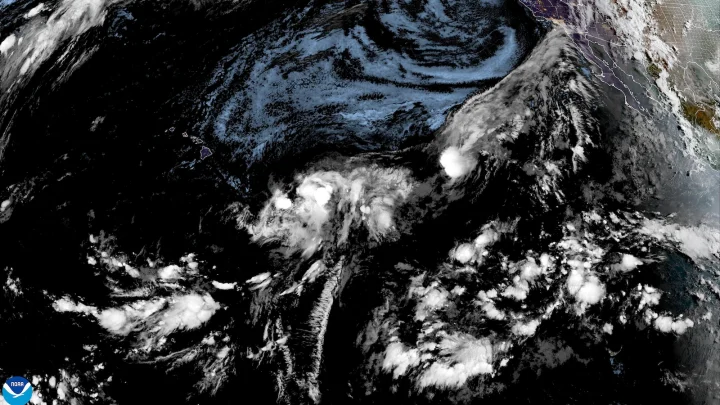
Severe weather to impact parts of US over Labor Day weekend

Daftar Isi
Labor Day Weekend Brings a Split-Screen Weather Pattern: Storms in the Southeast, Flash Flood Risk in the Southwest
Tyunews.com – The long holiday weekend that marks the unofficial end of summer is unfolding under two very different skies. While the majority of the continental United States is enjoying calm, unremarkable conditions typical of a quiet September, two distinct weather threats are carving out pockets of danger. In the Southeast, severe thunderstorms are aimed at Virginia and the Carolinas on Saturday afternoon, while in the Southwest, a renewed flash-flood risk is looming over southern Nevada, northern Arizona, and Utah on Sunday. For travelers and residents caught in either corridor, the stakes are real and the windows of danger are narrow.
Saturday Afternoon: Wind-Driven Storms Sweep the Mid-Atlantic and Coastal Carolinas
Severe thunderstorm watches have been issued for portions of North Carolina and South Carolina extending through the evening hours. The alert zone encompasses a broad swath of populated areas: Norfolk, Virginia; Raleigh, Charlotte, and Wilmington in North Carolina; and Myrtle Beach and Columbia in South Carolina. Additional cities under watch include Asheville, North Carolina, and Greenville, South Carolina.
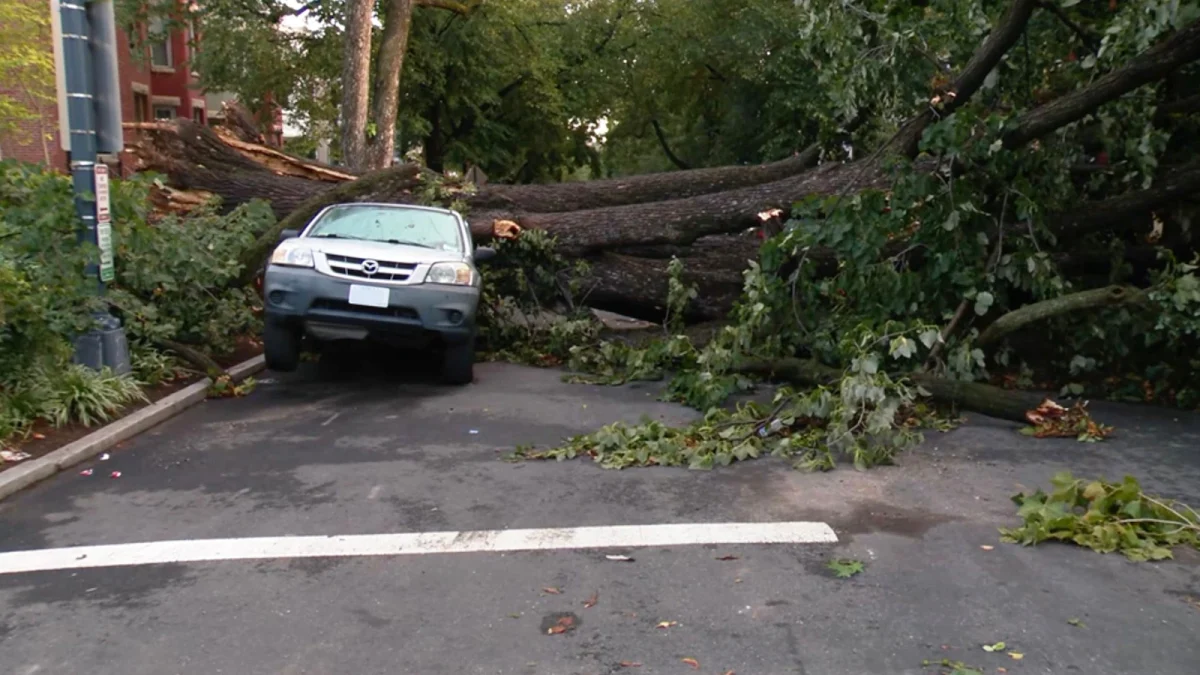
The dominant hazard from any storms that organize over these regions is not hail or tornadoes but powerful, potentially damaging wind gusts. Sustained outflow winds from rapidly rotating storm cells can topple trees, snap power lines, and send debris across roadways. Residents in the watch area should secure loose outdoor objects, avoid parking beneath large trees, and monitor local emergency-management channels through the afternoon and into the evening.
The risk is not uniform across the region. Storms tend to develop in a narrow band and shift with the flow, meaning one county may experience a brief, intense gust event while a neighboring county sees only passing showers. Still, the combination of warm afternoon moisture and a strengthening upper-level jet stream makes Saturday afternoon the highest-probability window for organized convection in this sector.
Sunday: The Threat Drifts South Toward the Lowcountry
By Sunday, the primary storm axis migrates southward into portions of South Carolina and Georgia. Cities in the path include Charleston and Columbia, South Carolina, as well as Savannah, Georgia. Damaging wind gusts remain the principal concern, but the slower-moving, more moisture-laden nature of Sunday’s systems introduces a secondary threat: localized flash flooding. Prolonged downpours from quasi-stationary storm cells can overwhelm urban drainage infrastructure within minutes, turning streets into temporary rivers and flooding low-lying roadways.
Motorists in the affected corridor should plan alternate routes, avoid driving through standing water, and allow extra travel time. The combination of gusty winds and sudden downpours can reduce visibility sharply and create hazardous driving conditions even when the storms themselves are not producing tornadoes or large hail.
Monday: A Largely Tranquil Holiday
For the Labor Day holiday itself, no organized severe-weather threat is expected across the country. The dominant pattern is one of mild, scattered showers and isolated thunderstorms that may produce brief lightning, gusty winds, and short-duration downpours in isolated locations. These isolated cells are unlikely to organize into the kind of long-lived, wind-producing systems seen earlier in the weekend. For most Americans, Monday will be a day of picnics, beach trips, and outdoor recreation with minimal weather interference.
Southwest Flash-Flood Risk Returns on Sunday
Far removed from the Southeast’s wind threat, a separate and equally serious hazard is developing in the Intermountain West. A Level 2 out of 4 flash-flood risk has been assigned to portions of southern Nevada, northern Arizona, and Utah for Sunday. The risk area encompasses several of the nation’s most-visited national parks, including Grand Canyon National Park, Zion National Park, and Bryce Canyon National Park — all of which recently endured significant flash-flooding impacts from monsoon-season storms.
A Flood Watch has been posted for Sunday across portions of Utah, covering Cedar City, Beaver, Richfield, and Price, as well as the Zion and Bryce Canyon national park boundaries. While the anticipated event is not expected to match the intensity or spatial extent of the previous monsoon outbreak, scattered thunderstorms later in the day could still deliver intense downpours and frequent lightning. Where the heaviest rain cells develop, flash flooding is possible within minutes, particularly in narrow canyon corridors where water rises rapidly and escape routes are limited.
Wildfire Burn Scars Amplify the Flood Threat
One factor that makes Sunday’s Southwest risk particularly acute is the legacy of recent wildfire seasons. Burn-scar areas in Utah and Arizona — where fire has stripped vegetation and baked the soil surface — lose their natural capacity to absorb rainfall. When heavy rain falls on these scarred landscapes, runoff rates spike dramatically, sending debris-laden torrents into normally dry washes and stream channels. Visitors to national parks should check trail conditions, avoid canyons and slot canyons during afternoon thunderstorm hours, and heed any park-service closures or advisories without delay.
The broader implication for travelers planning Labor Day excursions is straightforward: check forecasts for the specific region and day of travel, understand the difference between a wind hazard and a flooding hazard, and build flexibility into itineraries. The weekend’s weather is not uniformly dangerous, but the pockets of risk are real, time-limited, and capable of producing property damage, transportation disruptions, and, in the case of canyon flooding, life-threatening conditions within minutes of the first heavy raindrop.
Related Reading
Frequently Asked Questions
What is Severe weather to impact parts of US?
Severe weather to impact parts of US is the main topic of this guide. The article explains the context, practical details, and next steps readers should understand.
Why does Severe weather to impact parts of US matter?
Severe weather to impact parts of US matters because readers are looking for a useful answer, not just a short summary. Good content should match search intent and help them decide what to do next.