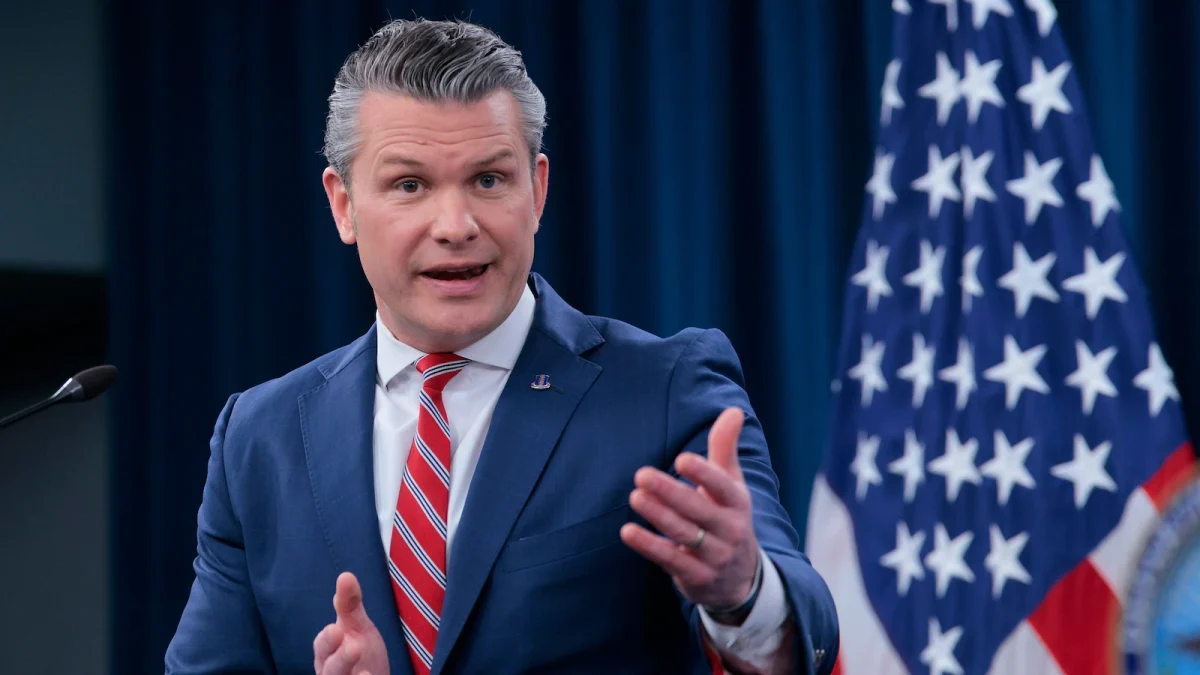
Hegseth Blocks Promotions of Navy Officers to One-Star Rank
Tyunews.com – Defense Secretary Pete Hegseth has halted the advancement of several Navy officers to the rank of admiral, according to three sources with knowledge of the decision. These officers, who had previously been nominated by a panel of senior Navy admirals, were removed from the promotion list due to Hegseth’s intervention. The Pentagon announced the official list of promotions on May 22, 2026, but the selection process faced challenges when the secretary of defense stepped in to alter the outcomes. This move marks a significant shift in the military’s leadership dynamics, as Hegseth’s actions have sparked debate over the criteria used to evaluate promotions.
Reasons for the Block
According to sources, the officers removed from the promotion list included individuals from diverse backgrounds—African American, female, and white male—each targeted for different reasons. Among them were those who had actively participated in or supported Diversity, Equity, and Inclusion (DEI) initiatives within the Navy. The decision appears to align with Hegseth’s broader critique of what he describes as progressive policies in the military, which he argues have created an environment overly influenced by “woke” ideology. This trend has drawn criticism from within the defense community, with some viewing it as a deliberate effort to reshape the officer corps.
“As we’ve said before, military promotions are given to those who have earned them. The Department will never consider the color of a service member’s skin or their gender as a factor in promotions,” stated Sean Parnell, the Pentagon’s chief spokesperson, in a statement to ABC News. “Under President Trump and Secretary Hegseth, meritocracy reigns supreme at the War Department.”
Hegseth’s intervention in the Navy’s promotion process echoes similar actions in the Army, where he had previously blocked the advancement of four colonels to brigadier general rank. Those colonels, which included two African Americans and two women, were reportedly removed due to their alignment with DEI programs or their perceived embrace of modern cultural values. The secretary’s efforts to influence these decisions have raised questions about the transparency of the military’s leadership selection process.
Impact on Military Diversity
The changes under Hegseth have reportedly slowed the progress of minorities and women in reaching senior ranks. Since taking office, 19 high-ranking generals and flag officers have been either fired or placed on the sidelines, with a notable proportion of them belonging to underrepresented groups. This has led to concerns that the military’s diversity initiatives are being undermined by the new administration’s focus on traditional merit-based standards. Critics argue that Hegseth’s policies could have long-term effects on the representation of different communities within the armed forces.
One of Hegseth’s key priorities has been to streamline the military’s hierarchy and emphasize “traditional values.” His recent speeches to senior generals and admirals have outlined specific criteria for promotions, including a preference for officers who demonstrate strong adherence to these principles. The Navy SEAL captain serving as his assistant, William Francis Jr., was also considered for promotion but was excluded from the board’s review. Sources explained that Francis did not meet certain requirements, such as leading a major command, which left him without a clear path to advancement.
Broader Context and Related Developments
Hegseth’s actions are part of a larger pattern of reshaping military leadership. His tenure has been characterized by a series of unexplained firings and promotions, often tied to his ideological stance. The New York Times first reported on the blocking of Navy promotions and the effort to elevate Francis, highlighting the extent of Hegseth’s influence over the selection process. The article also noted that his efforts to promote Francis were part of a broader strategy to integrate allies within the military chain of command.
These developments come at a time when minorities are increasingly filling key roles in the armed forces. Over the past decade, women have also made significant strides in advancing to senior ranks, challenging long-standing gender barriers. Hegseth’s interventions, however, have been seen by some as a setback for these gains. His rhetoric against “woke” policies has resonated with certain factions within the military, but it has also drawn accusations of favoritism and bias.
Meanwhile, the Pentagon continues to defend its approach. In a statement to ABC News, Parnell emphasized that promotions are based solely on merit, asserting that the department remains committed to its traditional values. “We evaluate officers based on their performance, leadership, and commitment to the mission,” he said. Despite this reassurance, the controversy surrounding Hegseth’s decisions has persisted, with ongoing discussions about the balance between ideological alignment and merit-based advancement.
Historical Precedents and Future Implications
Hegseth’s approach to promotions is reminiscent of previous policies under the Trump administration, which also prioritized ideological conformity in military leadership. However, his actions have taken the focus further, with a more direct impact on the diversity of the officer ranks. The removal of African American and female officers from the promotion list has sparked discussions about potential discrimination, though the secretary’s office maintains that the decisions were based on objective evaluations.
Analysts suggest that Hegseth’s interventions could set a precedent for future promotions. By selectively blocking candidates who align with DEI initiatives, he may be reshaping the military’s cultural landscape. This has led to speculation about the long-term effects on morale and retention, particularly among service members from underrepresented groups. Meanwhile, the Navy continues to navigate the fallout, with efforts to maintain its commitment to inclusivity amid these changes.
As the military adjusts to these new standards, the debate over diversity and meritocracy is likely to intensify. Hegseth’s actions have not only affected the immediate promotion list but also influenced the broader narrative about military leadership. The outcomes of these decisions will be closely watched, as they may determine the future direction of the armed forces in the years to come.
Related Stories and Trends
Other recent developments highlight the ongoing tensions within the military. For instance, an appeals court recently blocked efforts to remove transgender troops from service, while allowing restrictions on recruits. This decision underscores the persistence of debates over inclusivity in the armed forces. Similarly, a separate report detailed the death of an American bystander in a shootout at a Mexican resort city, drawing attention to the intersection of military and civilian security issues.
Hegseth’s focus on traditional values has also been linked to his broader political agenda. In speeches to top generals and admirals, he has advocated for policies that emphasize discipline, patriotism, and a clear ideological framework. These priorities have influenced not only promotions but also the military’s overall strategy, with some arguing that they have strengthened the institution while others fear they may limit its adaptability to modern challenges.
Ultimately, the controversy surrounding Hegseth’s decisions reflects a larger conversation about the role of ideology in military leadership. As the promotion process continues, the balance between meritocracy and cultural alignment will remain a central issue for the Pentagon and its stakeholders. The future of the armed forces may hinge on how effectively these competing priorities are managed in the coming months.