Election triumphs, a series of scandals dot Ken Paxton’s political timeline
Tyunews.com – Ken Paxton, the Texas Attorney General, stood before a crowd of supporters after securing a decisive win in the recent Republican runoff for the U.S. Senate, defeating incumbent John Cornyn. During his speech, Paxton emphasized the role of President Donald Trump in tipping the scales of his victory. Trump’s last-minute endorsement, which came at a critical juncture, was pivotal in ensuring Paxton’s success. “Everyone in Washington told him to abandon me,” Paxton remarked, highlighting the political maneuvering that occurred in the final stretch of the campaign.
From Legislative Beginnings to Statewide Influence
Paxton’s political journey began in 2002 when he first entered the Texas House of Representatives. Born to an Air Force veteran and a corporate lawyer who later founded her own firm, he quickly made a name for himself in the legislative arena. Over the next decade, he maintained his seat, winning re-election in 2004, 2006, 2008, and 2010. His tenure in the House was marked by assertive advocacy, particularly during a notable session in 2005 where he questioned a witness on the House Ways and Means Committee. This moment underscored his growing reputation as a vocal and persistent figure in Texas politics.
In 2012, Paxton expanded his influence by securing a position in the Texas State Senate, representing Collin and Dallas counties. His rise continued in 2014 when he was elected as the 51st Attorney General of Texas, a role that would define much of his career. One of his early initiatives focused on human trafficking, establishing a specialized unit to tackle the issue. This effort showcased his commitment to addressing social and economic challenges, though it also set the stage for future controversies.
A Trail of Legal Challenges
August 2015 brought the first major legal hurdle for Paxton. A Texas grand jury indicted him on three felony charges, including two counts of first-degree securities fraud and one for failing to register with the state securities board. The charges dated back to his time as a state legislator, not during his tenure as attorney general. The indictment alleged that Paxton had misled investors about his commission from Servergy, a Texas technology company, during its fundraising efforts. He voluntarily surrendered to authorities and entered a not guilty plea, a move that signaled his confidence in the case.
April 2016 saw federal prosecutors take action, announcing fraud charges against Paxton stemming from the Servergy probe. The Securities and Exchange Commission (SEC) sought to hold him accountable for alleged deceptive practices. Despite the federal charges, a 2017 court ruling dismissed the case, citing insufficient evidence. This outcome left Paxton with a lingering reputation as a political survivor, able to navigate legal scrutiny and emerge unscathed.
Scandals and Strategic Moves
The year 2018 marked Paxton’s narrow re-election as state attorney general, a victory that underscored his resilience. However, his career was not without allegations of misconduct. In October 2020, seven top staff members of his office accused him of accepting bribes and misusing his authority. Paxton swiftly denied the claims, accusing the employees of fabricating statements to damage his reputation. The controversy highlighted ongoing tensions within his administration and raised questions about transparency in his leadership.
December 2020 further intensified the scrutiny surrounding Paxton. He spearheaded a legal challenge to overturn the 2020 presidential election, targeting states like Georgia, Michigan, Pennsylvania, and Wisconsin. The lawsuit argued that pandemic-related changes to voting procedures violated federal law and requested the Supreme Court to halt these states from certifying their electoral results. Although the court rejected the case, it remained a defining moment in Paxton’s career, aligning him with broader efforts to question election integrity.
Political Resilience and Future Challenges
Now, with his Senate bid successful, Paxton faces a new chapter. The election sets up a high-stakes showdown in November against Democratic nominee James Talarico, who has represented Texas in the House since 2018. Paxton’s win has been hailed as a testament to his political acumen, but it also places him in the spotlight for his past controversies. Trump’s endorsement of Paxton, following his own two impeachments during his first presidential term, framed the attorney general as a loyal ally and a key MAGA figure.
Despite the scandals that have shadowed his career, Paxton has maintained a strong base of support within the Republican Party. His ability to rally voters, even as legal and ethical questions arose, suggests a deep connection with conservative constituencies. Yet, the challenges he has faced—from securities fraud to election litigation—paint a picture of a politician who has often walked a fine line between ambition and accountability.
Legacy and Long-Term Implications
Paxton’s career is a microcosm of the political landscape in Texas, where legislative and executive power often intertwine. His impeachment in 2012 as the first statewide elected official since 1917 to face such action remains a defining moment. The charges against him were tied to allegations of corruption, a term that resonates with both his supporters and critics. While he managed to avoid removal from office, the episode left a lasting mark on his public image.
As he prepares for the Senate race, Paxton’s journey reflects the complexities of modern politics. From his early days in the House to his role as attorney general and now as a Senate candidate, his career has been shaped by both triumphs and trials. The path ahead will test his ability to reconcile his past controversies with his current political momentum. With the November midterm elections approaching, his story will be watched closely by observers across the nation.
A Controversial yet Persistent Figure
Paxton’s political timeline is a testament to his persistence, even in the face of repeated scandals. Each challenge has been met with a strategic response, whether through legal defenses, public statements, or leveraging high-profile endorsements. His recent victory over Cornyn is a reminder that, despite the allegations, he retains significant support. Yet, the shadow of past controversies continues to loom, raising questions about the balance between political success and ethical integrity.
For Texas, Paxton’s career embodies the state’s dynamic political environment. His rise from a local legislator to a national figure highlights the influence of conservative movements and the role of key alliances. As he prepares for the Senate race, the lessons of his past will shape the narrative of his future. Whether he is viewed as a resilient leader or a controversial figure, his journey remains a focal point in the ongoing story of Texas politics.
Photographic Moments and Public Perception
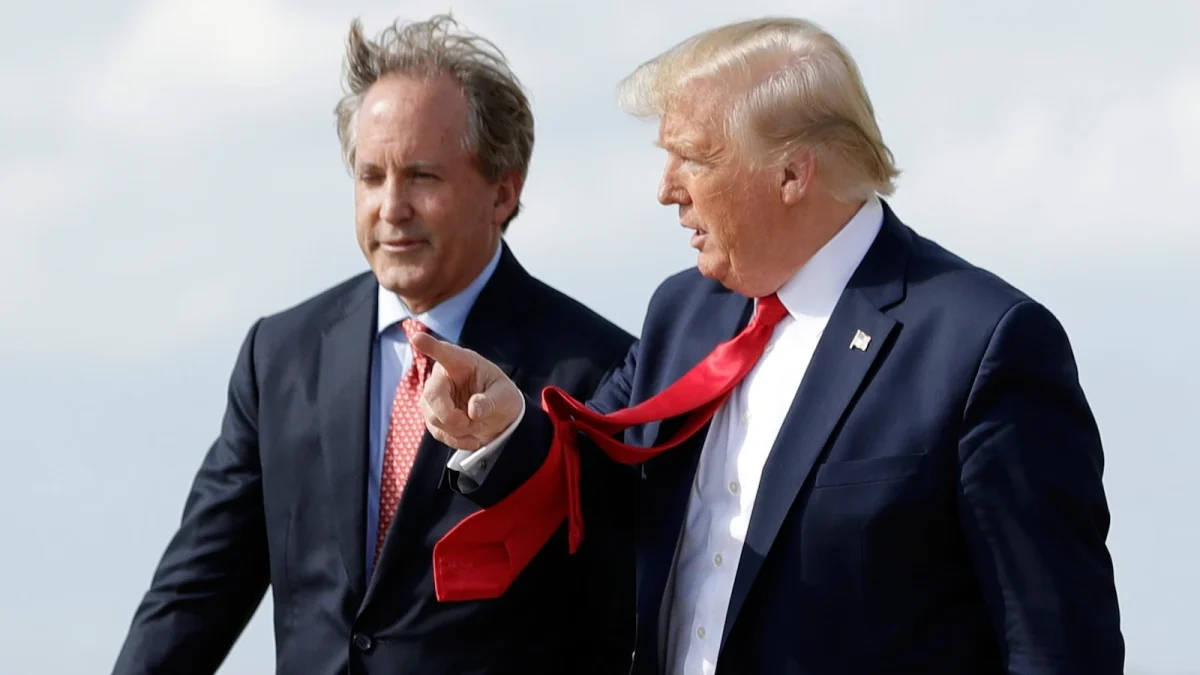
The visual record of Paxton’s career captures the essence of his public persona. A 2019 photo shows him walking with Trump at Austin-Bergstrom International Airport, reinforcing their political bond. Another image from 2015 depicts Paxton joining hands with family members during a prayer after his swearing-in as attorney general, symbolizing his personal and professional commitment. These moments, while seemingly routine, contribute to the broader narrative of his political life, blending personal milestones with public achievements.
As the Senate race approaches, the interplay of his victories and scandals will be scrutinized. Paxton’s ability to overcome past challenges and secure a major win suggests a blend of skill and luck. However, the underlying questions about his conduct remain. For a state known for its political energy, Paxton’s story is both a case study in resilience and a reflection of the high stakes involved in shaping its future.