Canada’s retaliatory tariffs hit US products as Trump warns of escalation

Daftar Isi
Canada’s Counter-Tariffs Take Effect as Trade Clash With Washington Deepens
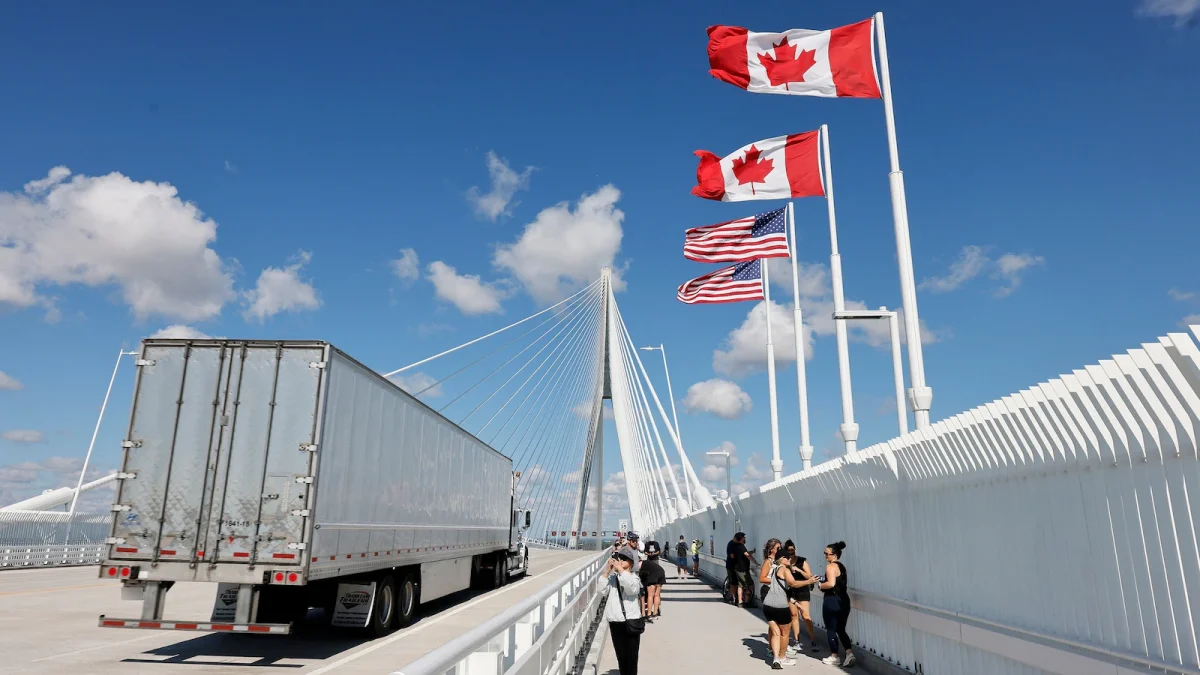
Tyunews.com – At one minute past midnight Eastern Time on Tuesday, a new wave of Canadian import duties snapped into force, sweeping across hundreds of American-made goods and marking the latest escalation in a fast-moving trade confrontation between two of North America’s closest economic partners. The measures, which impose levies reaching as high as 50 percent, are aimed squarely at roughly $20 billion in annual U.S. shipments — a figure deliberately calibrated to mirror the scale of American tariffs imposed on Canadian goods just weeks earlier.
For consumers and small businesses along the shared border, the stakes are tangible. Republican Senator Susan Collins of Maine, representing a state whose economy is deeply intertwined with cross-border commerce, joined other elected officials in warning that the dispute will translate into higher prices and thinner margins for local firms and households alike.
What the Canadian Tariffs Cover
The product list spans an unusually wide swath of everyday and industrial goods. Among the items now subject to the new duties are aluminum foil, raincoats, and cheese — categories that collectively represent nearly 6 percent of total U.S. exports to Canada, based on 2025 figures compiled by the U.S. Census Bureau. Canadian officials framed the package as a direct, dollar-for-dollar response to the batch of American levies that took effect the previous month, after formal trade negotiations between the two governments broke down.
The timing was announced within days of the U.S. measures landing. Ottawa stated the retaliatory schedule would activate during the second week of September, giving importers a narrow window to adjust supply chains before the new rates applied.
How the Confrontation Escalated
The tit-for-tat cycle began last month when a fresh tranche of U.S. tariffs on Canadian imports went live following the collapse of official talks. Rather than absorb the cost or seek a quiet diplomatic fix, the Canadian government moved swiftly to announce matching duties, signaling that it would not stand by while American producers gained a price advantage in the Canadian market.
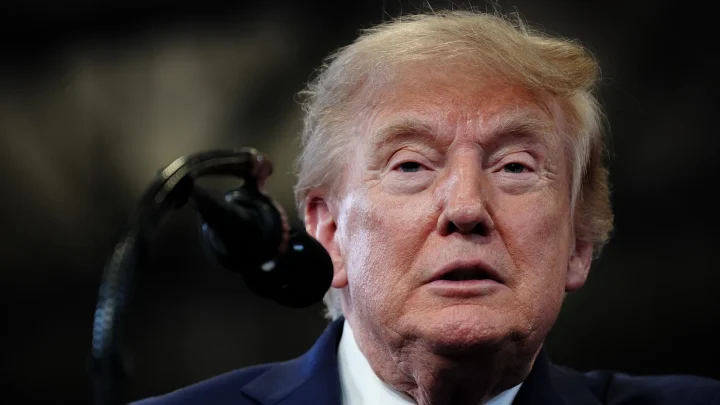
President Donald Trump, who had been publicly pressing for concessions from Ottawa throughout the summer, responded with a series of escalating threats. On Monday afternoon — hours before the Canadian tariffs were set to activate — he warned that Bombardier, the Montreal-based aerospace giant, would be barred from selling aircraft in the United States unless the company committed to manufacturing its products on American soil. Late the previous month, he had already pledged to double the tariff rate on Canadian-made automobiles and auto components from 25 percent to 50 percent, effective in January.
“On Trade, and in other ways, also, they are among the worst Nations in the World to deal with,” Trump wrote on his social media platform at the time. “They feel entitled, and yet, WE DON’T NEED CANADA, THEY NEED US!”
The rhetoric has been matched by symbolic gestures that have further inflamed public sentiment in Ottawa. On August 27, Trump signed an executive order renaming Lake Ontario as “Lake America.” Days later, he shared an AI-generated video depicting birds styled with his signature hairstyle marching in formation with firearms to “protect” a body of water labeled with the new name. The Canadian government responded by reaffirming that the lake will continue to be called Lake Ontario in all official contexts.
“This lake is called Lake Ontario — today and forever,” Prime Minister Mark Carney posted on X late last month.
Ottawa Pushes Back on Tone and Substance
Carney went beyond the naming dispute last week to rebuke the broader posture of the Trump administration. He argued that the pattern of public messaging from Washington — memes, taunts, and posturing — signaled a genuine unwillingness to negotiate a workable resolution to the tariff standoff.
“When the Americans stop doing memes, stop throwing shade and stop trying to be tough, and start being serious about having those discussions, we can have those discussions,” Carney said.
The two leaders had met just months earlier under more collegial circumstances. In June 2026, Trump and Carney shared a working lunch alongside other G7 and Middle Eastern leaders in Évian-les-Bains, France, a setting that underscored how quickly the bilateral relationship has shifted from cooperative diplomacy to open economic confrontation.
Economic Exposure and the Risk of a Wider Spiral
The numbers underscore why both capitals are watching the next few weeks closely. In the first half of 2026, the United States shipped $175.8 billion in goods to Canada, making it the second-largest export destination after Mexico and accounting for 14 percent of all American merchandise exports, per Census Bureau data. Even though the current round of tariffs touches only a fraction of that flow, analysts caution that the architecture of the dispute invites further rounds.
Campbell Harvey, a professor at Duke University’s Fuqua School of Business who specializes in commodity markets, has described the dynamic in blunt terms:
“This is a classic trade-war situation: Somebody puts on a tariff, another country retaliates dollar for dollar and then more tariffs are added. Then we get into this really bad equilibrium.”
For now, the affected goods represent a manageable slice of bilateral trade, limiting immediate macroeconomic damage. Yet the trajectory — collapsing negotiations, matching duties, threats to raise rates further, and public posturing on both sides — points toward a scenario in which each round of retaliation widens the base of affected products and deepens cost pressures on manufacturers, retailers, and consumers in both countries. Whether the two governments can step back before the spiral accelerates remains the central question of the autumn trade calendar.
Related Reading
Frequently Asked Questions
What is Canada s retaliatory tariffs hit US products?
Canada s retaliatory tariffs hit US products is the main topic of this guide. The article explains the context, practical details, and next steps readers should understand.
Why does Canada s retaliatory tariffs hit US products matter?
Canada s retaliatory tariffs hit US products matters because readers are looking for a useful answer, not just a short summary. Good content should match search intent and help them decide what to do next.