Flu Outbreak Among Air Force Recruits at Joint Base San Antonio
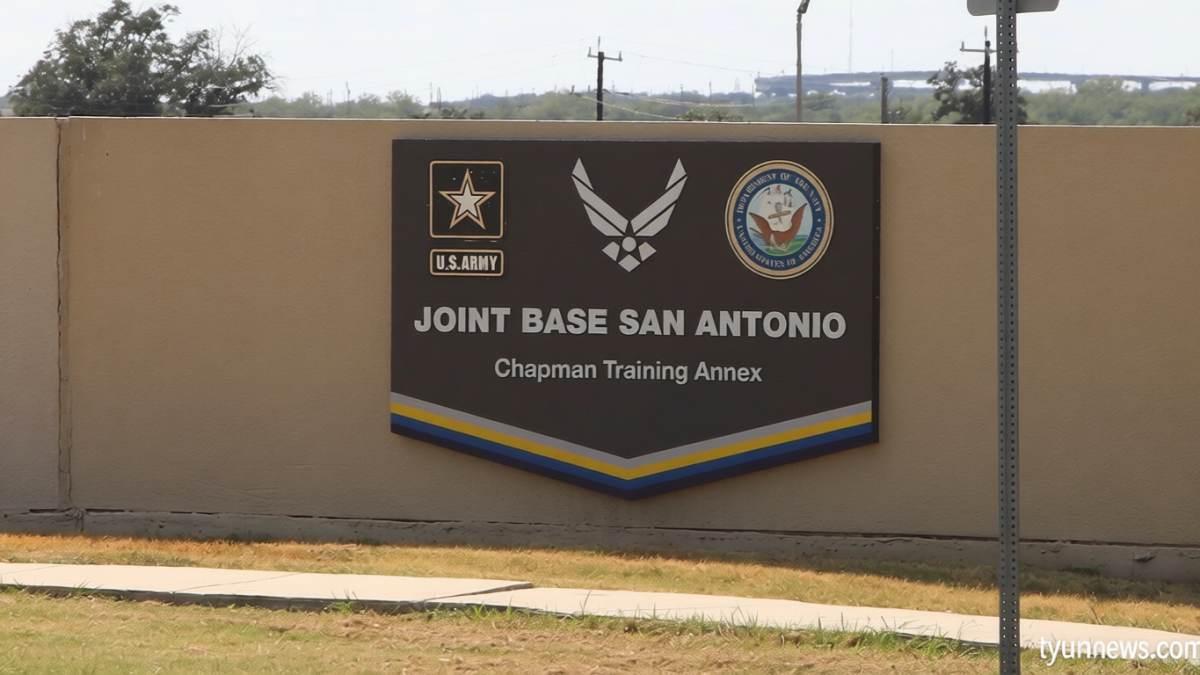
Tyunews.com – Joint Base San Antonio has experienced a significant flu outbreak among Air Force recruits, with over 159 trainees testing positive for the virus at Lackland Air Force Base. Two recruits have been hospitalized, and officials are investigating the cause of a fatal case linked to the illness. This surge follows the decision by Defense Secretary Pete Hegseth to make the annual flu vaccine optional for military personnel, a policy shift that has raised concerns about the impact on troop health and readiness.
Policy Changes and Vaccine Rates
The removal of the mandatory flu vaccination requirement in April has led to a notable decline in compliance. Previously, nearly 100% of recruits received the vaccine, but the current rate has dropped to 40% at Joint Base San Antonio. This change aligns with the Pentagon’s broader move toward voluntary immunization, similar to the transition of the COVID-19 vaccine to optional status for service members. However, exceptions remain in place for certain units, including the Air Force, to ensure critical personnel are protected.
“Our new policy empowers service members to make informed decisions about their health,” said Hegseth. “If the flu vaccine is in your best interest, you should take it, but we will not force you.”
While this approach emphasizes personal choice, it has left some units, particularly those in high-contact environments, vulnerable to rapid outbreaks. The Air Force has acknowledged the challenge, with medical teams working to contain the spread through isolation protocols and increased hygiene measures.
Health Implications and Operational Impact
The flu outbreak has disrupted training schedules, forcing the Air Force to adjust routines to accommodate sick recruits. Medical staff are now prioritizing early detection and treatment, using antiviral medications like Tamiflu to manage symptoms and reduce hospitalization risks. Despite the decline in vaccination rates, the Air Force continues to monitor the situation closely, recognizing the unique risks faced by recruits in close-quarters living and training conditions.
With the flu season typically peaking in winter, the timing of this outbreak raises questions about preparedness. The CDC has reported a rise in emergency room visits among school-age children, but military personnel are at heightened risk due to frequent travel and communal living. The death of Keon McDaniel, a 20-year-old recruit, has intensified scrutiny. He was hospitalized on June 12 during his sixth week of Basic Military Training and later passed away from a medical emergency, though a direct link to the flu remains under review.
Broader Pentagon Strategy and Exceptions
Senior Pentagon officials have explained that the shift to optional vaccination policies was based on risk assessments aimed at balancing health protections with operational flexibility. Exceptions for the Air Force and other services were granted to account for specific missions requiring rapid deployment or roles with higher exposure to infectious diseases. This decision reflects an evolving strategy to adapt to changing public health landscapes, though critics argue it may compromise collective immunity in high-risk environments.
While the Air Force has maintained its focus on isolating symptomatic cases, the low vaccination rate has sparked debates about the long-term effects on unit readiness. Medical teams are now emphasizing proactive measures, such as regular health screenings and education on flu prevention, to mitigate the impact. The Pentagon has also directed the Defense Health Agency to provide additional support, ensuring that resources are available to address the outbreak effectively.
As the flu season progresses, the Air Force’s response will serve as a case study for how voluntary policies affect public health outcomes. With over 150 recruits affected and a fatality under investigation, the incident highlights the importance of vaccination in preventing the spread of contagious diseases. Officials remain committed to monitoring the situation, adjusting protocols as needed, and ensuring the safety of all personnel. The broader implications for military health programs and flu prevention strategies are still being evaluated, but the outbreak at Joint Base San Antonio has already sparked discussions about the role of mandatory vaccinations in protecting service members.