Iran Live Updates: Rubio Says ‘Significant Progress’ Made in Iran Talks
U.S.-Iran Ceasefire Extension and Regional Reactions
Tyunews.com – On February 28, President Donald Trump declared “major combat operations” against Iran, marking a pivotal moment in the ongoing conflict. The initiative involved coordinated strikes by the United States and Israel, which targeted a range of sites, including military installations, government facilities, and critical infrastructure. These actions were part of a broader strategy to disrupt Iran’s regional influence and counter its nuclear ambitions. The initial phase of the campaign saw the deployment of advanced weaponry and air support, with the goal of inflicting substantial damage on Iran’s capacity to wage war. Despite the intensity of the strikes, Trump announced a two-week ceasefire, signaling a shift toward diplomatic engagement.
The ceasefire, which was initially set for a limited duration, aimed to create a window for negotiations. However, the talks held in Pakistan in April did not yield a peace agreement, leaving tensions unresolved. During these discussions, U.S. officials and Iranian representatives exchanged proposals, but disagreements over key issues persisted. The talks were reportedly held in a neutral location, with both sides hoping to leverage the ceasefire to build trust. Yet, the lack of progress raised concerns among allies, who questioned the effectiveness of the diplomatic approach.
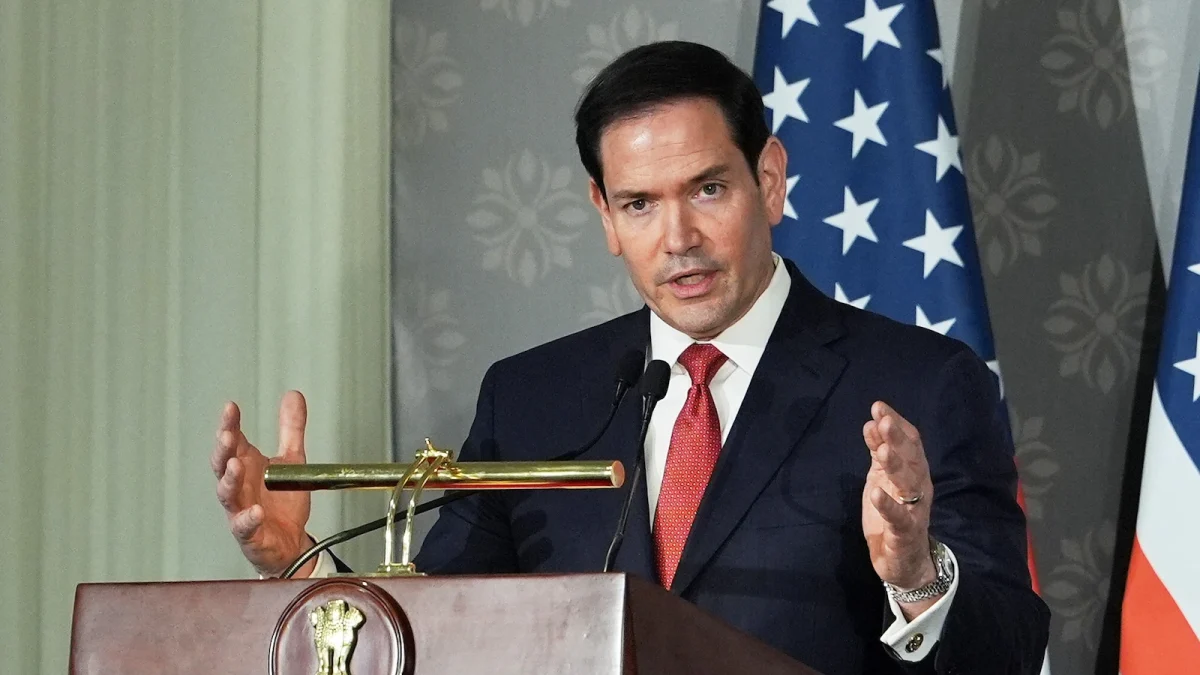
“We’ve made significant progress in the Iran talks,” said Senator Marco Rubio, a Republican from Florida, during a press briefing. His statement highlighted optimism about the potential for a breakthrough, though it was tempered by the challenges of the ongoing conflict. Rubio emphasized the importance of continued dialogue, stating that the U.S. was committed to finding a comprehensive solution to the regional tensions.
Trump later extended the ceasefire indefinitely, citing the need for sustained negotiations. The decision to prolong the pause in hostilities came amid growing pressure from within his administration and among allies. The president also reiterated his stance on maintaining a U.S. blockade of Iran, a measure designed to limit its access to financial resources and strategic materials. This blockade, which had been in place for months, was framed as a critical tool in forcing Iran to the table and ensuring concessions during talks.
The extension of the ceasefire raised questions about its long-term viability. While it provided a breathing space for diplomacy, it also allowed Iran to regroup and reinforce its positions. Analysts noted that the U.S. strategy relied heavily on the assumption that Iran would prioritize dialogue over further military escalation. However, the failure of the April talks suggested that Iran’s willingness to negotiate was contingent on specific terms, which had yet to be met.
Regional allies such as Saudi Arabia and the United Arab Emirates (UAE) expressed their concerns over the prolonged conflict. In a statement released after the ceasefire extension, Saudi Arabia condemned the “fresh aggression” against Iran, warning of potential spillover effects in the Middle East. The UAE echoed similar sentiments, emphasizing the need for a stable Iran to ensure security in the Gulf region. Both nations urged the U.S. to maintain pressure on Iran while avoiding a full-scale war that could destabilize the entire area.
Meanwhile, the impact of the U.S.-Israeli strikes was being assessed by international observers. The attacks targeted key military assets, including airbases and missile launch pads, as well as infrastructure such as oil refineries and communication hubs. This dual approach sought to cripple Iran’s military capabilities while also affecting its economic stability. The strikes were part of a larger campaign to deter Iran from escalating its support for proxy groups in the region, such as Hezbollah and the Houthis.
Iran’s response to the ceasefire and the strikes was swift. The country’s leadership accused the U.S. of using the ceasefire as a pretext to continue its aggressive policies. State media outlets in Iran reported that the strikes had “undermined the stability of the region” and called for a united front against Western intervention. The Iranian government also reiterated its demand for the lifting of economic sanctions, framing them as a primary obstacle to peaceful negotiations.
Despite the setbacks, the U.S. remained steadfast in its approach. Trump’s administration emphasized that the blockade would not be lifted until a negotiated settlement was achieved, regardless of the terms. This unwavering stance was seen as both a strength and a potential liability, as it demonstrated the U.S. commitment to its objectives but also risked prolonging the conflict.
As the talks continued, the focus shifted to addressing the core issues of the dispute. These included Iran’s nuclear program, its regional military activities, and the future of the 2015 nuclear deal. The U.S. sought to restructure the agreement to include stricter monitoring mechanisms and penalties for Iran’s violations. In contrast, Iran demanded the removal of sanctions as a condition for cooperation. The negotiations, which spanned multiple sessions, were described as intense but productive by some participants.
International reactions to the situation were mixed. While some countries supported the U.S. efforts to curb Iran’s influence, others expressed concern about the potential for miscalculation. The European Union, for instance, called for a balanced approach, urging both sides to find a compromise that would satisfy their strategic interests. Meanwhile, countries in the Middle East, such as Iraq and Turkey, remained cautious, mindful of the broader implications of the conflict on their own security and economic ties with Iran.
As the weeks passed, the ceasefire became a focal point for geopolitical discussions. Analysts debated whether it would lead to a lasting agreement or merely serve as a temporary truce. The talks in Pakistan were seen as a critical juncture, with expectations that a breakthrough could be achieved through direct dialogue. However, the lack of tangible results left many wondering about the true intentions of either side and the likelihood of a peaceful resolution.
The blockade, a central element of the U.S. strategy, continued to draw attention. Economic analysts pointed out that the sanctions had already begun to take a toll on Iran’s oil exports and financial markets. The U.S. argued that these measures were necessary to hold Iran accountable for its actions, while Iran’s allies warned of the potential for an economic collapse that could force the country into a corner. The situation highlighted the delicate balance between military pressure and diplomatic outreach in the region.
With the ceasefire extension and the ongoing talks, the international community remained closely watchful. The success of these efforts would depend on the ability of both sides to find common ground and commit to the terms of any agreement. As the negotiations progressed, the focus was on addressing the root causes of the conflict and ensuring that the terms were both fair and enforceable. The outcome of these discussions would have far-reaching consequences for the Middle East and the global order.
Amid the uncertainty, key figures from both the U.S. and Iran continued to advocate for their respective positions. Trump’s administration framed the talks as an opportunity to secure a “one-way or the-other” resolution, while Iranian officials maintained that the negotiations were being used as a means to justify continued aggression. The interplay between these perspectives underscored the complexity of the situation and the challenges of achieving a lasting peace.
As the talks entered their next phase, the role of external actors became increasingly significant. The involvement of regional powers and international organizations was seen as crucial in mediating the conflict and ensuring that both sides adhered to their commitments. The hope was that this collaborative approach would help bridge the gaps and pave the way for a more stable and secure Middle East.
With the ceasefire and talks ongoing, the path forward remained unclear. However, the determination of both the U.S. and Iran to pursue their objectives suggested that a resolution would not come easily. The stakes were high, and the outcome of these negotiations would determine the trajectory of the conflict for years to come.