Iran Live Updates: US Conducts Strikes on Radar Sites Following Drone Attacks
Tyunews.com – Iran live updates continue to highlight the escalating tensions between the United States and Iran, as reported by the U.S. Central Command (CENTCOM). On February 28, a significant event unfolded when U.S. forces launched targeted strikes against Iranian radar sites, responding to an earlier barrage of drone attacks aimed at the strategic Strait of Hormuz. This development has sparked renewed global attention on the ongoing conflict, with analysts and military observers closely tracking the implications for regional security and international diplomacy.
The Drone Threat and U.S. Response
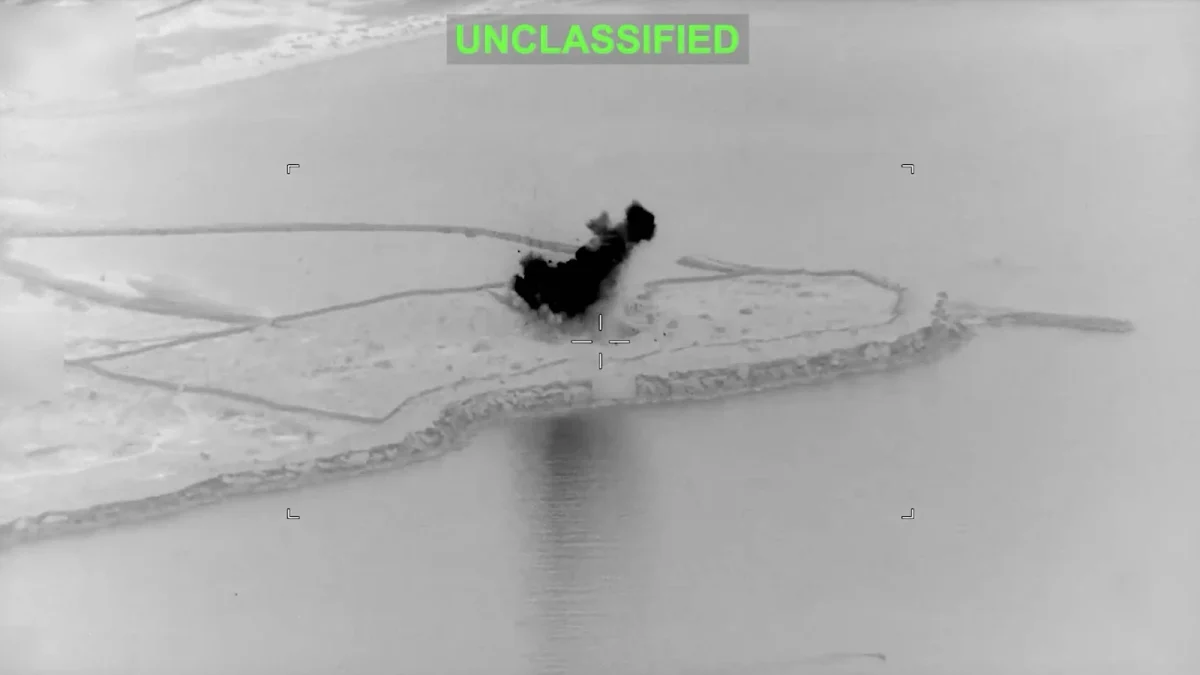
The sequence of events began with the deployment of Iranian drones toward the Strait of Hormuz, a critical maritime chokepoint where oil tankers traverse between the Arabian Peninsula and the Indian subcontinent. CENTCOM confirmed that the U.S. took immediate action to neutralize these threats, emphasizing the importance of safeguarding vital shipping lanes. The decision to strike radar sites was part of a broader strategy to disrupt Iran’s surveillance capabilities and hinder its ability to monitor U.S. military movements in the region. According to official statements, the operation was swift and precise, minimizing collateral damage while achieving strategic objectives.
“The U.S. military acted decisively to counter the drone threat, targeting key Iranian radar installations to protect our forces and ensure the free flow of commerce through the Strait of Hormuz,” stated a CENTCOM spokesperson in a recent brief.
Iran’s Retaliatory Measures and Strategic Calculations
Iran has since responded to the U.S. strikes with a series of its own military actions, including the launch of additional drones and ballistic missiles toward the Gulf. These retaliatory measures underscore Iran’s determination to assert its influence in the region and demonstrate its readiness to escalate tensions if necessary. The Islamic Revolutionary Guard Corps (IRGC), a key military force in Iran, has been heavily involved in coordinating these attacks, leveraging its network of proxy groups and advanced missile technology to challenge U.S. dominance.
“Iran’s military has been preparing for this response for weeks, using the Strait of Hormuz as a focal point to test our defenses and signal its resolve,” noted a senior Iranian defense analyst in an interview with regional media.
Global Reactions and Regional Implications
The incident has drawn reactions from international allies and adversaries alike. Gulf Cooperation Council (GCC) nations, particularly Saudi Arabia and the United Arab Emirates, have expressed concern over the potential for increased hostilities in the region, which could disrupt oil exports and destabilize the Middle East. Meanwhile, European allies have called for a de-escalation, urging both sides to avoid actions that could lead to a full-scale conflict. The situation also highlights the strategic importance of the Strait of Hormuz, which carries approximately 20% of the world’s oil supply, making it a prime target for military engagement.
Ongoing Ceasefire and Negotiation Efforts
Despite the recent escalation, the two-week ceasefire between the U.S. and Iran, initially brokered in April, remains in effect. However, the indefinite extension of the agreement has raised questions about its long-term viability. U.S. officials have emphasized that the ceasefire will stay in place until negotiations reach a conclusion, regardless of the terms. This approach reflects a balance between maintaining stability and allowing for further diplomatic maneuvering. The continuation of the blockade on Iranian oil exports, however, has added pressure to the talks, complicating the path to a resolution.
“The ceasefire is a temporary measure, and our focus remains on achieving a lasting agreement that addresses the core issues between our countries,” said a U.S. State Department representative during a press briefing.
Looking Ahead: The Path to Resolution
As the situation evolves, the focus keyword “Iran live updates” will remain central to tracking developments. Analysts suggest that the next phase of negotiations could hinge on the U.S. and Iran’s willingness to compromise on sanctions and military presence. The recent drone attacks and U.S. strikes indicate a shift in the conflict’s dynamics, with both sides testing each other’s resolve. The outcome of these tensions will have far-reaching consequences for the region and global markets, making it essential for readers to stay informed through reliable Iran live updates.