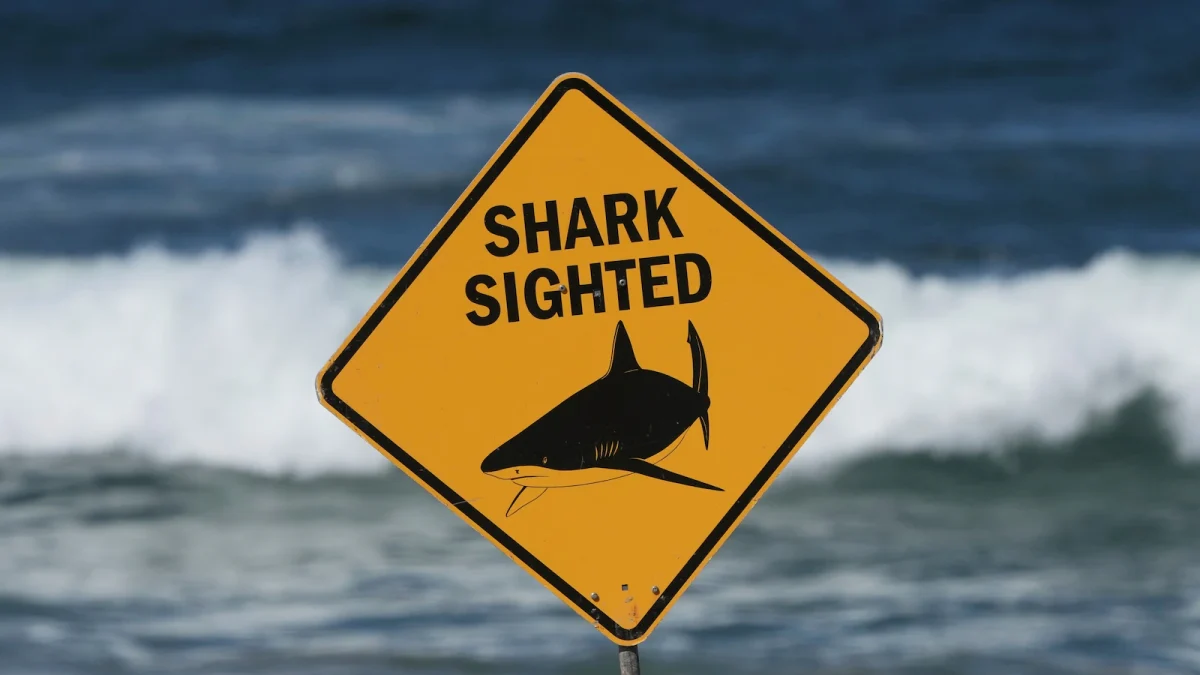
Spearfisher Mauled in Australia’s Second Fatal Shark Attack in a Week
Tyunews.com – On Sunday, a spearfisher was attacked by a shark at Kennedy Shoal, a location on the Great Barrier Reef, marking Australia’s second deadly encounter with the predator in less than a week, according to authorities. Police Inspector Elaine Burns confirmed the incident, stating that the 39-year-old man had been spearfishing when he was struck by the shark and later succumbed to a severe head injury. The attack occurred while the man was diving with three companions from a boat near the Queensland state coast, south of Cairns. He was transported by boat to the tourist town of Hull Heads by midday, where paramedics were already on standby. Despite their efforts, the victim was pronounced dead after sustaining injuries deemed incompatible with life, as noted in an ambulance service statement.
About the Attack
The incident unfolded in the shallows of Kennedy Shoal, a coral reef known for its vibrant marine life and frequent use by recreational fishers. According to Burns, the man was among a group of divers exploring the area when the attack occurred. The reef is also a site of interest for underwater enthusiasts due to its proximity to the Lady Bowen, a 19th-century shipwreck that attracts divers seeking historical exploration. Fishers in the region had previously reported sightings of bull sharks, a species known for its aggressive tendencies, in the waters around the reef. These observations likely contributed to the heightened alert for potential danger in the area.
“The man had been spearfishing when he was attacked and died from a critical head injury,” Burns told reporters.
The victim, a local resident of Cairns, was part of a group that had planned a routine dive. His death adds to a growing list of shark-related fatalities in Australia, raising concerns about the risks associated with water-based activities. The incident is the third recorded shark attack fatality of 2026, following two similar events earlier in the year. This pattern suggests a possible increase in shark activity, prompting questions about the factors influencing their behavior in recent months.
Recent Trends in Shark Attacks
Australia has historically recorded more than three fatal shark attacks annually, a statistic that has remained relatively consistent over the past few decades. However, the recent surge in incidents has drawn attention to the changing dynamics of marine ecosystems. The latest death, involving the spearfisher, follows a fatal attack on May 16 at a coral reef off Rottnest Island, near the southwest coast of Western Australia. That incident claimed the life of a 38-year-old Perth resident, who was brought to the holiday island by boat but could not be revived by paramedics. A white shark measuring five meters (16 feet) was suspected in that case as well.
The trend of deadly shark encounters is not isolated to these locations. Earlier in the year, on January 18, a 12-year-old boy named Nico Antic died in a hospital days after being attacked by a suspected bull shark off a Sydney beach. These events highlight the diverse range of shark species responsible for fatal attacks and the vulnerability of even casual swimmers and divers. The Great Barrier Reef, a UNESCO World Heritage site, remains a hotspot for such incidents, despite its status as a natural wonder.
Understanding the Risks
Shark attacks, while rare, can have devastating consequences. The Kennedy Shoal incident underscores the need for vigilance among recreational fishers and divers. The shallow waters of the reef, combined with the presence of shipwrecks and abundant marine life, create an environment where sharks are more likely to encounter humans. Bull sharks, in particular, are known to frequent coastal areas, often venturing into shallower waters where they can hunt for prey. This behavior increases the likelihood of encounters with swimmers, divers, and fishers.
Experts suggest that environmental changes, such as rising sea temperatures and shifting ocean currents, may be contributing to increased shark activity near populated areas. The Great Barrier Reef, which stretches over 2,300 kilometers (1,400 miles), is home to hundreds of species, including great white sharks and tiger sharks. While these animals play a crucial role in maintaining marine biodiversity, their presence in human-populated zones can lead to dangerous situations. Authorities have urged visitors to the region to take precautions, such as avoiding diving during dawn or dusk when sharks are more active.
Community Impact and Safety Measures
The recent series of fatal attacks has sparked discussions about safety protocols for water-based activities. In the wake of the incidents, local communities have expressed concern over the risks associated with spearfishing and diving. Police and marine safety officials have emphasized the importance of awareness, particularly in areas where shark sightings have been reported. While the exact cause of the attacks remains under investigation, the presence of bull sharks and white sharks in the region has been noted as a contributing factor.
Residents of Cairns and surrounding areas have been advised to monitor updates from local authorities regarding shark activity. The incident at Kennedy Shoal serves as a stark reminder of the dangers that lurk beneath the surface, even in popular tourist destinations. As the Great Barrier Reef continues to attract visitors, the balance between human recreation and marine life conservation remains a critical issue. The recent fatalities have prompted calls for improved safety measures, including the use of protective gear and the implementation of shark detection systems in high-risk zones.
Australia’s experience with shark attacks reflects a broader global trend of increasing interactions between humans and marine predators. While the country has developed robust response systems, the frequency of such incidents underscores the need for ongoing research and adaptive strategies. The recent deaths of the spearfisher, the Perth resident, and the young boy in Sydney illustrate the unpredictable nature of these encounters and the importance of preparedness. As the season progresses, experts anticipate that the risk of shark attacks will remain a focal point for both residents and visitors to the coastal regions.
Popular Reads
Zelenskyy says intelligence indicates Russia could use hypersonic missile May 23, 7:28 PM
Russia launched Oreshnik ballistic missile in deadly Kyiv strikes, Zelenskyy says May 24, 5:30 AM
9-story building under construction in the Philippines collapses; 21 missing May 23, 10:14 PM