US-Iran Strikes ‘Cast Doubt’ on Core Aspects of Regional Agreement, Qatari Representative States
Tyunews.com – Recent U.S.-Iran clashes in the Middle East have raised concerns about the viability of a key agreement signed by regional nations last month, according to a top Qatari official. During a speech at the Chatham House think tank’s 2026 conference in London, Majed al-Ansari, a prime minister’s adviser and foreign ministry spokesperson, warned that the ongoing aerial confrontations could undermine the memorandum of understanding (MOU). “Doha hopes the reciprocal strikes do not entirely derail the MOU,” he said, while acknowledging that the situation has “complicated existing commitments.”
Strait of Hormuz Disruptions and Calls for Calm
Al-Ansari described the last two days as “very tense,” highlighting that maritime activity in the strategic Strait of Hormuz has significantly slowed. “Navigation through the strait has nearly stalled,” he noted, adding that Doha is pushing for restraint from all parties to allow negotiations to continue. “We’re urging everyone to pause and give the talks more time,” the official emphasized, despite the rising military posturing.
“There haven’t been any attacks on Qatar. The claims are made, but our forces were prepared from the start,” Ansari clarified, dismissing Iranian allegations of targeting Qatari assets.
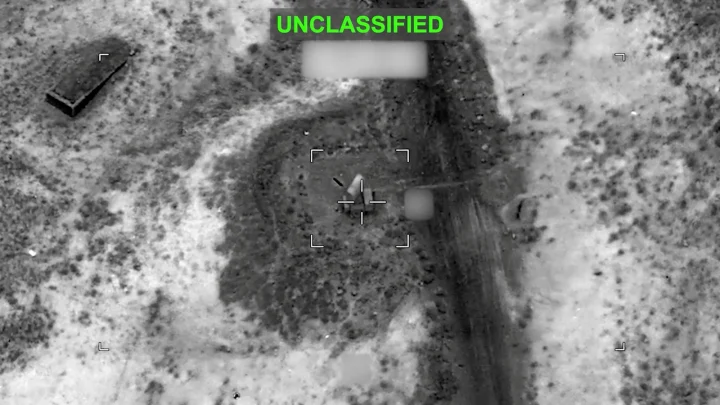
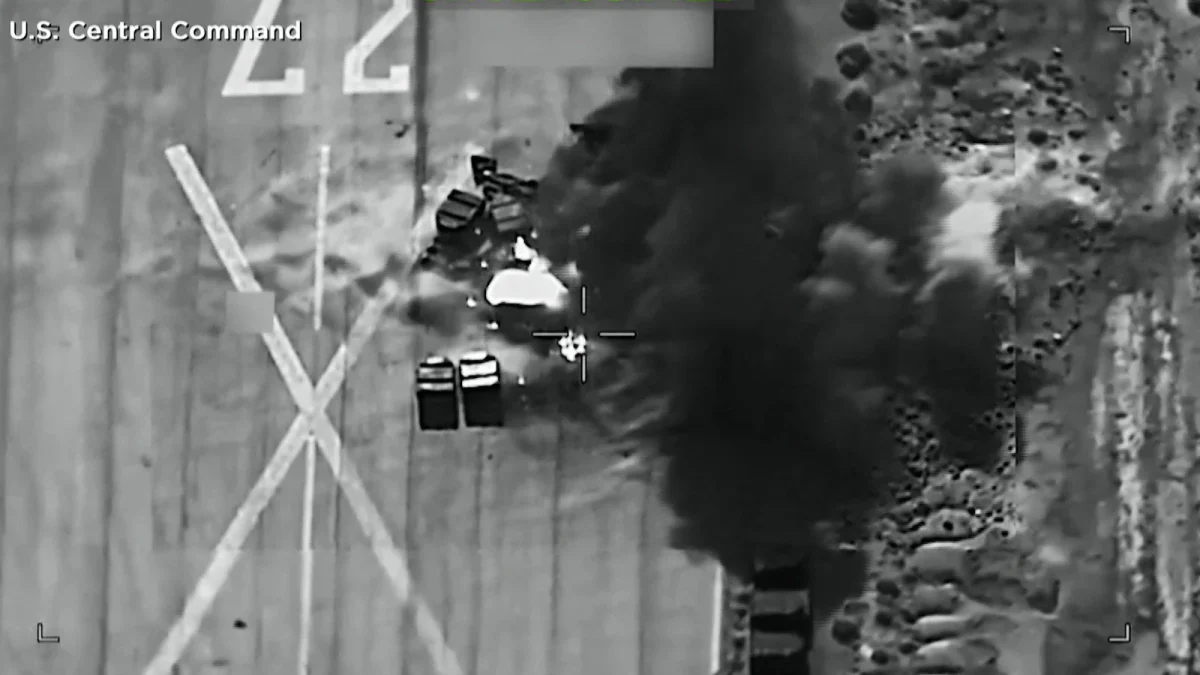
The U.S. Central Command reported over 170 strikes on Iranian targets in recent days, responding to claims that Tehran had attacked commercial vessels in the strait earlier in the week. Qatar confirmed one of the vessels struck was its liquefied natural gas tanker, Al-Rekayyat. In retaliation, Iran claimed to have launched strikes on U.S. bases in Kuwait, Bahrain, and Qatar, escalating the cycle of counterattacks since the MOU’s June 17 signing.
Regional Accord and Diplomatic Challenges
Qatar and Pakistan were instrumental in drafting the 14-point MOU, which aimed to reopen the Strait of Hormuz and end the U.S. naval blockade of Iranian ports. The agreement also set a 60-day pause on hostilities to facilitate final negotiations, covering issues like Iran’s nuclear material. Despite the recent escalations, Ansari stated talks remain active, though progress has been “slowed by the ongoing conflict.”
“Talks haven’t collapsed, but the current clashes are threatening the diplomatic momentum,” the Qatari official said, stressing the need for sustained dialogue to avoid renewed hostilities.
President Donald Trump previously suggested the MOU was “no longer valid,” criticizing Iranian leaders as “scum” and hinting at further military action. Ansari countered that Doha and other parties are “still engaged in discussions,” though the situation has “tested the progress made.” The official emphasized that the focus must remain on resolving the crisis through diplomacy rather than alternating with military strikes.
A Reuters image from Iranian state TV, dated July 8, 2026, reportedly shows a missile launched from an unknown location. The visual underscores the continued tension, as both nations navigate the delicate balance between conflict and negotiation.