Tyunews.com – “`html
DNC Moves Forward With 2028 Primary Schedule Decision
The Democratic National Committee set to take a pivotal vote this week that will fundamentally reshape the timeline for selecting its presidential nominee in 2028. This upcoming determination carries enormous significance, as it establishes which voters receive priority access to influence the nomination contest. Additionally, the scheduling decision serves as a critical test of whether candidates can reconstruct the voter coalitions that proved elusive during the 2024 campaign cycle. Party leaders recognize that getting this timing right could make or break their chances of winning the White House.
The sequence of primary contests plays a vital role in presidential campaigns across both major parties. Early results and voter enthusiasm in initial states provide crucial signals about which candidates possess momentum and genuinely connect with the electorate. This timing can either accelerate or hinder a candidate’s path to the nomination, making the calendar one of the most contested elements of any election cycle. Strategic positioning in early states often determines fundraising success and media coverage for months to come.
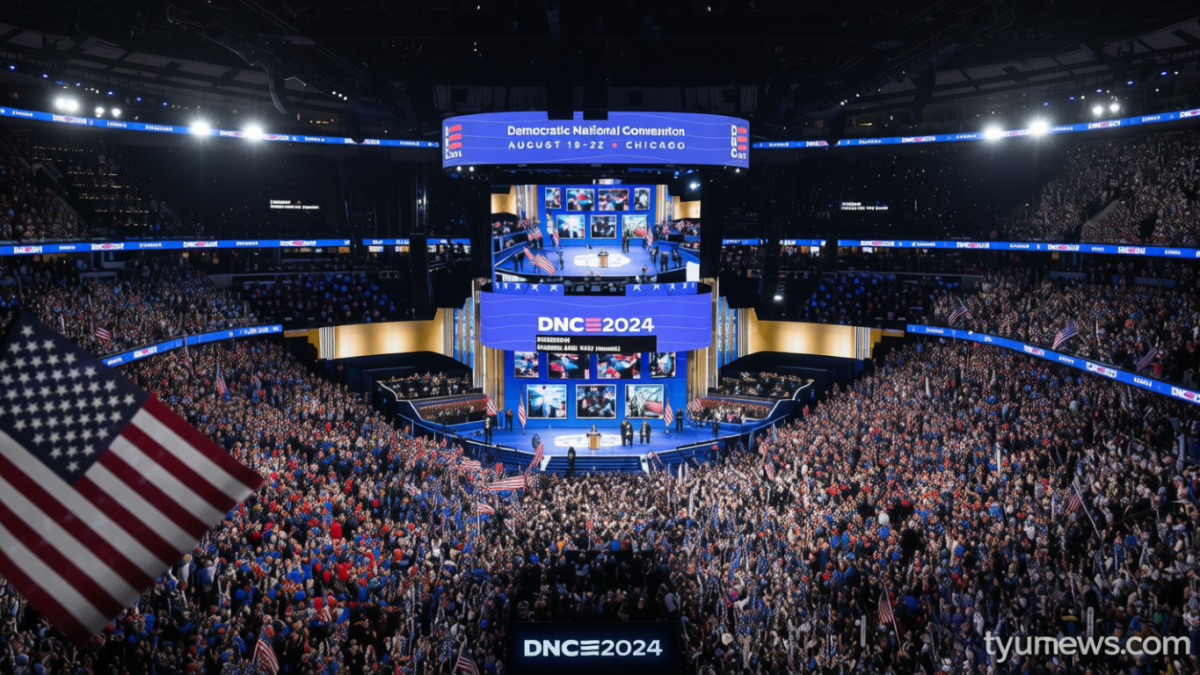
Balloons fall as US Vice President and Democratic presidential candidate Kamala Harris concludes her remarks at the end of the fourth and last day of the Democratic National Convention (DNC) at the United Center in Chicago, Aug. 22, 2024. Mandel Ngan/AFP via Getty Images
Committee Deliberations Underway
During Thursday and Friday sessions, the Rules and Bylaws Committee will engage in extensive discussions regarding the twelve states that submitted applications to host contests within the 2028 “early window.” The committee will evaluate which states qualify for this privileged position and establish their chronological order based on demographic diversity and electoral importance. Members are considering factors ranging from population size to historical voting patterns when making their recommendations.
Should the committee reach a decision, the complete DNC must ratify the schedule during its scheduled summer gathering in August. This ratification process ensures that all party members have input into the final calendar structure. The August meeting will also address any appeals or objections raised by state parties during the deliberation period.
The scheduling debate intersects with several ongoing party discussions happening simultaneously. These include racial representation concerns, strategies for engaging working-class constituents, and approaches to reaching demographic groups that Democrats felt they failed to adequately connect with in 2024. The calendar also factors into maintaining competitiveness against a Republican Party that has accumulated substantial financial resources and built strong grassroots networks across multiple states.
Related: Kamala Harris eyes possible 2028 comeback, but some former allies look to ‘fresh’ faces
States Compete for Early Position
Nevada and South Carolina have emerged as leading contenders for the first spot in the 2028 primary sequence. The Congressional Hispanic Caucus’ campaign division recently advocated for Nevada, emphasizing that the state’s substantial Latino demographic would help candidates develop messaging that resonates across competitive battleground regions. Nevada’s diverse population makes it an ideal testing ground for national campaigns.
Meanwhile, South Carolina Democrats have presented their case by highlighting their state’s unique combination of Black, working-class, and rural voters. They argue this constituency represents essential support that Democrats must cultivate to secure victory in 2028. The Palmetto State’s historical significance in Democratic politics adds weight to their application for the opening position.
The Democratic National Committee (DNC) headquarters, Nov. 16, 2023, in Washington, D.C. Kevin Dietsch/Getty Images
Enforcement Mechanisms Proposed
The primary calendar could generate additional party complications if certain state organizations choose to disregard the DNC’s established sequence. Last month, the Rules and Bylaws Committee approved potential sanctions for states that conduct contests outside the designated order. These penalties could range from financial deductions to reduced representation at future party events.
State parties retain the ability to avoid penalties by proving they attempted to maintain compliance while navigating state legislation or other obstacles. However, presidential candidates themselves might face exclusion from DNC-sanctioned debates or lose access to benefits associated with votes cast in non-compliant states. This additional proposal requires full endorsement during the August meeting before becoming official party policy.
Meanwhile, Republican leaders have signaled intentions to maintain the scheduling approach utilized in 2024, with Iowa and New Hampshire taking the lead positions. This parallel development means both parties could see similar competitive dynamics in their respective nomination processes. The contrast between party calendars may also influence voter engagement and media attention patterns.
ABC News’ Juhi Doshi contributed to this report.
“`