House and Senate Fail to Pass FISA Extension Before Friday Deadline
Tyunews.com – On Thursday, both the House and Senate faced a critical failure to secure a short-term extension of the Foreign Intelligence Surveillance Act (FISA), as the law approached its Friday expiration deadline. The inability to pass a three-week renewal of the surveillance program has raised concerns about potential disruptions to intelligence operations and the administration of justice. House members narrowly rejected the proposed extension with a vote of 198-218, falling short of the required two-thirds majority. This marked the first time in recent history that the House and Senate could not pass a FISA extension, highlighting growing partisan divisions over the program’s role in national security.
Partisan Tensions and Key Legislative Moves
The legislative stalemate stemmed from intense debate over the scope and oversight of FISA, particularly Section 702, which authorizes the collection of foreign intelligence through electronic surveillance. Democrats, including House and Senate leaders, opposed the measure, citing concerns about privacy violations and the influence of Trump’s appointees on the program. Meanwhile, Republicans argued that the law is essential for combating global threats and protecting American interests. The House and Senate fail to pass the extension despite multiple attempts, with each chamber struggling to find common ground on the issue.
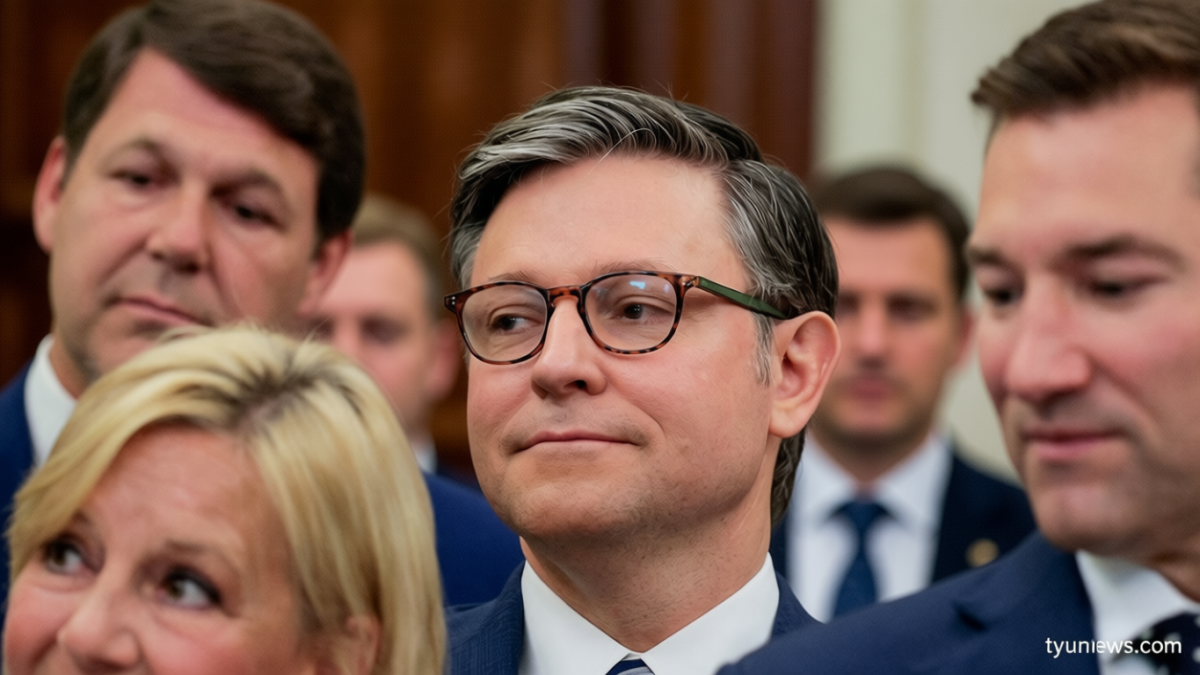
House Speaker Mike Johnson criticized Democrats for blocking the renewal, calling it a political move to undermine the program. “Today, we just offered a simple, clean, three-week extension of the FISA national security law. The Democrats, 199 of them, voted against a clean, three-week extension for political purposes,” he said. The speaker’s comments underscored the frustration of Republicans, who viewed the rejection as a deliberate effort to weaken FISA’s effectiveness. Conversely, House Minority Leader Hakeem Jeffries accused Republicans of prioritizing partisan agendas over national security, stating, “The House and Senate fail to pass the extension because they support policies that make this country less safe.”
Leadership Efforts and the Role of Trump’s Appointees
Senate Majority Leader John Thune sought to secure a one-week extension, aiming to bridge the gap until the acting director of national intelligence could be replaced. His proposal faced fierce opposition from Democrats, who maintained that the program should be reevaluated before any new authorization. The House and Senate fail to pass the extension, with Thune arguing that the program’s expiration would leave the nation vulnerable. “I can’t for the life of me figure out why the Democrats continue to support policies that make this country less safe,” Thune remarked, emphasizing the urgency of maintaining FISA’s legal framework.
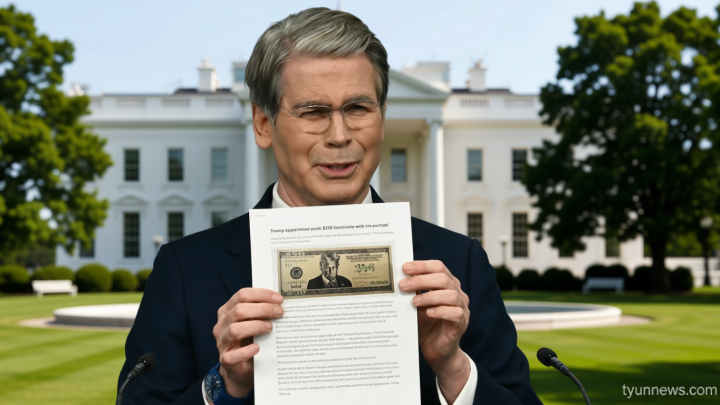
President Donald Trump’s appointment of Bill Pulte as acting director of national intelligence became a focal point of the debate. Critics, including Democrats, highlighted Pulte’s limited experience in national security, law enforcement, and military affairs. They argued that his interim leadership would compromise the program’s integrity. Meanwhile, Republicans defended the decision, asserting that Pulte’s background in financial oversight provided a pragmatic approach to managing the intelligence apparatus. The House and Senate fail to pass the extension, with both parties accusing each other of obstructionism and prioritizing political gains over policy stability.
Following the failed votes, Trump announced the appointment of Jay Clayton as the permanent replacement for the director of national intelligence. This move was seen as a strategic effort to stabilize the program and ensure its continued operation. Clayton, a former SEC chair, is expected to bring expertise in regulatory oversight to the role. However, the House and Senate fail to pass the short-term extension, leaving the FISA program in limbo until a full legislative agreement is reached. The deadline for a permanent solution remains unclear, with lawmakers now set to leave for recess, adding to the uncertainty surrounding the surveillance law’s future.
Analysts warn that the expiration of FISA could have significant consequences for intelligence operations, particularly in monitoring foreign communications and tracking potential threats. The House and Senate fail to pass the extension, which has sparked concerns about the effectiveness of congressional oversight and the potential for gaps in surveillance capabilities. As negotiations continue, the debate over FISA’s renewal remains a key test of bipartisanship in the current political climate. The final outcome will depend on lawmakers’ ability to reconcile their differing priorities and secure a compromise that satisfies both parties.