Trump Designates Disaster Aid to 9 Republican-Leaning States Amid Political Endorsements
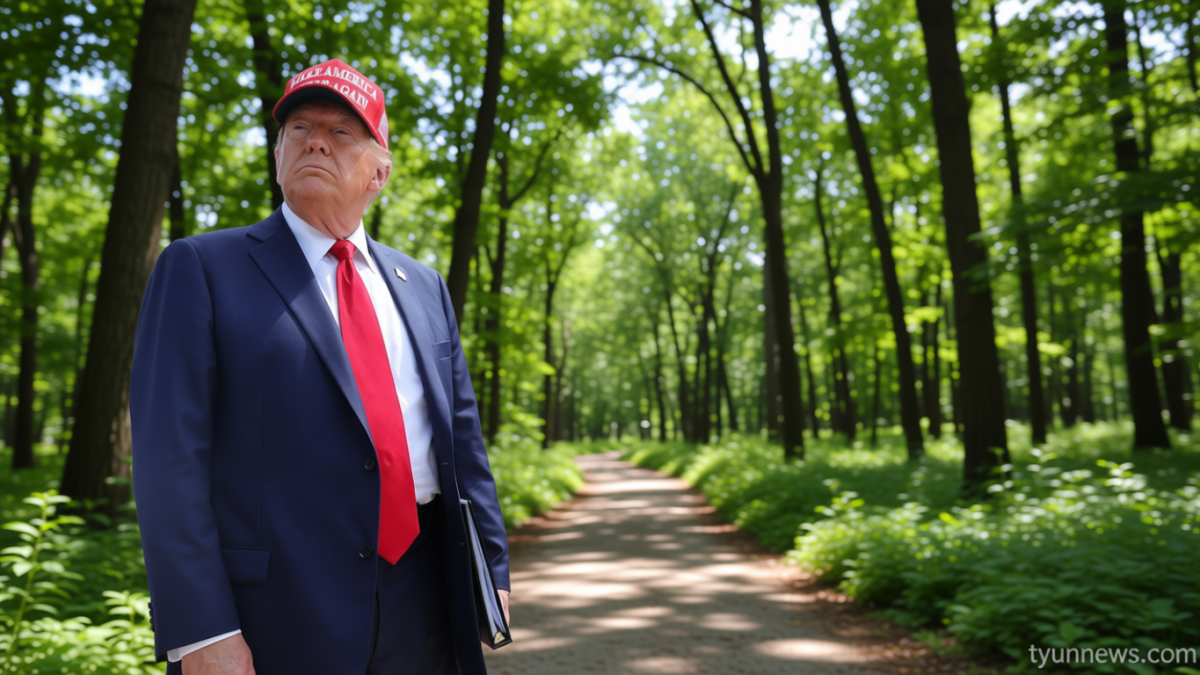
Tyunews.com – President Donald Trump has officially approved over $846 million in disaster relief funding for nine states with strong Republican support, a move that coincides with his public backing of GOP candidates in key electoral races. The decision, announced through multiple social media posts, underscores a strategy of aligning federal aid with political priorities, as Trump emphasized the importance of assisting states that have demonstrated robust conservative leadership in the face of natural disasters.
Among the nine states, Louisiana, Utah, and Kentucky received significant allocations, with each state’s leadership highlighted in the president’s statements. Trump’s emphasis on these states reflects a broader pattern of directing resources to regions where his party holds sway, potentially influencing voter perceptions of his administration’s responsiveness during crises. The timing of the aid approvals has raised questions about the extent to which political considerations may shape disaster response efforts.
Partisan Disparities in FEMA Aid Distribution
“I am pleased to announce that Louisiana has received $8.6 million in disaster relief under its declaration request. This state, with its exceptional leaders like Governor Jeff Landry and Senator John Kennedy, deserves this assistance,” Trump stated in one of the posts.
Analyses reveal a pronounced partisan divide in the approval of disaster aid. According to the Urban Institute, nearly 84% of disaster declaration requests from states that supported Trump in 2024 were granted, while only about 42% of similar requests from Democratic-leaning states received federal backing. This discrepancy has sparked debates about whether the aid process is being used as a tool to bolster political allies, with critics arguing that it undermines the impartiality of federal disaster relief.
White House Defense of Aid Decisions
“A President Trump provides a more meticulous review of disaster declarations than any prior administration. He ensures federal funds are allocated wisely, supporting states without replacing their responsibility to act in crises,” a White House spokesperson explained.
The statement contrasts Trump’s approach with that of the Biden administration, which the spokesperson claims withheld aid from areas with opposing political leanings. Recent incidents, such as the dismissal of a FEMA supervisor in Florida for allegedly avoiding inspections of homes with Trump campaign signs, have fueled claims of political bias in the aid process. These actions are seen as part of a larger effort to shape public opinion and support GOP candidates during the 2024 election cycle.
Experts warn that such decisions could have long-term consequences for the perception of federal aid. “When disaster relief is tied to political endorsements, it risks eroding public trust in the impartiality of the process,” said a political analyst. The funding allocations also highlight the strategic importance of early voting states, where Trump’s support remains strong, and the potential influence of his actions on the broader election narrative.
Additional examples of the aid process’s political dimension include Trump’s initial denial of assistance for wildfires in Colorado under Democratic Governor Jared Polis, followed by a reversal after pressure from local leaders. Similarly, in Washington state, Trump’s administration rejected aid for flood damage despite documented losses, a decision that drew sharp criticism from bipartisan lawmakers and community advocates.
With the 2024 presidential election approaching, the strategic timing of these disaster aid approvals is viewed by some as a calculated move to reinforce Trump’s image as a leader who prioritizes conservative states. The financial support for these regions is expected to bolster GOP candidates’ campaigns, potentially shaping voter behavior in pivotal states where the race is closely contested.