Trump Meets NATO Allies Amid Year of Turbulence
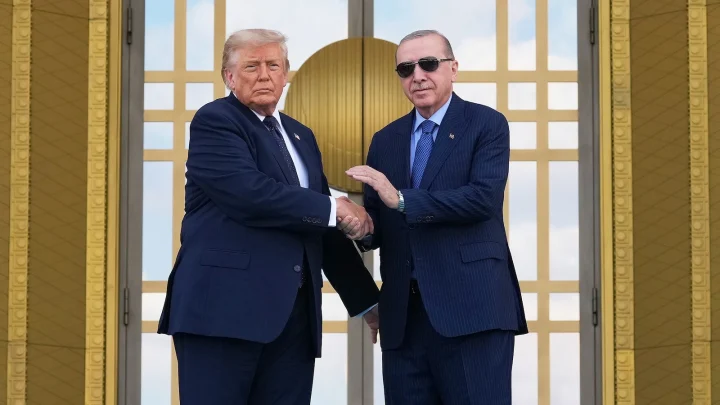
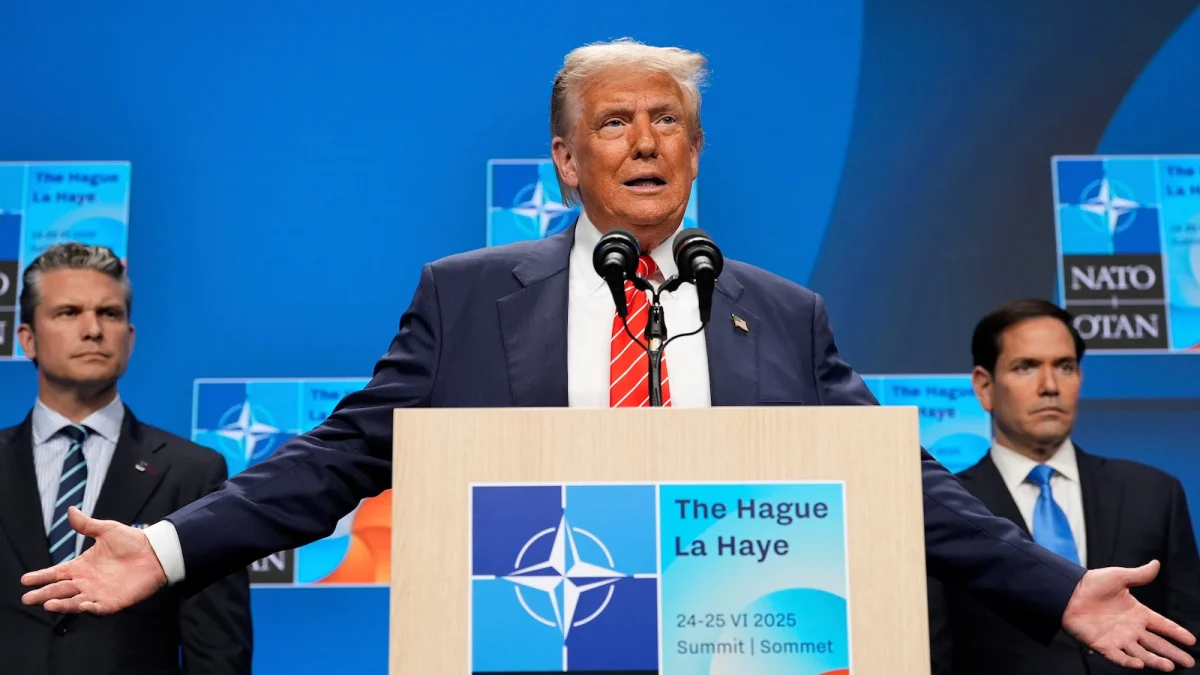
Tyunews.com – Donald Trump’s recent meeting with NATO allies marks a critical moment in the alliance’s ongoing evolution, following a year of political and strategic shifts. The summit, held in Ankara, brings together leaders from across the North Atlantic Treaty Organization to address pressing concerns and reaffirm commitments. For Trump, this gathering serves as both a reassurance of transatlantic unity and a platform to push his agenda, which includes reevaluating the role of European nations in NATO’s defense structure. As tensions with Russia persist and global events reshape security priorities, the summit aims to solidify the alliance’s resolve while navigating internal divisions.
Rebuilding NATO Solidarity
The meeting comes at a time when NATO has faced significant challenges, particularly under Trump’s leadership. His frequent criticism of European allies for not meeting defense spending targets—set at 2% of GDP—has created friction, though recent data shows some progress. NATO Secretary General Mark Rutte has highlighted that member nations have collectively increased their financial contributions by 20% over the past year, a development that underscores growing commitments. However, the summit in Ankara is seen as a test of whether these efforts translate into lasting unity. Trump’s insistence on a “defense industrial revolution” reflects his desire for a more European-led NATO, which could redefine the alliance’s balance of power.
“The U.S. spends more on NATO than any other country, yet we are constantly told we are not doing enough,” Trump stated during a recent press conference.
Analysts note that while the financial pledges are promising, the summit lacks concrete resolutions, leaving many questions unanswered. This uncertainty highlights the delicate interplay between Trump’s demands and the varying interests of NATO members. For instance, while some countries have met their spending targets, others, like Germany, remain cautious, balancing their contributions with domestic economic priorities. The outcome of this meeting will be closely watched as a sign of NATO’s ability to adapt to a rapidly changing global landscape.
Strategic Realignment and Troop Adjustments
Recent months have seen a strategic reevaluation of NATO’s military posture, particularly in Europe. Defense Secretary Pete Hegseth’s June meeting in Brussels sparked discussions about the need to recalibrate troop deployments, with some allies accused of under-contributing to collective defense. This review has led to a six-month assessment of the U.S. military footprint, including the withdrawal of brigade combat teams from Romania and Germany. The Pentagon’s rationale for this shift is grounded in the belief that Europe is increasingly capable of managing its own conventional defenses, reducing the need for sustained U.S. involvement.
However, critics argue that these adjustments may weaken NATO’s deterrence capabilities. Cameron McMillan of the Foundation for Defense of Democracies pointed out, “Unless we plan to deploy Abrams tanks to Taiwan, these troops are essential for deterring Russian advances in Europe.” The debate over troop reductions reflects a broader tension between Trump’s vision of a more autonomous NATO and the security needs of the alliance. This realignment could have far-reaching implications, particularly as the conflict in Ukraine continues to strain NATO’s resources and priorities.
Geopolitical Context and Future Challenges
The summit occurs against a backdrop of heightened geopolitical tensions, including the ongoing war in Ukraine and shifting dynamics in the Indo-Pacific. Allies are expected to reaffirm their support for Kyiv, with Trump planning a separate meeting with Ukrainian President Volodmyr Zelenskyy to discuss further aid and strategic coordination. This dual focus on Europe and Asia underscores the U.S. President’s desire to align NATO’s objectives with global strategic interests. Yet, the meeting in Ankara also highlights the challenge of maintaining NATO’s cohesion while addressing divergent national priorities.
As NATO prepares for the next phase of its evolution, leaders will need to navigate a complex web of concerns. The alliance’s ability to adapt to Trump’s leadership will be tested not only by defense spending and troop movements but also by its response to emerging threats. With the U.S. advocating for a stronger European role, the question remains: will this shift strengthen NATO, or will it create lasting fractures? The answers will shape the alliance’s future for years to come.
“NATO must remain a united front, even as we adjust our roles and responsibilities,” said NATO Secretary General Mark Rutte during the summit’s opening remarks.
Implications for U.S.-European Relations
The meeting in Ankara also serves as a diplomatic opportunity to mend relations strained by Trump’s vocal critiques. While the U.S. President has consistently emphasized the need for European allies to share the burden, the summit aims to foster dialogue on shared goals. Discussions may include joint military exercises, cybersecurity initiatives, and energy security, all of which are critical to the alliance’s stability. Additionally, Trump’s focus on reducing U.S. commitments could lead to a redefinition of NATO’s strategic role, potentially shifting the balance of power in favor of European nations.
Despite these efforts, challenges remain. The alliance’s unity has been tested by differing views on the war in Ukraine, defense spending, and the broader geopolitical landscape. Trump’s assertive approach may alienate some members, but his emphasis on maintaining a strong presence in Europe suggests a commitment to the alliance’s core mission. As the summit concludes, the next steps will be crucial in determining whether NATO can emerge stronger from this period of upheaval, with Trump’s leadership playing a pivotal role in shaping its trajectory.