Trump’s Strait of Hormuz Blockade Ends Last Iran Concession in Preliminary Deal
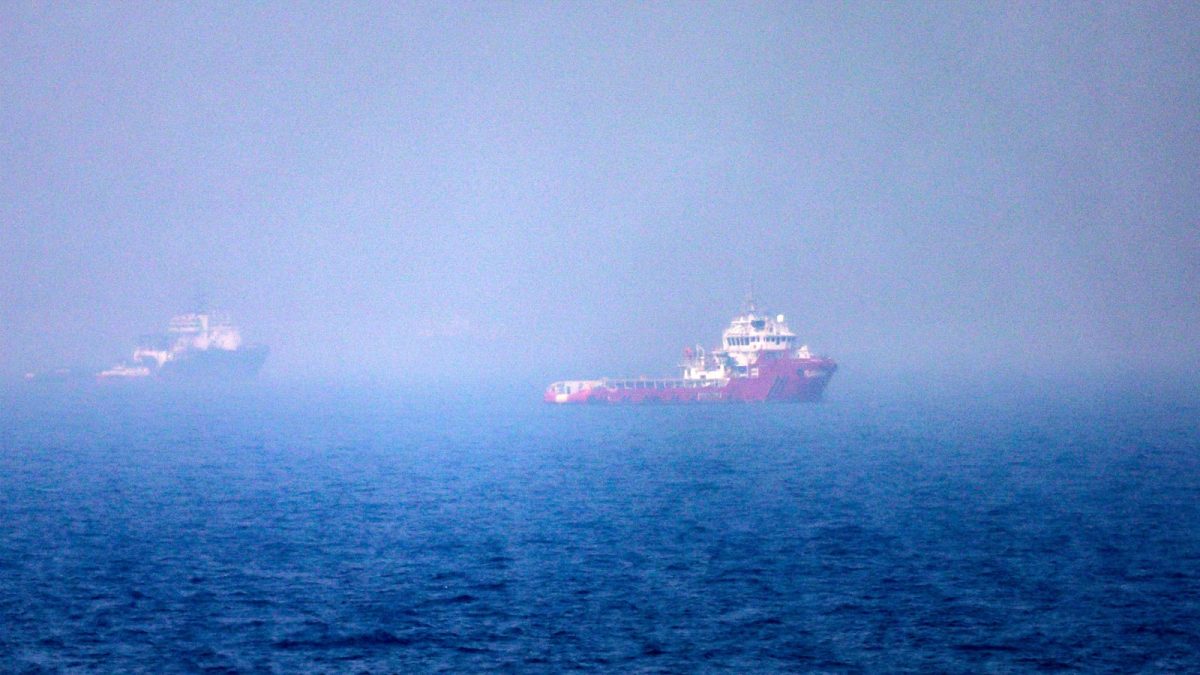
Tyunews.com – President Donald Trump’s decision to reimpose a naval blockade on the Strait of Hormuz marks a pivotal moment in the evolving U.S.-Iran standoff, effectively wiping out the final concession Tehran had secured in a recent preliminary agreement. The move, announced on Monday, signals a shift toward stricter economic measures against Iran, leveraging the strategic waterway as a bargaining chip. The Strait of Hormuz, a vital artery for global oil trade, has been a focal point of tension for years, and Trump’s actions are seen as a direct challenge to Iran’s influence over its passage. This development comes as the U.S. seeks to assert dominance in the region and recoup financial benefits from the critical maritime route.
The Final Concession and Its Collapse
The previous agreement, signed at the Palace of Versailles just 26 days prior, had allowed Iran to maintain a degree of control over the Strait of Hormuz while pledging to reduce its regional aggression. This concession was a key element in efforts to ease hostilities and stabilize the Middle East. However, Trump’s blockade, which targets commercial vessels traversing the strait, has eroded that agreement. By reintroducing the embargo, the administration has taken a firm stance, prioritizing economic leverage over diplomatic flexibility. The move is expected to pressure Iran into renegotiating terms, as the strategic waterway remains a lifeline for its oil exports.
“All other countries will have fair and open use of the Strait,” Trump stated in a social media post, emphasizing the U.S. role as “THE GUARDIAN OF THE HORMUZ STRAIT.” He further argued, “We guarded the strait for 50 years and never got paid for it,” during a Fox News interview, framing the action as a long-overdue adjustment to U.S. economic interests. The proposed 20% share of cargo costs for safe passage through the strait is a bold attempt to capitalize on Iran’s strategic position, potentially reshaping the financial dynamics of the region.
Geopolitical Tensions and Strategic Implications
The resumption of the blockade follows a weekend of diplomatic stalemate, with U.S. and Iranian officials reportedly on the brink of abandoning the preliminary deal. Analysts suggest that the move reflects growing doubts about Iran’s commitment to the agreement, particularly as it continues to develop its nuclear program and regional military presence. The U.S. Central Command indicated the formal notice detailing the fee mechanism would be issued by Tuesday at 4 p.m. ET, but the broader implications of the decision are already clear.
Iran’s control over the Strait of Hormuz has long been a point of contention, with Trump frequently criticizing the nation’s economic impact on global markets. The blockade is part of a larger strategy to curb Iran’s ability to generate revenue from oil exports, a key pillar of its economy. By imposing tariffs on ships using the strait, the administration aims to reduce Iran’s financial gains and increase its leverage in negotiations. This approach underscores a blend of economic pressure and strategic dominance, as the U.S. seeks to reassert its influence in a region critical to international energy security.
While the initial focus of the blockade was to disrupt Iran’s economic foothold, its broader impact extends to global trade. The Strait of Hormuz is responsible for approximately 20% of the world’s oil supply, and any disruption could lead to significant price fluctuations. Trump’s administration has already faced criticism for its aggressive posture, but supporters argue that the move is necessary to counter Iran’s growing power. The blockade also highlights the U.S. commitment to safeguarding its interests in the region, even as it navigates complex geopolitical landscapes.
Reactions from allies have been mixed. Some nations, including key partners in the Gulf, have expressed concerns about the potential economic fallout from the blockade. Secretary of State Marco Rubio, a vocal advocate for the strategy, noted during a Bahrain visit that “there isn’t a nation on earth that supports having to pay money to go through the straits,” a statement that underscores the widespread skepticism of the toll. Despite this, the administration remains resolute, with Trump’s resolve to extract revenue from the strait intensifying since the conflict escalated in late February.
The U.S. has long maintained a military presence in the region to protect the Strait of Hormuz, and this latest move is a continuation of that effort. By combining economic sanctions with military readiness, the administration aims to create a multifaceted approach to containing Iran. The blockade also serves as a reminder of the U.S.’s historical role in ensuring the free flow of oil, a responsibility it has upheld for decades. While the strategy may strain diplomatic relations, it is seen as a necessary step to secure long-term economic and strategic advantages in the region.