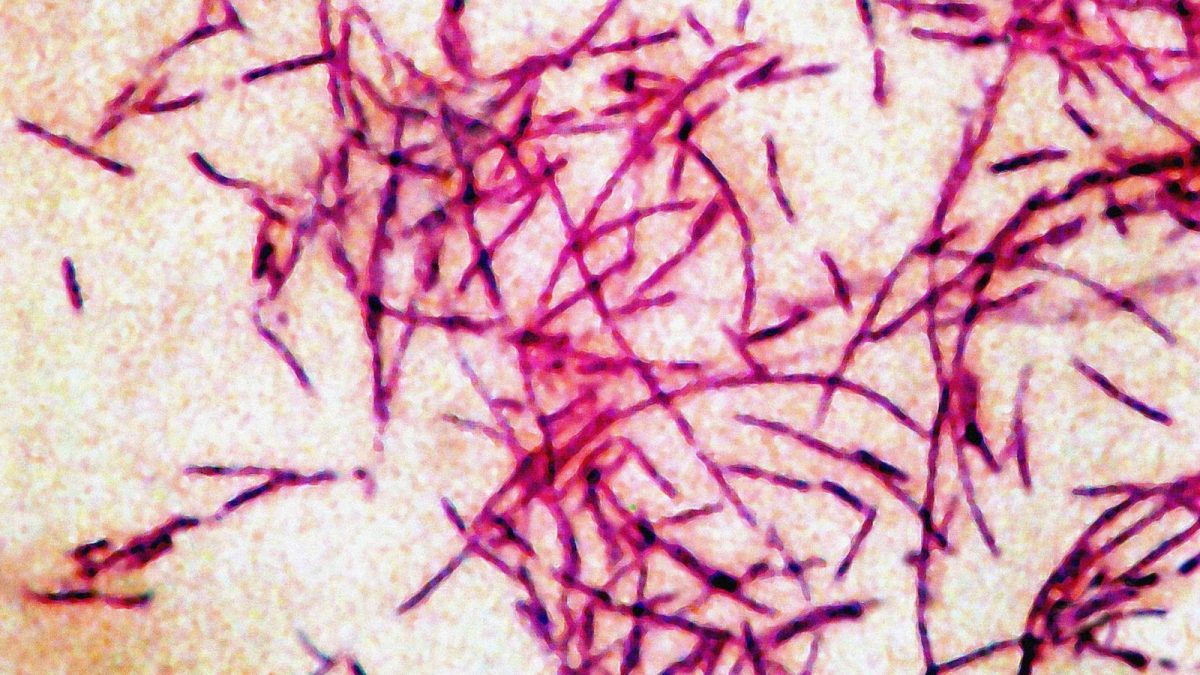
Third Person Dies from Legionnaires’ Disease in New York City Outbreak
Tyunews.com – New York City health officials have confirmed the tragic death of a third individual from Legionnaires’ disease, marking a significant escalation in the ongoing outbreak on the Upper East Side. The New York City Health Department reported 74 confirmed cases as of the latest update, with eight patients still hospitalized. This latest fatality has intensified public concern and prompted authorities to intensify efforts to identify the outbreak’s source and implement measures to curb its spread. Legionnaires’ disease, a severe form of pneumonia, has become a focal point for health experts, highlighting the importance of vigilance in water system safety.
Outbreak Details and Public Health Response
The outbreak, linked to a community cluster in the Upper East Side, has affected residents in specific zip codes, including 10028, 10075, and 10128, which cover neighborhoods like Carnegie Hill and Yorkville. Health officials have issued urgent advisories urging individuals in these areas to monitor for flu-like symptoms and seek medical attention promptly. The New York City Health Commissioner, Dr. Alister F. Martin, emphasized the gravity of the situation in a statement, stating, “It is with great sadness that I report a third person has died in connection with the Legionnaires’ disease community cluster on the Upper East Side.” The commissioner also noted the city’s commitment to supporting affected families and communities during this challenging time.
In response to the outbreak, the city’s health department has taken proactive steps to trace the source of the Legionella bacteria. Cooling towers, which are known to be a common breeding ground for the pathogen, are now under close inspection. The agency has confirmed that the bacterial source has been eliminated from the affected areas, but ongoing surveillance is being conducted to prevent further cases. Public health officials are also working to educate residents about the importance of maintaining water systems to reduce the risk of contamination.
Understanding Legionnaires’ Disease
Legionnaires’ disease is caused by the inhalation of water droplets contaminated with Legionella bacteria, which thrive in warm water environments such as cooling towers, hot water tanks, and plumbing systems. The disease typically presents with symptoms like fever, cough, shortness of breath, and muscle aches, often mimicking the flu. However, its severity can quickly escalate, particularly in individuals with weakened immune systems or pre-existing respiratory conditions. According to the NYC Department of Health, symptoms may appear anywhere from two to 14 days after exposure, making early detection critical.
While the majority of cases result in recovery with antibiotic treatment, the third fatality underscores the potential for life-threatening complications. The CDC reports that the disease’s incidence has increased over the past decade, peaking at 2.71 cases per 100,000 population in 2018. This trend has shown fluctuations, with a decline during the initial pandemic year but a resurgence in 2021. The CDC also emphasizes that Legionnaires’ disease does not spread from person to person, which means preventing water contamination is key to reducing outbreaks.
Risk Factors and Prevention Strategies
Individuals at higher risk for severe complications from Legionnaires’ disease include the elderly, smokers, and those with chronic lung diseases or compromised immune systems. The outbreak in NYC has raised questions about the vulnerability of certain populations to the bacteria, particularly in densely populated urban areas. Public health experts have warned that aging infrastructure and improper maintenance of water systems can contribute to the proliferation of Legionella. To mitigate risks, residents are advised to ensure their plumbing systems are regularly flushed and to monitor for signs of bacterial growth in their homes or workplaces.
Health authorities are also reviewing the city’s water management protocols to determine if any lapses contributed to the outbreak. Cooling towers, which are often used in large buildings and public spaces, are a primary concern due to their potential to disperse bacteria into the air. The Health Department has confirmed that all cooling towers previously testing positive for Legionella have been inspected, and corrective actions have been taken to eliminate the threat. However, the incident serves as a reminder of the need for continuous monitoring and proactive measures to prevent future outbreaks.
Community Impact and Ongoing Efforts
The third fatality has had a profound impact on the affected community, with many residents expressing fear and uncertainty about their health. Public health officials are working closely with local authorities to provide updates and guidance, while also collaborating with healthcare providers to ensure timely diagnosis and treatment. The city has launched a campaign to raise awareness about Legionnaires’ disease, focusing on symptoms, prevention, and the importance of early intervention. This includes distributing informational materials and holding community briefings to address concerns and provide resources.
As the situation develops, the focus remains on containing the outbreak and preventing additional cases. The Health Department has pledged to remain transparent with the public, sharing data and findings regularly. With 74 confirmed cases and eight hospitalizations, the scale of the outbreak highlights the need for coordinated efforts between health agencies, building managers, and residents. The third person’s death is a stark reminder of the disease’s potential danger, and health officials are determined to ensure that the community is equipped to respond effectively to similar incidents in the future.