DOJ Warns State Officials Ahead of Midterms Over Noncitizen Voting
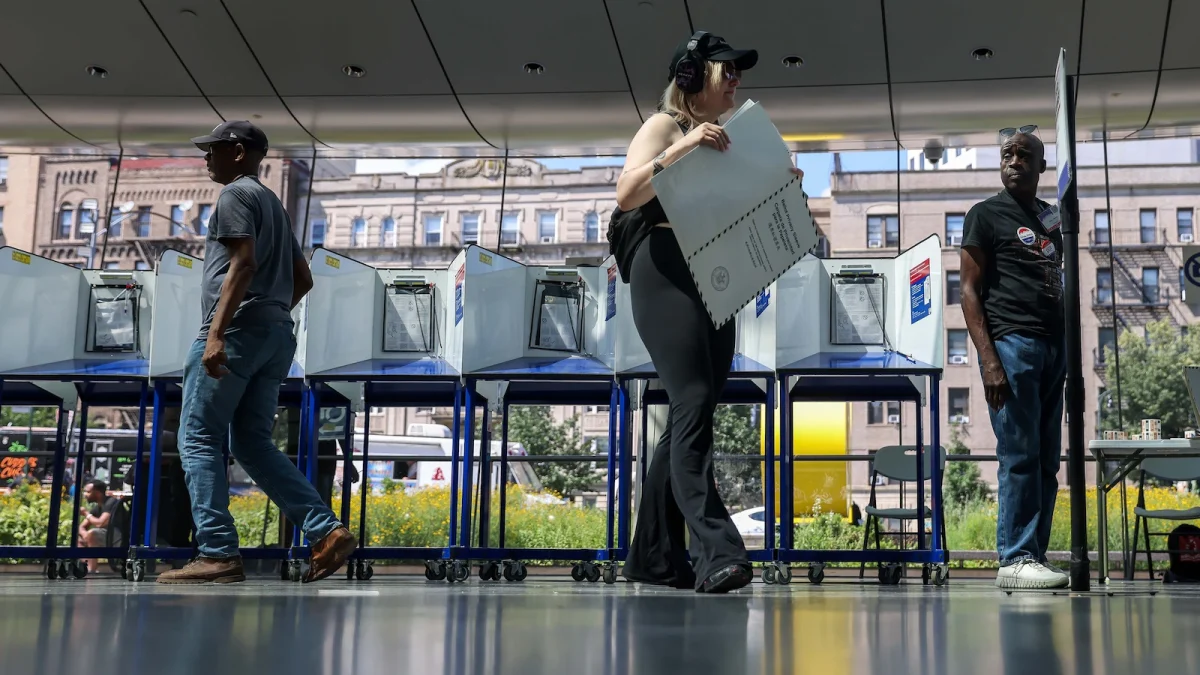
Tyunews.com – As the U.S. midterm elections approach, the Department of Justice (DOJ) has issued a stark warning to state officials, emphasizing the risk of “potential criminal penalties” for failing to enforce laws against noncitizen voting. The move underscores the federal agency’s growing scrutiny of election procedures, particularly in states where voter eligibility remains a contentious issue. The DOJ’s communication aims to reinforce compliance with federal regulations, which require states to maintain accurate records and prevent unauthorized ballots from influencing election outcomes.
DOJ Letters Highlight Legal Risks for State Officials
The Civil Rights Division of the DOJ has directed letters to election administrators in at least six states, including Nevada, Arizona, and Colorado, stressing the consequences of noncompliance. These documents assert that the federal government retains the authority to pursue both civil and criminal actions against officials who neglect their duty to uphold voting laws. One recipient described the warnings as “threatening,” reflecting concerns about the administration’s push to politicize election integrity during a pivotal voting period.
“In addition to the Civil Rights Division’s authority to seek injunctive relief for violations of these laws, we are also authorized to prosecute criminal violations,” stated Harmeet Dhillon, Assistant Attorney General for Civil Rights, according to ABC News.
The focus on noncitizen voting aligns with broader efforts to scrutinize election practices, particularly under the Trump administration. While the legal framework prohibits noncitizens from casting ballots, experts note that the practice occurs infrequently. A 2017 Brennan Center for Justice analysis found that noncitizens accounted for just 0.0001% of votes in the 2016 election across 42 jurisdictions. Despite this rarity, the DOJ’s repeated emphasis on the issue has intensified debates over its relevance to current electoral concerns.
Political Context and State Responses
The timing of the DOJ’s outreach coincides with heightened political tensions ahead of the midterms, where issues of election fairness are central to voter turnout. State officials have been called upon to respond within five days, detailing their plans to ensure compliance with federal standards. Nevada Secretary of State Francisco Aguilar has criticized the DOJ’s approach, arguing that existing safeguards already minimize the risk of noncitizen voting. “This new request may seem straightforward, but it’s just another attempt from the Trump Administration to cast doubt on our elections just ahead of the midterms,” he said in a statement.
Meanwhile, the DOJ has not yet clarified the rationale behind the targeted letters, leaving room for speculation about the strategy’s intent. The initiative could be interpreted as a preemptive measure to address potential challenges to election legitimacy, or as an effort to pressure states into aligning with federal policies. With the midterms looming, the legal and political stakes for state officials are rising, as they navigate the balance between ensuring voting accuracy and maintaining public trust in the electoral process.
Broader Implications for Election Integrity
The DOJ’s actions reflect a broader trend of federal oversight in state-level elections, which has become a focal point of political discourse. By highlighting the threat of criminal penalties, the agency seeks to underscore the importance of strict adherence to federal voting laws. This approach has sparked discussions about the role of federal agencies in shaping election procedures and the potential for such interventions to influence voter behavior. In the lead-up to the midterms, the DOJ’s warnings may serve as a tool to rally support for its policies or to preempt criticisms of election administration.
As the focus shifts toward November’s elections, the DOJ’s emphasis on noncitizen voting could shape the narrative around election integrity. While the practice itself is rare, the agency’s high-profile warnings may amplify fears of voter fraud, particularly in states with diverse populations. The interplay between federal enforcement and state autonomy remains a critical aspect of the debate, as officials strive to maintain both legal compliance and public confidence in the electoral system.