New lawsuit challenges Trump’s planned ‘National Garden of American Heroes’
Tyunews.com – A new lawsuit challenges Trump’s planned ‘National Garden of American Heroes’ as preservation and cultural heritage organizations file a federal complaint against the project. President Donald Trump’s initiative to redevelop Washington, D.C.’s urban landscape faces legal scrutiny after the National Park Service and Department of the Interior were accused of ignoring a congressional mandate that restricts the creation of new commemorative works along the National Mall’s central axis. The lawsuit, filed in U.S. District Court for the District of Columbia, argues that the administration’s decision to proceed with the proposal for a sculpture garden in West Potomac Park violates established legal procedures and undermines the integrity of the nation’s historic public spaces.
Historical Significance of the National Mall’s Central Axis
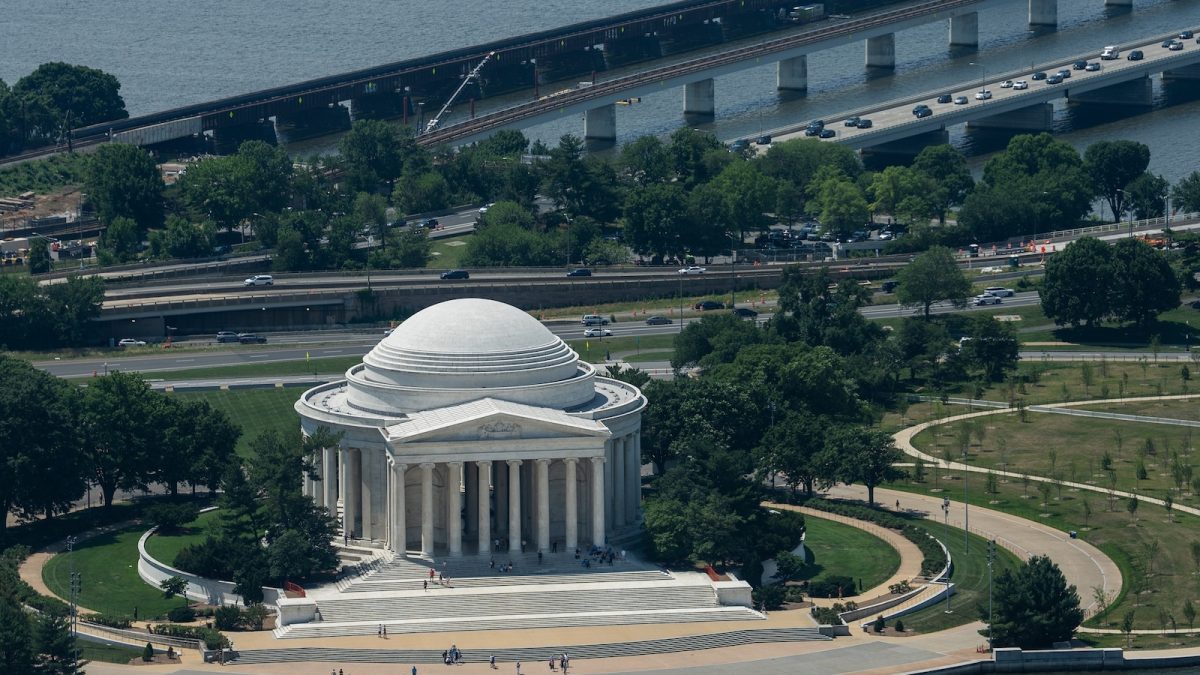
West Potomac Park, located between the Lincoln Memorial to the north and the Thomas Jefferson Memorial to the south, is a cornerstone of the National Mall—a symbolic heartland of American history and civic pride. This area already hosts iconic landmarks such as the Korean War Veterans Memorial, the Martin Luther King, Jr. Memorial, and the Franklin Delano Roosevelt Memorial, which were designed to reflect the nation’s collective values and historical milestones. Trump’s plan to erect 250 life-sized statues of figures like the founding fathers, Johnny Cash, Julia Child, Kobe Bryant, and Muhammad Ali in this space has sparked debate over whether it aligns with the mall’s established purpose or serves as a platform for personal political agendas.
Legal Arguments and Bypassed Regulations
“The West Potomac Plan is unlawful. Congress has made clear that the National Mall is a ‘substantially completed work of civic art’—not a personal sandbox for each President to renovate however he likes,”
the lawsuit states. The legal challenge centers on a 1980 law that designates the National Mall as a protected area, requiring presidential projects to secure congressional approval before altering its central axis. Critics argue that Trump’s administration has circumvented this process by fast-tracking the project through internal approvals, rather than engaging in public consultations or securing legislative backing. The National Endowment for the Humanities, which reports that the project will include up to $200,000 in funding per statue, has also been called into question for its role in supporting the initiative without explicit congressional authorization.
Supporters of the project, including the Trump administration, defend the “National Garden of American Heroes” as a celebration of American greatness, showcasing pivotal figures from history and culture. President Trump has repeatedly highlighted the plan on social media, claiming it will transform a “barren field of prime waterfront real estate” into “one of the world’s most beautiful public spaces.” However, opponents stress that the proposal’s emphasis on iconic figures may reflect a selective narrative, favoring those aligned with the administration’s policies while sidelining others.
Additional details about the project reveal that the proposed sculptures will be placed in a circular arrangement, symbolizing unity and historical progression. The National Park Service is offering up to $200,000 per statue to artists capable of creating three sculptures for the garden, a financial incentive that has drawn attention to the project’s cost and scope. While the administration frames the initiative as a public benefit, the lawsuit asserts that it represents a deviation from the mall’s traditional role as a space for enduring, bipartisan memorials.
Public reaction to the lawsuit has been divided, with some praising the project’s potential to enhance Washington’s aesthetic appeal and others condemning it as a power grab. Historians and preservationists argue that the National Mall’s central axis should remain a dedicated space for monuments that represent the nation’s shared heritage, rather than individual political visions. Meanwhile, Trump’s allies have emphasized the project’s ability to elevate the city’s status as a global symbol of American excellence. The upcoming federal court hearing will determine whether the administration’s actions meet the legal standards for public land development or require reversal.
The lawsuit highlights broader concerns about executive overreach in shaping national landmarks. By bypassing congressional approval, critics claim the Trump administration is setting a precedent for future projects, potentially eroding the collaborative spirit that has defined the National Mall’s development over decades. As the legal battle unfolds, the outcome could influence how future leaders approach the preservation and expansion of America’s cultural and historical sites, with implications for both public engagement and the role of federal agencies in safeguarding iconic landmarks.