Explosions Reported in Damascus Amid Macron’s Syria Visit, State Media Says
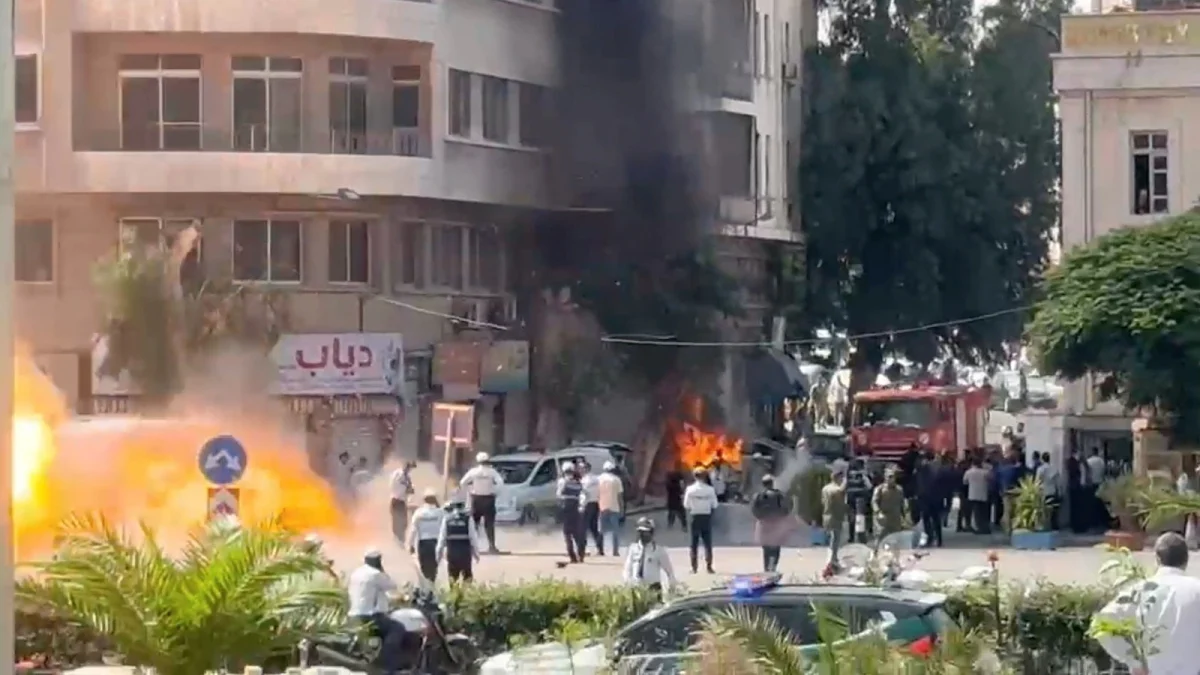
Tyunews.com – Explosions were reported in Damascus during Macron’s visit to Syria, according to Syrian state media. Two blasts occurred near the Ministry of Tourism building on Tuesday, July 7, 2026, as French President Emmanuel Macron held high-level talks with Syria’s interim leader, Ahmed al-Sharaa. The incidents left at least 18 people injured, including four security personnel, and sent shockwaves through the city. Smoke and flames were visible at the scene, which is near a hotel where Macron was scheduled to stay during his trip. The explosions, which happened in the early afternoon, disrupted the diplomatic atmosphere and raised concerns about the safety of the visiting delegation.
Context of Macron’s Diplomatic Mission
Macron’s visit marked his first major engagement in Syria since the ousting of former leader Bashar al-Assad in December 2024. The transition to a new administration, led by Ahmed al-Sharaa, followed a rapid rebel offensive by Hayat Tahrir al-Sham, which overthrew Assad’s regime in a matter of weeks. During his stay, Macron aimed to solidify France’s ties with the emerging Syrian government, emphasizing cooperation on regional stability and economic recovery. The People’s Palace in Damascus, a symbolic venue for political gatherings, hosted key meetings between the French leader and al-Sharaa, with officials hoping to leverage the visit for diplomatic momentum in a region still grappling with conflict.
“I have come to express France’s commitment to the Syrian people,” Macron stated in a social media post. “For a sovereign Syria, united in its diversity and at peace with its neighbors. Together, let us open a new chapter of stability and peace.”
His remarks underscored the significance of the visit, though the timing of the explosions cast a shadow over the optimism surrounding the talks. Analysts noted that Damascus, despite its role as the capital, remains a target for extremist groups due to its strategic importance and the presence of various factions vying for influence.
Previous Attacks Highlight Ongoing Threats
Earlier in the week, a separate explosion at a café near the Justice Palace on July 7 had already claimed at least 10 lives and wounded 20 others. That incident, which occurred just a day before Macron’s arrival, was attributed to a suspected suicide bomber and underscored the persistent security challenges in the city. The two bombings, spaced within a 24-hour period, have intensified speculation about potential threats to Macron’s mission. Syrian officials have not yet confirmed the cause of the latest blasts, though they emphasized that the attacks were likely targeted to disrupt diplomatic progress.
State media described the explosions as “a clear message to the new Syrian leadership” and suggested that the blasts may have been carried out by remnants of the former regime or rival groups. Witnesses reported hearing a loud detonation followed by a plume of smoke rising from the vicinity of the Ministry of Tourism, with the sound echoing across the city’s central districts. The area, known for its historic landmarks and government offices, has seen a series of attacks in recent months, highlighting the fragile security environment even as Syria begins to transition toward a new era.
Impact on City and Diplomatic Ties
The explosions in Damascus, amid Macron’s visit, have prompted immediate responses from both local authorities and the French delegation. Syrian state television aired footage of the aftermath, showing emergency services rushing to the scene and residents evacuating nearby buildings. The timing of the attacks, occurring just days after the fall of Assad, has fueled debates about whether the violence is a direct challenge to the new government or a broader effort to destabilize the country’s progress toward peace. French officials, while not commenting on the blasts publicly, expressed hope that the visit would pave the way for international support and aid to Damascus, which is still recovering from years of war.
International observers have noted that the Syrian conflict has left the country’s infrastructure and security apparatus in a precarious state. The Ministry of Tourism, a key site in the latest blasts, symbolizes the nation’s aspirations to rebuild its economy and attract foreign investment. Macron’s presence in the city is seen as a significant gesture, with his team working to address concerns about the safety of diplomatic missions and the political will to maintain unity. However, the explosions have reignited fears that the transition to a new administration may not be as smooth as initially anticipated, especially given the presence of multiple armed groups and the lingering influence of former regime loyalists.
Investigations and Regional Implications
Authorities in Damascus have launched an investigation into the cause of the explosions, with initial reports pointing to a possible attack by an unidentified group. The Syrian government, which has been trying to portray itself as a stable and cooperative partner, has faced criticism for its delayed response and lack of detailed information. Meanwhile, the French delegation has remained composed, with Macron’s spokesperson stating that the attacks would not deter the country from its diplomatic efforts. The events have also drawn attention from regional allies, with some analysts suggesting that the blasts could be an attempt to test the resolve of the new Syrian leadership and its relationships with Western powers.
As the investigation unfolds, the focus keyword “Explosions reported in Damascus amid” appears again in the context of Macron’s visit. The repeated occurrences of such incidents in the city have raised questions about the effectiveness of current security measures and the potential for further violence. Despite the challenges, Macron’s visit is expected to continue the diplomatic dialogue that has been ongoing since the end of the Assad regime. The French leader’s presence in Damascus, amid the explosions, serves as a reminder of the complex geopolitical landscape and the ongoing efforts to bring stability to the region.