Daftar Isi
Man Stabs Tourists Near the Acropolis in Athens, Greece
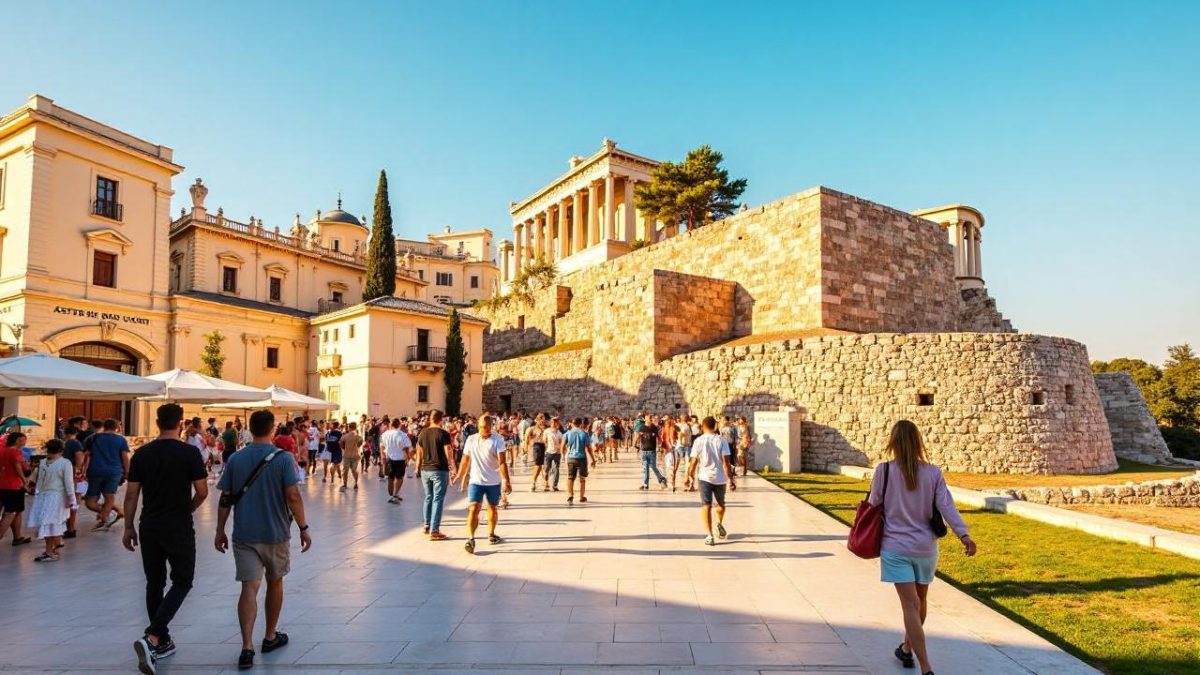
Man stabs tourists near the Acropolis – A shocking incident occurred in Athens, Greece, when a man stabbed two tourists near the iconic Acropolis, sparking concern among visitors and local authorities. The attack took place on Tuesday morning, with the assailant targeting a man and a woman, both of whom are American citizens, just outside the entrance of the Acropolis Museum. According to police reports, the victims were seriously injured, with the man sustaining severe wounds to his arm and the woman receiving minor injuries to her leg. The location, nestled at the base of the ancient Acropolis hill, is a prime destination for tourists, drawing millions of visitors each year.
The Scene of the Crime and Immediate Response
The attack happened in a bustling area of Athens, where the Acropolis Museum is a popular stop for travelers eager to explore the region’s rich history. Witnesses described the assailant as a young man, possibly in his early 20s, who approached the victims with a knife and launched the assault. Emergency services were called swiftly, and the injured were transported to nearby hospitals via ambulance. While the attacker was detained on the scene, his identity remains unknown, though police have indicated he may have been suffering from psychological distress at the time of the incident.
Context and Significance of the Acropolis as a Tourist Destination
The Acropolis, a UNESCO World Heritage Site, is not only a symbol of ancient Greek civilization but also one of the most visited landmarks in Europe. Its historical monuments, including the Parthenon, the Propylaea, and the Erechtheion, have captivated travelers for centuries. However, the recent stabbing incident has raised questions about the safety of this beloved site. Although such attacks are relatively rare in Greece, they have become a growing concern for tourists, especially in areas with high foot traffic and cultural significance.
Investigations and Broader Implications
Authorities are currently investigating the motive behind the attack, with no clear indication of a political or ideological cause. Police have stated that the assailant was not affiliated with any known group and appeared to act alone. This incident has prompted a review of security measures at the Acropolis Museum and other tourist sites in Athens. Local officials emphasized the importance of maintaining vigilance, as the area is often crowded, particularly during peak travel seasons. The psychological state of the attacker is under scrutiny, with experts noting that such acts can occur in public spaces when individuals are experiencing acute stress or mental health crises.
While the exact details of the attacker’s background are still being uncovered, the case highlights the potential for unexpected violence in tourist hotspots. The victims, who are American, were reportedly enjoying the scenic views of the Acropolis when the attack occurred. Their injuries have led to ongoing medical treatment, and both are expected to recover. The incident has also prompted discussions about the need for enhanced security protocols in places like the Acropolis Museum, where large numbers of visitors gather. Local media outlets have covered the story extensively, emphasizing the emotional impact of the attack on the community and the broader tourism industry.
Historical and Cultural Impact of the Attack
The Acropolis, with its nearly 2,500-year-old temples and monuments, is a focal point of Greece’s cultural heritage. The stabbing incident has added a new layer of concern to this historic site, which has long been associated with tranquility and awe. While Greece is generally known for its safe and welcoming environment, this event has underscored the vulnerability of such spaces to sudden threats. The attacker’s choice of location—near the Acropolis—has drawn attention to the delicate balance between preserving the area’s historical charm and ensuring its safety for visitors.
Authorities are working to provide clarity on the attacker’s identity and intentions, with hopes of preventing similar incidents in the future. The case has also sparked a renewed interest in psychological safety assessments for individuals frequenting public areas. Meanwhile, the victims’ families and friends have expressed their gratitude to the emergency responders who arrived promptly to assist. This incident serves as a reminder of the importance of preparedness and the need for continued efforts to safeguard the well-being of tourists in Greece, a country that relies heavily on its tourism industry for economic stability.