Democrats Target Influencers for Midterms and 2028
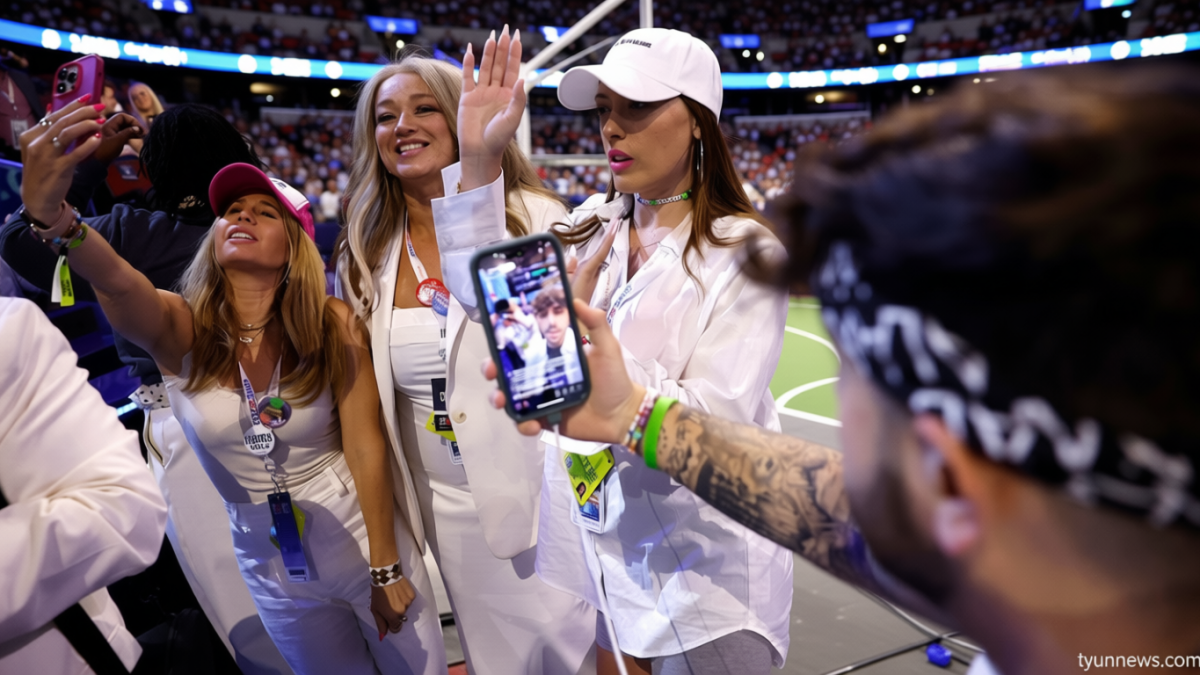
Tyunews.com – Inside the Democratic Party s effort to reclaim digital ground, national leaders are intensifying their outreach to social media creators following the 2024 electoral setback. Republican operatives have built substantial influence across online platforms, prompting Democratic strategists to develop a more comprehensive approach. The party’s national committee has substantially scaled its “Influencer & Creative” program, now partnering with more than five hundred content creators to amplify messaging ahead of the 2026 midterm elections and the 2028 presidential contest.
This strategic push reflects growing awareness of how digital creators shape public opinion. Matt Rein, the DNC’s first director for the influencer initiative, told ABC News that creating lasting infrastructure for creator partnerships remains central to the party’s vision. The program aims to move beyond one-off collaborations toward sustained relationships that benefit both creators and Democratic candidates.
“The program … was something that really needed to be built back up, and I think we’ve absolutely done that over the last year,” Rein stated during his interview.
Building an Inclusive Creator Network
The DNC’s approach distinguishes itself through accessibility. Rather than limiting partnerships to established celebrities, the initiative welcomes creators across a broad spectrum of audience sizes. Participants include those with as few as one thousand followers alongside influencers reaching ten million or more viewers. According to Rein, the strategy prioritizes consistent daily engagement with American audiences over follower counts alone.
Data from Pew Research Center, published in November 2025, reveals significant shifts in how Americans consume political news. Twenty-one percent of U.S. adults now regularly follow news through social media influencers. The trend is even more pronounced among younger demographics, with thirty-eight percent of adults aged eighteen to twenty-nine relying on digital content creators for political updates. This generational divide underscores why Inside the Democratic Party s effort focuses heavily on social media platforms.
Direct Access to Democratic Leadership
Participating influencers gain multiple avenues for engagement with Democratic officials. Creators receive political video segments for sharing alongside regular briefings featuring representatives and party leaders. Recent sessions have included Representative Jason Crow discussing the Iran conflict with over thirty influencers, while Representative Jamie Raskin shared insights about his work with the Jeffrey Epstein investigation files.
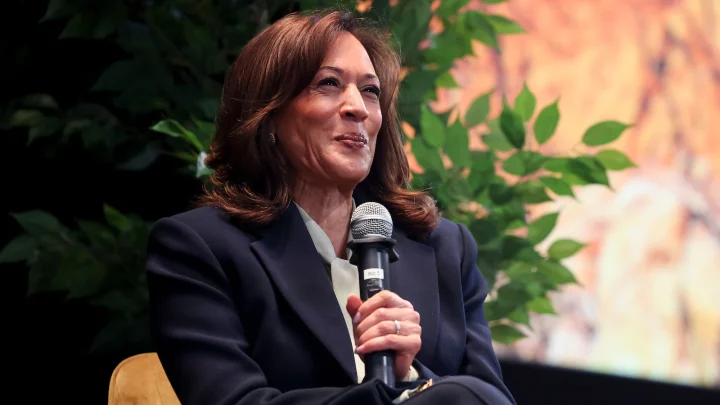
The DNC’s winter gathering featured a special creator event bringing together Arielle Fodor, widely known on TikTok as “Mrs. Frazzled” with 1.4 million followers, and former Vice President Kamala Harris. Such face-to-face interactions help strengthen relationships between creators and Democratic figures.
Exploring Creator-Led Debates for 2028
As campaigns increasingly invest in digital creators, NOTUS reports that the DNC is considering hosting a creator-led debate during the 2028 Democratic presidential primaries. When asked about this potential format, Rein neither confirmed nor rejected the concept, emphasizing instead that his immediate focus involves expanding the network of participating creators.
“I’m focused on ’28 and focused on the future and building these relationships,” Rein explained.
Addressing Transparency Concerns
The growing role of social media influencers in political campaigns has raised questions about disclosure practices. Federal law currently does not require social media influencers to reveal payments received from campaigns or affiliated political organizations. This regulatory gap has become increasingly visible as influencer partnerships multiply.
Progressive activist and billionaire Tom Steyer faced scrutiny during the California gubernatorial primary after compensating influencers to publish supportive content. The Fair Political Practices Commission launched an investigation into whether Steyer’s campaign violated a 2023 California statute mandating that online influencers disclose compensation when endorsing candidates.
The New York Times reported that Carlos Eduardo Espina, an influencer with over seventeen million followers across his platforms, publicly backed Steyer in the California race. Despite this endorsement, Espina did not disclose in his videos that the Steyer campaign had provided financial compensation for his support. These transparency challenges highlight why Inside the Democratic Party s effort includes discussions about potential disclosure requirements for future campaigns.