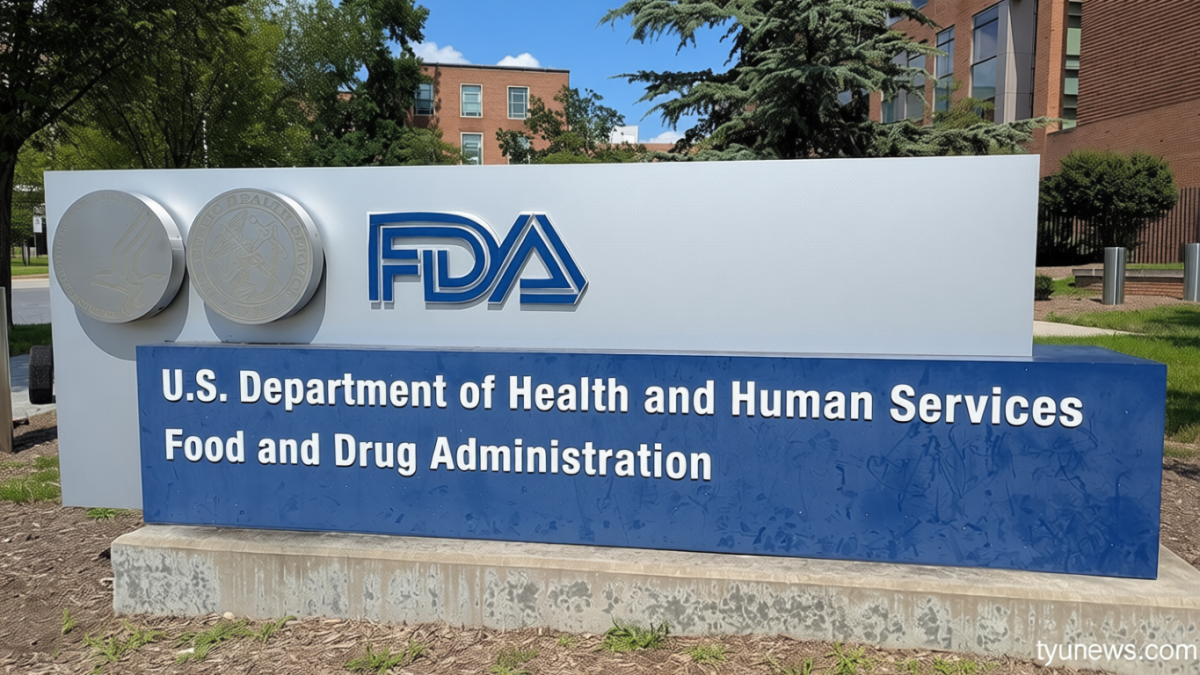
FDA Advisory Committee Votes to Add BPC-157 to Compounding List
Tyunews.com – The FDA advisory committee votes to add BPC-157, a widely recognized peptide, to the official drug compounding list following a decisive 8-6 vote on Thursday. This significant development brings the popular peptide one step closer to legal availability for Americans who have a prescription. The Pharmacy Compounding Advisory Committee (PCAC) cast their votes with one member abstaining, marking an important milestone in peptide regulation. While this vote represents progress, it remains non-binding and still requires final approval from the FDA before becoming official policy.
Understanding the Regulatory Process
This decision represents the first of seven peptides currently under committee review. Additional discussions and votes are expected to continue through Thursday and Friday as the committee works through its comprehensive agenda. The committee is considering an atypical regulatory pathway that would allow these substances to be compounded rather than requiring them to navigate the full, rigorous FDA approval process typically reserved for pharmaceutical drugs. This alternative approach could potentially accelerate access to these therapeutic compounds for patients who might benefit from them.
During the meeting, FDA staff scientists highlighted a general lack of quality data supporting safety and effectiveness for many of these peptides. The committee members who voted yes generally believed the risks to be minimal, while those who voted no tended to worry about safety risks and effectiveness. They also expressed concern that adding the peptide to the compounding list would create a false impression that it has been evaluated with the same rigorous standards as an FDA-approved drug.
BPC-157: Benefits and Market Status
BPC-157 has been touted online as a way to promote gut and tissue healing, though human clinical trial data remains limited.
There is very little human clinical trial data to support the effectiveness or safety of BPC-157 and other popular peptides. Most of the studies done so far have been conducted in rodents, and results from animal studies don’t always hold up when larger studies are performed in people. Despite this limitation, the peptide has gained considerable attention online, with influencers suggesting it can help build muscle, improve metabolism, and support various healing processes.
Many popular peptides are currently only available on the black and grey market, making this potential FDA approval particularly significant. Peptides are strings of amino acids, which are smaller than a protein, and they have exploded in popularity online in recent years. The committee’s decision could help bring these compounds into a more regulated framework, potentially improving quality control and consumer access.
Health and Human Services Secretary Robert F. Kennedy Jr. has promoted the use of peptides, adding political weight to the discussion. However, HHS has faced criticism that many of the newly appointed members to the PCAC have financial conflicts of interest. This potential conflict has raised questions about the independence of the committee’s decision-making process and whether financial relationships might influence voting patterns.
The vote represents a balancing act between providing patient access to potentially beneficial compounds while maintaining appropriate safety standards. As this story develops, stakeholders will be watching closely to see how the FDA responds to the committee’s recommendation and what additional steps might be taken to ensure proper oversight of these emerging therapeutic options.
Please check back for updates as this developing story continues to unfold. The outcome of this regulatory decision could have far-reaching implications for both patients seeking peptide therapies and the broader pharmaceutical industry.