Military Services Reinstating Flu Shot Mandate Amid Air Force Outbreak
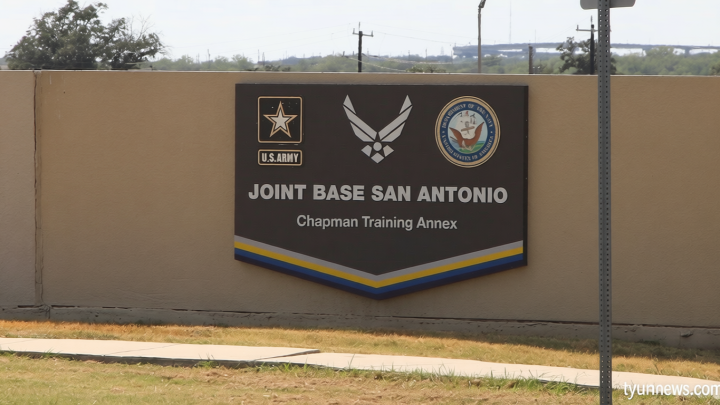
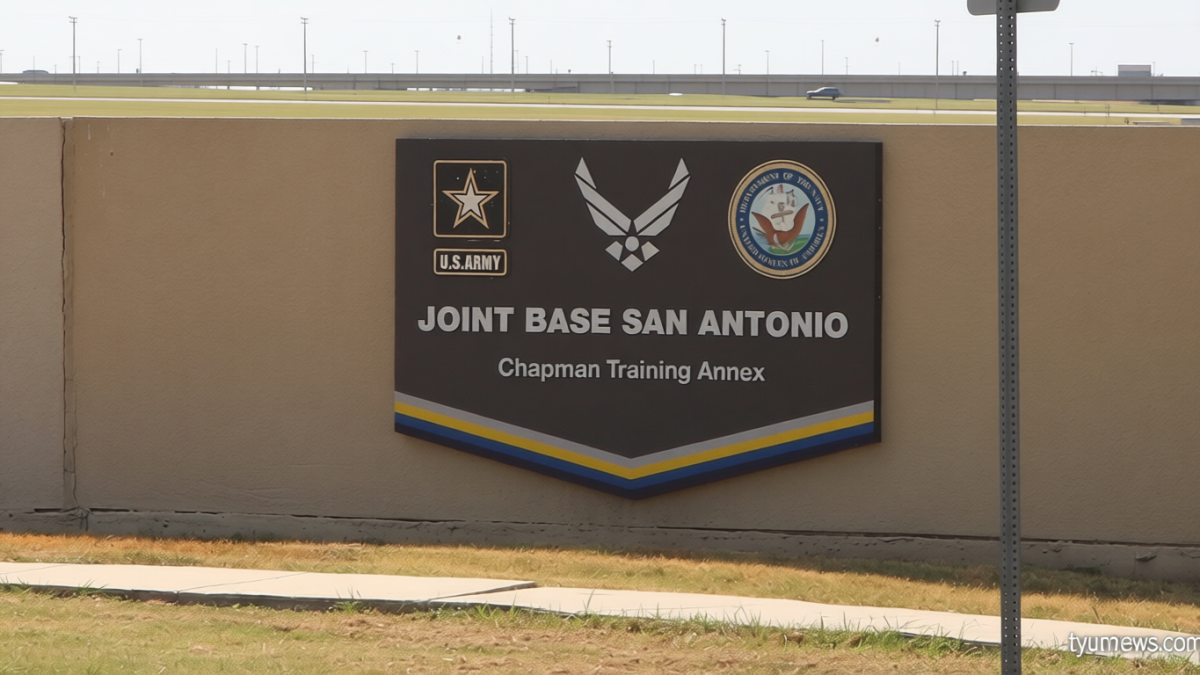
Tyunews.com – Military services again requiring recruits to get flu shots has become a critical measure following a growing influenza outbreak at the Air Force’s training base in San Antonio. As of Tuesday, over 222 recruits at Lackland Air Force Base—part of Joint Base San Antonio—have tested positive for the flu, with four requiring hospitalization, according to two informed sources. This marks a sharp increase from last week’s 159 confirmed cases and two hospitalizations. The death of one recruit is still under investigation, though officials have not yet determined if the flu outbreak was directly responsible, the sources noted.
Flu Outbreak and Policy Reversal
The surge in flu cases has prompted the Army, Navy, and Air Force to reintroduce mandatory vaccination protocols for recruits, reversing a decision made by Defense Secretary Pete Hegseth in April. At that time, Hegseth removed the flu shot requirement for all military personnel, allowing individuals to opt out based on personal choice. The policy change was intended to promote voluntary compliance, but the rapid spread of the virus in close-quarters training environments has led to a renewed emphasis on vaccination as a public health necessity.
With the Air Force reporting the highest number of cases, officials are now prioritizing flu shots for new recruits to mitigate the risk of widespread illness. The decision reflects growing concerns about the impact of the outbreak on military readiness, as basic training programs rely on consistent participation and physical stamina. The Pentagon has also expanded exceptions to the policy, ensuring that recruits in high-risk settings—such as those interacting with vulnerable populations or engaged in critical operations—are required to receive the vaccine.
Health Risks in Training Environments
Basic training conditions, characterized by shared living spaces and frequent close contact, create an ideal environment for contagious diseases like influenza to spread rapidly. Recruits often live in bays with multiple individuals, use communal facilities, and participate in intensive drills, all of which heighten the likelihood of transmission. Additionally, the physical and mental demands of training can weaken immune systems, making recruits more susceptible to infections during this crucial phase of their service.
The current flu outbreak underscores the importance of vaccination in maintaining operational efficiency. With nearly 40% of new recruits at Joint Base San Antonio unvaccinated when the crisis began, the Air Force has intensified efforts to ensure full compliance. Health officials emphasize that influenza can lead to severe complications, including pneumonia, which may require extended medical leave or even result in fatalities. The situation has also raised questions about the adequacy of pre-enlistment health screenings, which rely heavily on self-reported information and limited clinical assessments.
Policy Adjustments and Broader Implications
In response to the outbreak, the military services have adjusted their policies to align with the urgency of the situation. While the flu shot mandate was initially suspended for all personnel, it is now being reinstated for recruits in basic training and those in specific high-risk roles. The Army is also considering extending the requirement to individuals deployed overseas, first responders, and those working in child care, healthcare, and prison facilities. These adjustments aim to protect both recruits and the broader community from the ripple effects of the virus.
Officials have acknowledged that the decision to mandate flu shots for recruits is a strategic move to safeguard military readiness. With the potential for a large-scale outbreak, the focus has shifted from personal choice to collective health. The Pentagon has also emphasized the importance of vaccinations in preventing not only the flu but also other preventable diseases that could strain medical resources during peak training seasons. This shift highlights the evolving priorities of the military in balancing individual autonomy with public health imperatives.
“The military services again requiring recruits to get flu shots is a necessary step to protect our personnel and ensure they can perform their duties without interruption,” stated a Pentagon spokesperson. “This outbreak has shown how quickly a preventable illness can disrupt training and compromise readiness.”