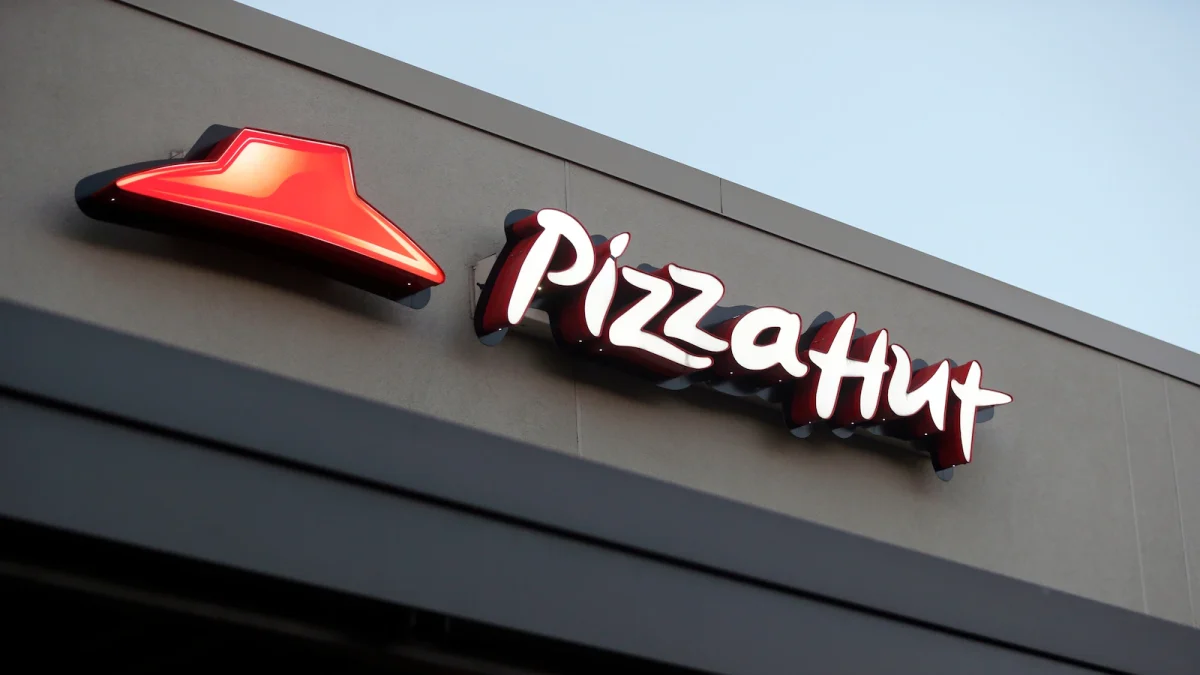
Yum Brands to Sell Struggling Pizza Hut Chain for $2.7 Billion
Tyunews.com – Yum Brands, the global fast-food company that owns Pizza Hut, KFC, and Taco Bell, has finalized a $2.7 billion deal to sell its struggling Pizza Hut restaurant chain. This major transaction marks a strategic shift for the conglomerate, which has long sought to streamline its operations and refocus on its more profitable brands. The sale is structured as two separate agreements: one with the private equity firm LongRange Capital, which will acquire Pizza Hut’s international operations, and another with Yum China Holdings Inc., which will take over the brand’s domestic Chinese market. The announcement came on Tuesday, with both deals anticipated to conclude by the end of the third quarter, signaling a pivotal moment in the brand’s history.
Why Pizza Hut Struggled: A Look at Its Challenges
Pizza Hut, originally founded in 1958 in Wichita, Kansas, has long been a cornerstone of Yum Brands’ portfolio. However, over the past decade, the brand has faced mounting challenges in a rapidly evolving restaurant landscape. While Yum Brands maintained a presence in the U.S. and global markets, Pizza Hut’s operations began to lag, particularly in regions where competition from chains like Domino’s and PizzaExpress intensified. Declining foot traffic, outdated store formats, and inconsistent brand performance contributed to its struggles. Despite numerous attempts to modernize its menu and customer experience, Pizza Hut failed to regain its former momentum, leading to a decision to divest the struggling chain.
The sale reflects Yum Brands’ efforts to prioritize growth in its core franchises, such as KFC and Taco Bell, which have seen steady performance. Analysts have noted that Pizza Hut’s inability to adapt to shifting consumer preferences—such as demand for healthier options and digital ordering—further exacerbated its decline. “The struggling Pizza Hut chain has been a drag on Yum’s overall growth,” said industry expert Neil Saunders. “Its challenges highlight the need for focused investment and operational agility in the fast-casual dining sector.”
Strategic Divestiture: What This Means for Yum Brands
The $2.7 billion sale is expected to free up capital for Yum Brands, allowing it to invest more heavily in its other brands and explore new opportunities. LongRange Capital, a firm with experience in revitalizing underperforming restaurants, will take ownership of Pizza Hut’s operations outside of China, while Yum China Holdings Inc. will manage the brand’s presence in the world’s largest food market. This split aims to leverage regional expertise, with Yum China bringing its deep knowledge of the Asian market to enhance Pizza Hut’s appeal in China.
According to Yum Brands CEO Chris Turner, the decision to sell the struggling Pizza Hut chain is part of a broader strategy to strengthen the company’s competitive edge. “The struggling Pizza Hut chain will benefit from new ownership that can drive innovation and improve profitability,” Turner stated in a press release. The move also aligns with Yum Brands’ long-term goal of focusing on brands with stronger growth potential and better margins. By divesting Pizza Hut, Yum Brands hopes to address long-standing issues and position the brand for a potential comeback under its new owners.
Market Reaction and Investor Sentiment
The announcement of the sale initially sparked mixed reactions in the market. While some investors viewed the transaction as a logical step to improve Yum Brands’ financial health, others expressed concern about the implications for Pizza Hut’s future. Shares of Yum Brands dipped slightly before the market opened, reflecting cautious optimism among traders. However, analysts believe the sale could ultimately lead to a more focused and effective management strategy for the struggling Pizza Hut chain.
Experts also highlighted the importance of retaining brand identity during the transition. “Maintaining the Pizza Hut name while allowing new owners to implement tailored strategies is crucial,” said a spokesperson from the National Restaurant Association. The deal underscores the need for a fresh approach to revitalize the struggling Pizza Hut chain, which has struggled to keep pace with the fast-evolving pizza market. With the sale, Yum Brands is signaling its commitment to prioritizing brands that align with its current growth objectives and market positioning.
Future Outlook for Pizza Hut and the Restaurant Industry
As the struggling Pizza Hut chain transitions to new ownership, there is hope that its fortunes will improve. LongRange Capital and Yum China are expected to introduce modernized concepts, enhanced marketing, and improved operational efficiencies to turn around the brand’s performance. The potential for Pizza Hut to regain its competitive edge will depend on its ability to address key challenges, such as customer retention and profitability in high-cost markets.
Industry observers are closely watching the sale, as it could set a precedent for other struggling fast-food brands. The struggling Pizza Hut chain’s journey from a once-dominant player to a divested asset highlights the shifting dynamics of the restaurant industry. With digital transformation and consumer preferences evolving rapidly, brands that fail to adapt risk being left behind. The success of the struggling Pizza Hut chain in its new ownership will be a test case for how effectively underperforming brands can be revitalized in today’s competitive landscape.