Pentagon Bars Journalists from Press Office, Calling It a ‘Classified Space’
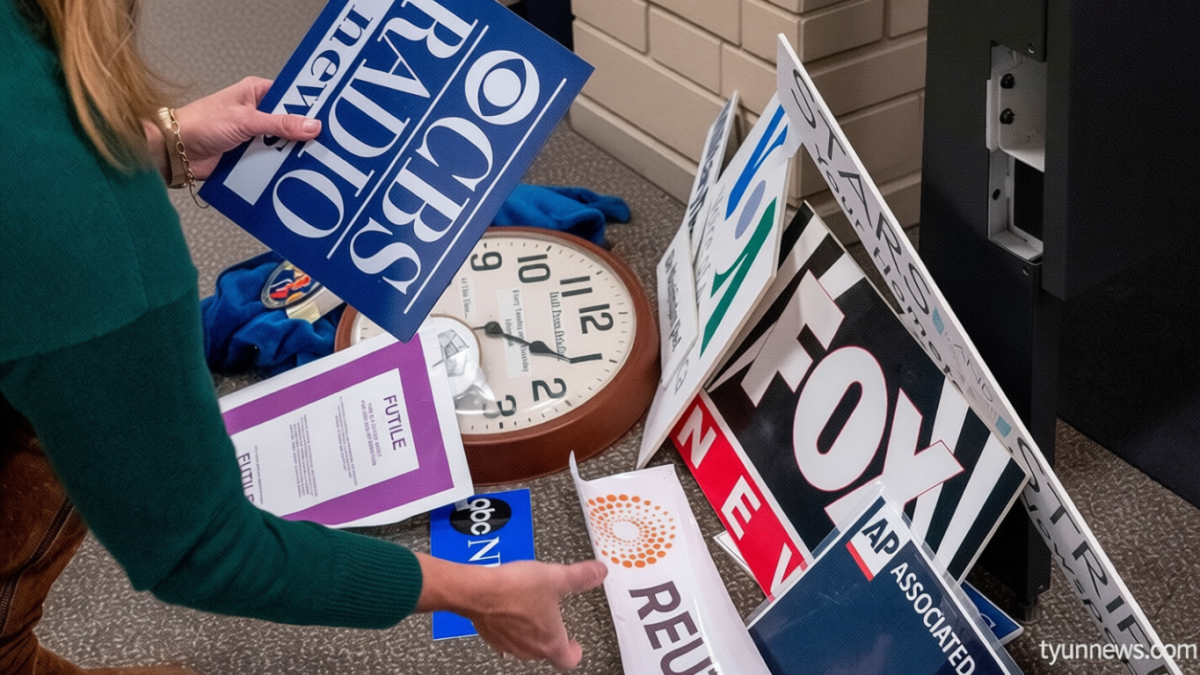
Tyunews.com – In a recent development, the U.S. Department of Defense has implemented a new policy restricting media access to its press office, designating it as a classified area. This move marks yet another step in the ongoing effort to limit journalists’ ability to freely interact with officials within the building. The action was confirmed by Joel Valdez, acting Pentagon press secretary, who stated that the press office’s transformation into a secure zone was necessary due to the presence of speechwriters handling sensitive information. According to Valdez, the change is not controversial and reflects the evolving nature of the office’s operations.
“The Pentagon Press Office has been redesignated as a Sensitive Compartmented Information Facility due to speechwriters from the Office of the Secretary of War sharing the facility,” Valdez wrote. “These speechwriters routinely handle classified material … as a result, journalists will no longer be permitted to enter the office space. There’s nothing controversial about that.”
The decision follows months of escalating friction between the U.S. media and the second Trump administration, which has increasingly sought to control the flow of information from the Pentagon. This tension has played out in both public discourse and legal battles, with journalists and media organizations pushing back against what they view as an encroachment on their freedom to report. The Washington Post first reported the reclassification, highlighting its implications for press access and transparency. Now, with the press office officially off-limits to journalists, the situation represents a significant shift in how the military communicates with the media.
A History of Restricted Access
For years, Pentagon reporters were granted access badges that allowed them to move freely throughout the building, facilitating their work with press officials. However, this autonomy began to erode in October of last year, when most news outlets opted to surrender their credentials rather than comply with new restrictions. The move was part of a broader effort by the Defense Department to limit journalists’ movement, which has since expanded to include the press office itself. The New York Times, in particular, has taken a firm stance against these changes, escalating its legal challenges to the Pentagon’s policies.
In May, the New York Times filed a second lawsuit against the Defense Department, this time arguing that requiring journalists to be escorted at all times within the Pentagon violates the First Amendment. The suit followed an earlier legal action in December, which targeted new rules imposed by Defense Secretary Pete Hegseth. The Times contended that the interim policy—introduced after a federal judge ruled in its favor in the original case—was an unconstitutional attempt to suppress independent reporting on military affairs. The department’s decision to reclassify the press office now appears to be the latest in a series of measures aimed at tightening control over media interactions.
The Legal Backdrop
The current restrictions trace their roots to a March ruling by U.S. District Court Judge Paul L. Friedman, who had previously struck down earlier policies limiting media access. At the time, the judge’s order was seen as a victory for journalists, allowing them to move more freely within the Pentagon. However, the administration quickly introduced an interim policy that required journalists to be accompanied by government escorts at all times. This policy was implemented in March, despite the initial ruling, and sparked further legal disputes.
Just weeks later, the same judge ruled that the interim policy violated his March order, effectively reinstating some previous limitations. Nonetheless, the escort requirement remained in place when an appeals court temporarily stayed part of Friedman’s decision, allowing the government to continue enforcing the policy while the case was reviewed. This legal back-and-forth underscores the complexity of the issue, with the Pentagon defending its actions as essential for national security, while media groups argue they undermine the press’s ability to function independently.
The New York Times’ latest lawsuit highlights the ongoing battle over media access. The legal team claims that the escort policy not only hampers journalists’ ability to report on military matters but also imposes an unnecessary burden on their work. “This requirement is an unconstitutional attempt by the Pentagon to prevent independent reporting on military affairs,” the paper stated in its filing. The lawsuit further argues that the policy’s implementation was rushed, with the Defense Department hastily reestablishing controls after a federal judge had initially favored the media in a previous dispute.
Broader Implications for Press Freedom
The Pentagon’s move to bar journalists from its press office raises questions about the broader implications for media freedom. Critics argue that the department’s actions reflect a pattern of restricting access to key sources of information, particularly during politically charged periods. The press office has long been a critical hub for military communication, where journalists have obtained briefings, interviews, and insights into defense operations. By transforming it into a classified space, the Pentagon may be limiting the ability of reporters to engage with officials without prior approval.
Supporters of the policy, however, emphasize the need for enhanced security measures. They contend that the press office, now housing speechwriters who work with classified materials, has become a potential vulnerability. The department’s justification for the change aligns with recent efforts to fortify internal protocols, particularly in the wake of global tensions and domestic security concerns. Valdez’s statement reinforces this perspective, noting that the press office’s new status is a direct response to the handling of sensitive information by personnel within its walls.
Context Within a Larger Narrative
This latest decision comes at a time when the relationship between the U.S. media and the Trump administration has grown increasingly contentious. The administration’s approach to press access has been marked by a series of measures that critics argue stifle free speech. From requiring journalists to obtain additional clearances to limiting their movement within the Pentagon, these steps have been met with resistance from media outlets seeking greater transparency.
The New York Times’ legal actions exemplify this conflict. The newspaper’s lawsuit in May was part of a larger effort to challenge the Pentagon’s restrictions, which have been imposed under the current leadership. The department’s new policy, which mandates constant escorting, is viewed as a direct attempt to monitor and control the flow of information. This aligns with previous strategies, such as the requirement for journalists to wear identification tags and submit to background checks, which have been criticized for creating an environment of heightened surveillance.
As the appeals process continues, the fate of the press office’s classification remains uncertain. The decision could set a precedent for future restrictions, potentially reshaping how journalists engage with the military. For now, the Pentagon’s move underscores the administration’s commitment to maintaining control over its messaging, even as it risks alienating the press. The ongoing legal battles and policy shifts highlight a growing divide between the military and the media, with each side advocating for its own vision of transparency and security.