Iran Live Updates: IRGC Claims Airbase Attack Following U.S. Self-Defense Strikes
Escalating Tensions in the Persian Gulf
Tyunews.com – Following U.S. self-defense strikes on Iranian targets, the Islamic Revolutionary Guard Corps (IRGC) announced responsibility for an attack on a key airbase, intensifying regional tensions. The U.S. military, in collaboration with Israeli forces, launched coordinated strikes targeting military installations and infrastructure, aiming to disrupt Iran’s strategic operations. These actions were taken amid growing concerns over Iran’s nuclear ambitions and its support for groups like Hezbollah, which have been active in conflicts across the Middle East.
The attacks sparked immediate reactions from Iran and its allies. The IRGC emphasized that the airbase strike was a proportional response to the U.S. aggression, framing it as a necessary step to protect national interests. Analysts noted that the operation was not only a tactical move but also a symbolic assertion of Iran’s military capability. While the U.S. declared a two-week ceasefire, the conflict’s momentum suggested that the truce might not last, especially with ongoing diplomatic talks in Pakistan failing to produce immediate results.
IRGC’s Strategic Move and Regional Impact
The airbase strike, according to the IRGC, targeted the facility’s command center, significantly hampering U.S. operations in the area. This action was described as a demonstration of Iran’s readiness to counter Western military pressure. The IRGC’s statement underscored its commitment to defending Iran’s sovereignty, highlighting the group’s role as both a military and political force. The attack also raised questions about the broader implications for the region, as neighboring countries like Saudi Arabia and Iraq watched developments closely.
Experts suggest the strike was designed to test the resilience of U.S. military assets and send a message to both allies and adversaries. The IRGC’s claim to the attack aligns with its history of using targeted strikes to signal resolve. Meanwhile, the U.S. remained focused on its economic sanctions, which continue to strain Iran’s economy even as diplomatic channels stay open. The situation remains fluid, with both sides preparing for potential next steps in the ongoing conflict.
“Iran’s ability to strike back proves its strategic importance in the region, and the U.S. must recognize this in its approach,” stated a regional analyst during a recent Iran live updates briefing.
International Reactions and Diplomatic Outlook
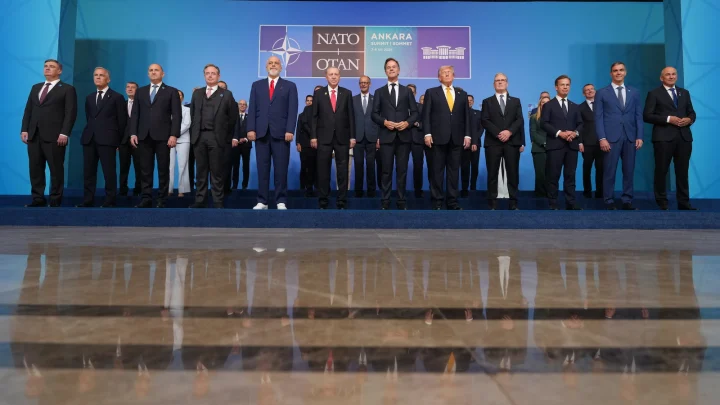
Global powers reacted differently to the airbase attack. NATO allies like Germany and France urged caution, warning against further escalation. In contrast, Russia and China supported Iran’s actions, calling them a legitimate defense against Western aggression. The attack also intensified discussions among international observers about the balance of power in the Middle East and the role of proxy forces in regional conflicts. As Iran live updates continue to evolve, the focus remains on how these actions will shape future diplomatic and military strategies.
The IRGC’s involvement in the attack underscores its growing influence within Iran’s military and political landscape. While the U.S. has maintained its economic pressure, the airbase strike may encourage renewed diplomatic efforts to prevent a wider war. Analysts suggest that the conflict’s trajectory could depend on whether both sides are willing to compromise, especially as tensions rise and the risk of miscalculation increases. Iran live updates will be crucial in tracking these developments and their impact on the region.
“Iran’s strategic moves are a response to a perceived threat, but they also show a willingness to engage in dialogue if the right conditions are met,” said a U.S. defense official during a recent press conference on Iran live updates.