DHS says most immigrants won’t need to leave US to obtain green card
Tyunews.com – On Friday, the Department of Homeland Security (DHS) addressed concerns about a recent policy change that has sparked debate among immigration advocates. The agency stated that the directive issued by U.S. Citizenship and Immigration Services (USCIS) last week would not prevent qualified individuals from securing a green card, despite requiring most temporary visa holders to return to their home countries for the process. This clarification comes amid fears that the policy could disrupt the path to permanent residency for hundreds of thousands of people.
Policy Shift Sparks Debate
Last week, USCIS rolled out a sweeping policy directive that mandates most temporary visa holders and humanitarian parolees to leave the United States to complete their green card applications. The move was presented as a streamlined approach, but immigration lawyers and advocates have raised alarms about its potential consequences. According to the directive, foreign nationals with pending applications filed within the U.S. would now need to apply for their green cards abroad, a shift that could create logistical hurdles and extend processing times.
“The new policy will result in some aliens who do not merit the discretionary benefit ultimately applying with the Department of State overseas rather than USCIS in the United States,” stated a DHS spokesperson in a recent statement. The agency emphasized that this change would not block anyone who “legitimately and properly qualify” from obtaining a green card, though critics argue the phrasing could be misleading.
Immigration advocates, however, warned that the directive’s broad language might lead to unintended consequences. They pointed out that the policy could affect not only temporary workers but also individuals in humanitarian programs, such as those granted parole under the Trump administration’s immigration crackdown. The memo, issued on May 22, instructed USCIS officers to classify U.S.-based adjustment of status applications as an “extraordinary form of relief,” effectively elevating the standard for approval.
Clarifying the Policy’s Scope
While the policy introduces new requirements, the DHS clarified that existing green card holders would remain unaffected. These individuals can continue to live and travel freely in the U.S. without any changes to their status. The agency also noted that the directive does not apply to all green card applicants, but rather targets those whose cases are pending under the current system.
The shift has raised questions about the fairness of the policy, particularly for immigrants who have been in the U.S. for years. Advocates argue that the directive, if implemented fully, could force thousands of people to abandon their green card applications or face delays while navigating the complex process abroad. For example, temporary work visa holders such as H-1B or L-1 participants, who often rely on the U.S. system to transition to permanent residency, may find themselves in a precarious position.
One of the primary concerns is the impact on humanitarian parolees, who are granted temporary entry to the U.S. for specific purposes like family reunification or medical treatment. Critics say the policy could leave these individuals without a clear pathway to permanent status, especially if their applications are denied or delayed. “This directive creates an unnecessary barrier for people who are already contributing to the U.S. economy and society,” said an immigration lawyer in a recent interview.
Policy Memo and Its Implications
The policy memo, released on May 22, is part of the Trump administration’s ongoing efforts to tighten immigration rules. It instructs USCIS officers to treat adjustment of status applications as an “extraordinary form of relief,” a term that typically applies to cases with exceptional circumstances. By reclassifying these applications, the policy may reduce the number of approvals, pushing more individuals to apply through the Department of State in their home countries.
This approach could have far-reaching effects. For instance, immigrants who are in the U.S. on temporary visas, such as those under the Optional Practical Training (OPT) program or the H-4 visa, may face additional scrutiny when applying for green cards. The directive also raises concerns about the potential for delays, as applicants would need to return to their home countries for interviews and documentation, which can take months to complete.
Despite these challenges, the DHS defended the policy as a necessary measure to ensure the integrity of the green card process. “The goal is to prevent fraudulent applications and streamline the review of legitimate cases,” said the agency in a statement. However, advocates counter that the policy’s blanket nature could lead to the exclusion of otherwise qualified individuals, particularly those in low-income or high-risk categories.
As the policy takes effect, immigration lawyers are preparing to challenge its implementation. They argue that the directive’s language is vague and could be interpreted in ways that disadvantage vulnerable populations. “We’re already seeing cases where applicants are being denied without clear justification,” noted a legal expert in a recent analysis. The policy’s long-term impact remains to be seen, but its immediate effects could disrupt the lives of many immigrants who have built careers, families, and communities in the U.S.
Meanwhile, the related Trump administration directive has reignited discussions about immigration reform. The policy is part of a broader strategy to reduce the number of green card applications filed within the U.S., favoring those who apply through consular processing abroad. Critics say this could slow down the naturalization process and make it harder for immigrants to secure permanent status. However, supporters of the policy argue that it ensures a more transparent and merit-based system, reducing the risk of abuse.
As the debate continues, the DHS has reiterated its commitment to supporting qualified immigrants. The agency’s statement emphasized that the directive is not a permanent change but a temporary adjustment aimed at improving efficiency. For now, the policy remains in place, with USCIS and the Department of State working to implement the new requirements. The coming months will determine whether this shift will create a lasting impact on the U.S. immigration system.
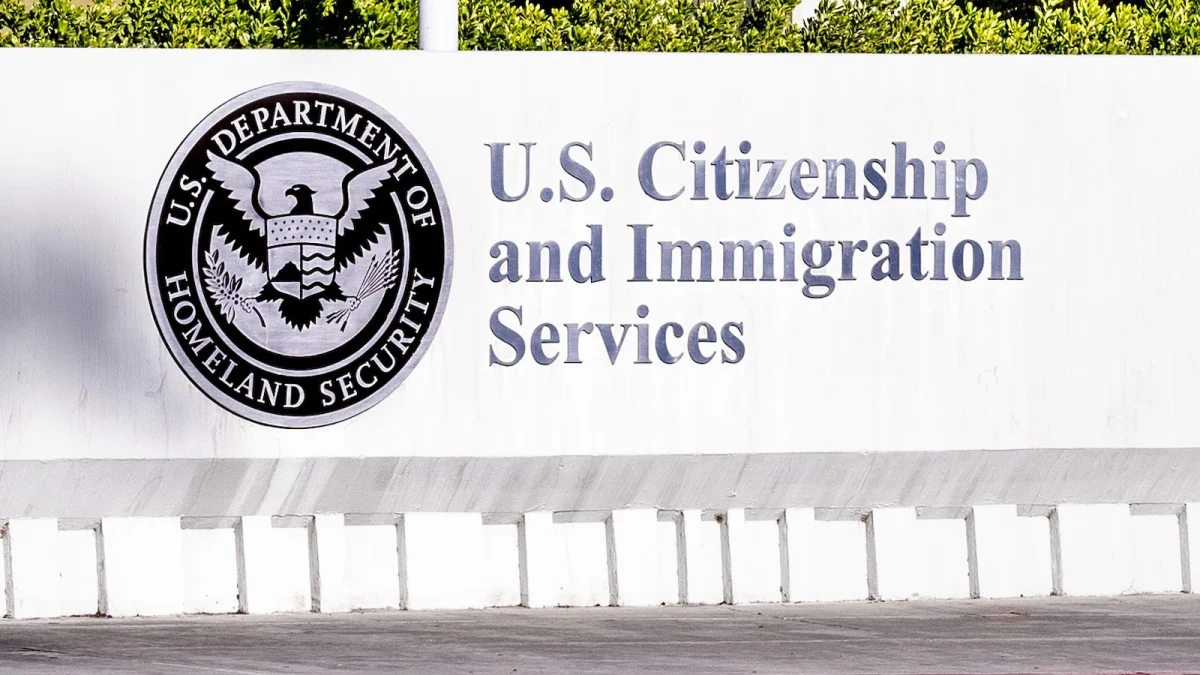
Featured in this report is a file photo from November 24, 2019, depicting a USCIS office in Santa Clara, California, highlighting the agency’s role in processing green card applications. While the image captures the daily operations of the USCIS, it also serves as a reminder of the challenges facing applicants under the new rules. The photograph, taken by Getty Images, underscores the importance of the agency in facilitating immigration pathways.
Broader Context of Immigration Changes
The policy directive is part of a larger trend of immigration reforms under the Trump administration, which has sought to prioritize faster processing of applications filed abroad. This approach aligns with the administration’s goal of reducing the number of green cards issued through the U.S. system, potentially shifting focus toward those who meet stricter criteria. Critics, however, argue that this could penalize immigrants who have been in the U.S. for years, forcing them to navigate a more complicated process overseas.
As the policy takes effect, the Department of Homeland Security has urged immigrants to remain patient. The agency emphasized that the directive is designed to ensure that only those who meet the most stringent requirements will proceed with green card applications in the U.S., while others will