Diesel prices at record highs amid Strait of Hormuz disruption, Russia-Ukraine war

Daftar Isi
Diesel Prices at Record Highs Pressure U.S. Consumers and Businesses
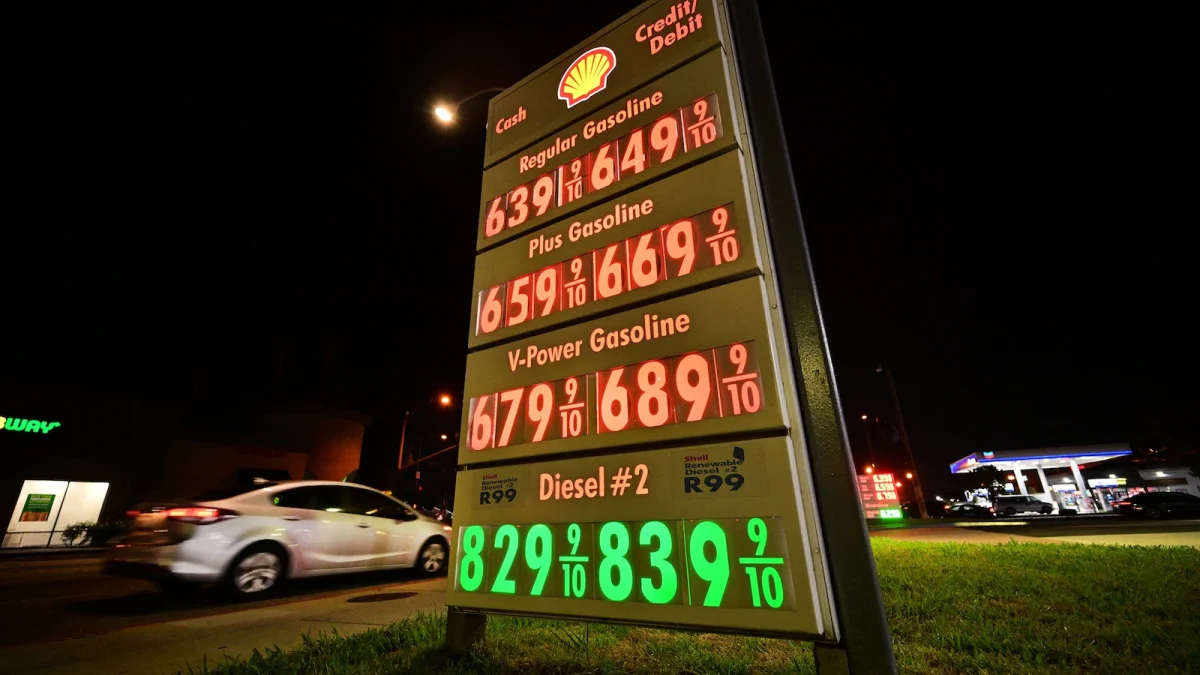
Tyunews.com – Diesel prices at record highs are adding strain to household budgets, freight operators and businesses across the United States. GasBuddy data showed the national average at $6.43 per gallon Friday, near the record reached during the recent market disruption.
The increase comes as energy markets confront disruption to shipping and fuel flows through the Strait of Hormuz following the U.S.-Israeli attack on Iran in February. Russia’s war in Ukraine has also continued to affect petroleum markets, including through increasingly frequent long-range Ukrainian strikes on Russian oil facilities.
Diesel is essential to much more than passenger transportation. Freight trucks, farm equipment, construction machinery, trains and commercial fleets all depend on the fuel, meaning higher prices can ripple through much of the economy.
Higher Transportation Costs Can Raise Everyday Prices
When diesel costs climb, moving food, retail goods, building materials and other products becomes more expensive. Businesses may absorb some of those costs, but sustained increases can eventually be reflected in the prices consumers pay.
Delivery companies, logistics firms, shipping operators and local service businesses may also face higher operating expenses. The amount passed along to customers differs by company and region, but elevated fuel costs make it harder to control budgets.
Gasoline prices have risen as well. The national average for regular gasoline stood at $4.47 per gallon Friday, up $1.53 from the start of the U.S. war with Iran. While gasoline and diesel have separate demand and refining patterns, both are affected by major swings in crude oil markets.
Heating Oil Users Face a More Expensive Winter
Record-high diesel costs matter especially to households that use heating oil, a closely related refined petroleum product. The nonprofit National Energy Assistance Directors Association projected that households relying on heating oil could see winter heating bills more than 31% higher than a year earlier.
The group also estimated that overall winter heating costs could rise by more than 8.7% this year for households using a range of energy sources. Cold weather can make those increases particularly difficult for families with limited room in their budgets.
Local fuel prices may not match national averages. Taxes, transportation expenses, regional supply conditions and competition among retailers or heating-oil suppliers can all influence what consumers pay.
Oil Prices Remain Above $100 Per Barrel
Crude oil prices edged lower Friday but remained above $100 per barrel. Brent crude traded near $103 after falling roughly 1.3%, while West Texas Intermediate was around $102, down about 0.4%.
A drop in crude prices does not always translate immediately into lower prices at the pump or for fuel deliveries. Retail fuel costs also reflect refining, distribution, taxes and station operating expenses.
The Strait of Hormuz remains a critical route for global energy shipments, so disruption there can affect markets far beyond the region. Risks to Russian oil infrastructure add further uncertainty to the global supply outlook.
FAQ: What High Diesel Prices Mean in the United States
Why are diesel prices so high?
Diesel prices have been pushed higher by concerns about global oil supplies, disruptions involving the Strait of Hormuz and continuing effects of the Russia-Ukraine war on petroleum markets.
Will higher diesel prices affect grocery and delivery costs?
They can. Many goods are transported by diesel-powered trucks, so sustained increases in fuel costs may raise expenses for retailers, producers and delivery services.
Can consumers expect diesel prices to fall quickly if oil declines?
Not necessarily. Pump prices and heating-oil delivery costs may take time to respond because crude oil is only one part of the final price paid by consumers.