Trump Praises Inflation Amid Iran War Escalation
Tyunews.com – President Donald Trump has publicly expressed enthusiasm for the rising inflation, declaring, “I love the inflation,” following the release of data showing the fastest price increases since 2023. The latest report revealed a 4% surge in consumer prices for the third consecutive month, coinciding with the intensifying Iran-Israel conflict in May. This increase aligns with economists’ projections, as the Bureau of Labor Statistics reported an annual inflation rate of 4.2%, a 0.5% rise from the prior month. Energy costs have been a major driver, with oil prices surging 23.5% year-over-year and gasoline hitting $4.15 per gallon, reflecting a nearly 40% jump since the war began on February 28.
White House Response to Inflation Claims
Trump, speaking from the Oval Office on Wednesday, defended the inflationary trend, stating, “No, I love it. The numbers were great.” He attributed the price increases to temporary market disruptions and argued that resolving the Middle East conflict would soon stabilize costs. “You know what I really love? I love the inflation,” he reiterated, suggesting that the war’s resolution would lead to a drop in energy prices. The White House spokesperson, Kush Desai, echoed this sentiment, framing the report as a testament to the administration’s success in keeping key consumer goods affordable.
“Americans are struggling with high prices and are voicing frustration regularly,” said Janelle Jones, a senior fellow at the Groundwork Collaborative, during an interview with ABC News. “The inflation rate is a clear indicator of the challenges we’re facing.”
Iran War Impact on Global Energy Markets
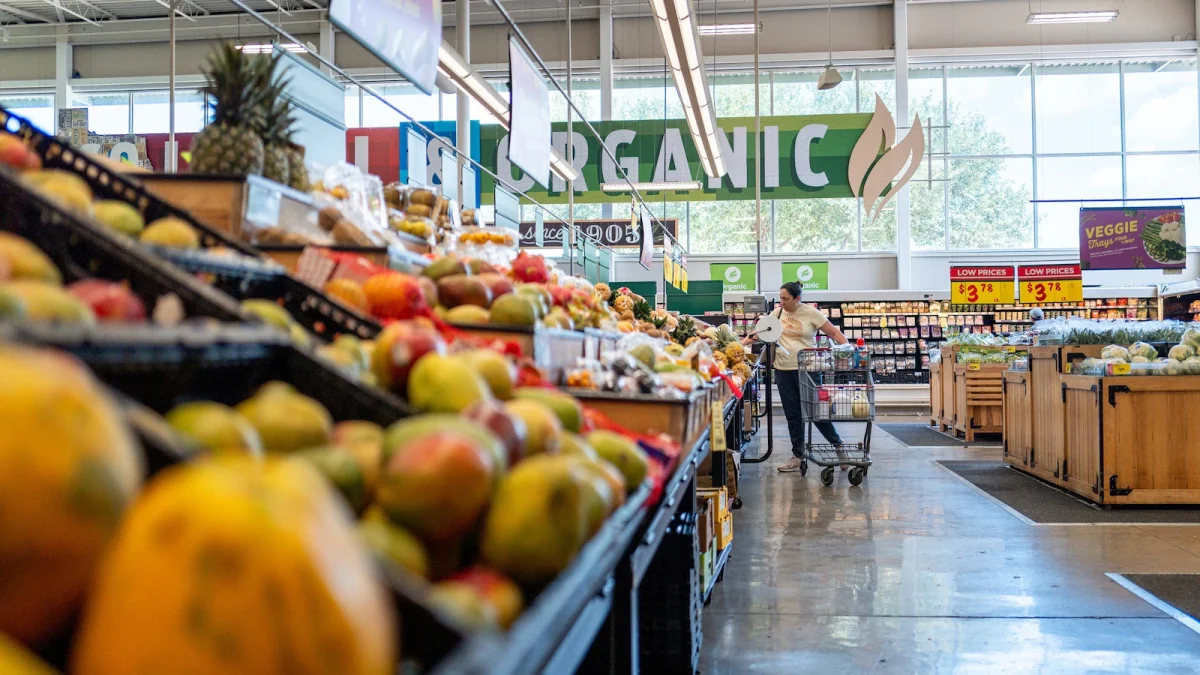
The ongoing Iran-Israel conflict has significantly disrupted the Strait of Hormuz, a vital artery for approximately 20% of the world’s oil supply. This bottleneck has triggered one of the most severe oil shocks in modern history, driving up fuel prices and exacerbating inflation. Diesel costs, in particular, have skyrocketed, affecting transportation networks and, by extension, the food supply chain. As a result, grocery prices have risen sharply, with tomatoes, seafood, and beef increasing by 32%, 6.5%, and nearly 13% over the past year. These surges have placed additional strain on household budgets, especially for low-income families.
Trump’s administration has pointed to the export of millions of oil barrels from the region as a positive factor, arguing that increased production will mitigate price pressures. However, critics argue that the war’s geopolitical consequences are overshadowing short-term supply adjustments. “The inflationary pressure isn’t just about energy—it’s a broader economic challenge,” noted economic analyst Michael Carter. “The war has created uncertainty that’s affecting consumer confidence and long-term planning.”
Inflation Outpaces Wages, Deepening Economic Strain
Despite the administration’s optimistic stance, inflation continues to outpace wage growth, eroding the purchasing power of many Americans. For the second consecutive month, core inflation has exceeded wage increases, creating a growing divide between income and expenses. This trend has intensified concerns about the impact on middle- and lower-income households, which are most vulnerable to rising costs. The University of Michigan’s latest consumer sentiment survey also highlighted a record low in May, signaling widespread economic anxiety.
Analysts warn that sustained inflation could force the Federal Reserve to raise interest rates, which might slow economic growth. “The war is a temporary factor, but inflation is becoming a persistent issue,” said David Lee, an economist at the American Enterprise Institute. “If prices keep rising, we’ll see a shift in consumer behavior and reduced spending, which could lead to a recession.” Trump, however, remains confident, asserting that the war’s resolution will restore price stability and benefit consumers.
Trump says I love the inflation, a phrase that has sparked both support and skepticism. While some supporters argue that the current inflation is a sign of economic strength, others criticize the administration for failing to address underlying causes. The remarks have also drawn attention to the broader debate over whether inflation is a necessary evil for growth or a detrimental force. As the conflict continues, the question remains: Will Trump’s optimism prove prescient, or will the economic fallout become more pronounced?